







Every runner knows the feeling. You finish a long run, peel off your running shoes, and your feet are screaming for relief. The pavement has taken its toll. Your muscles ache. Your arches throb.
This is where recovery shoes step in—literally.
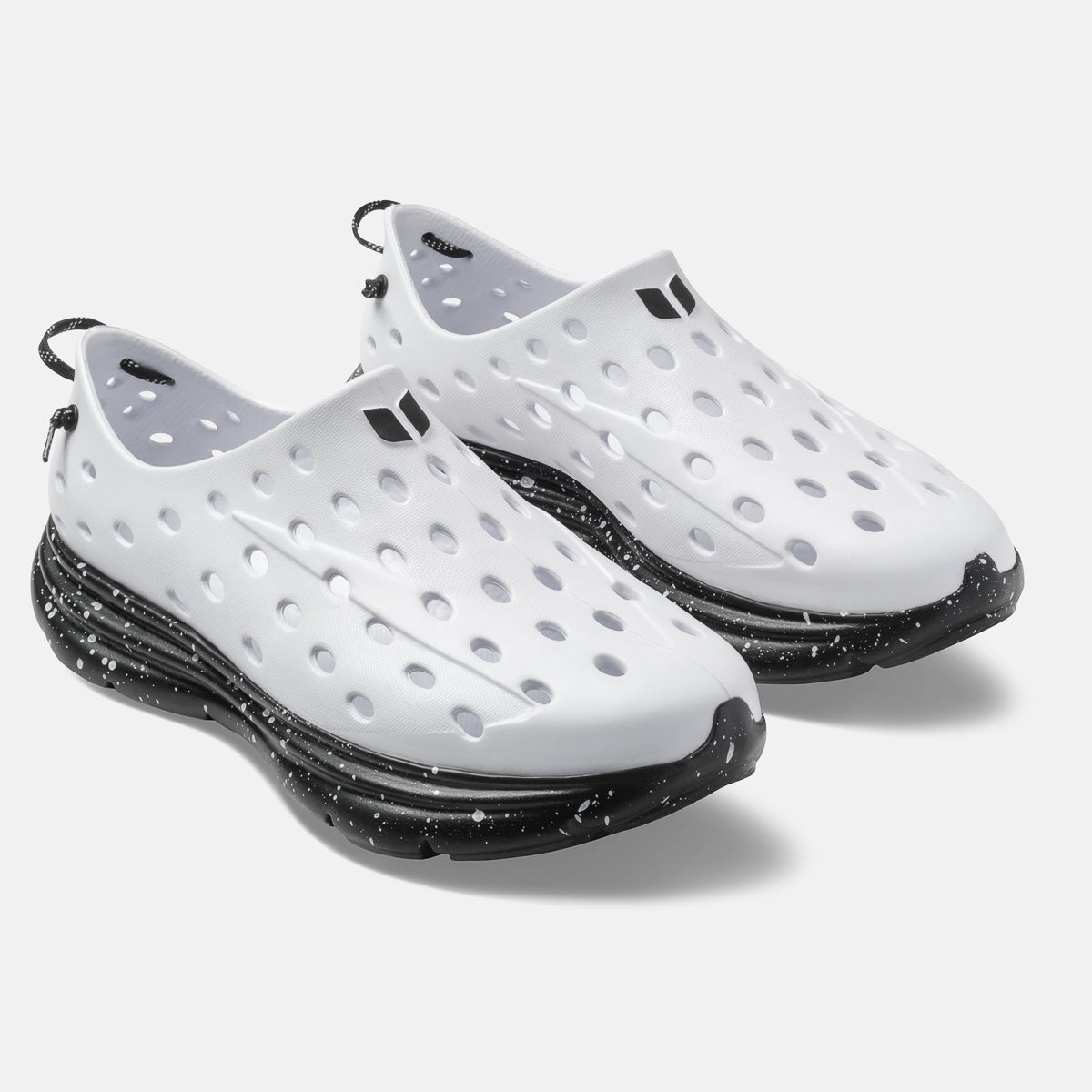
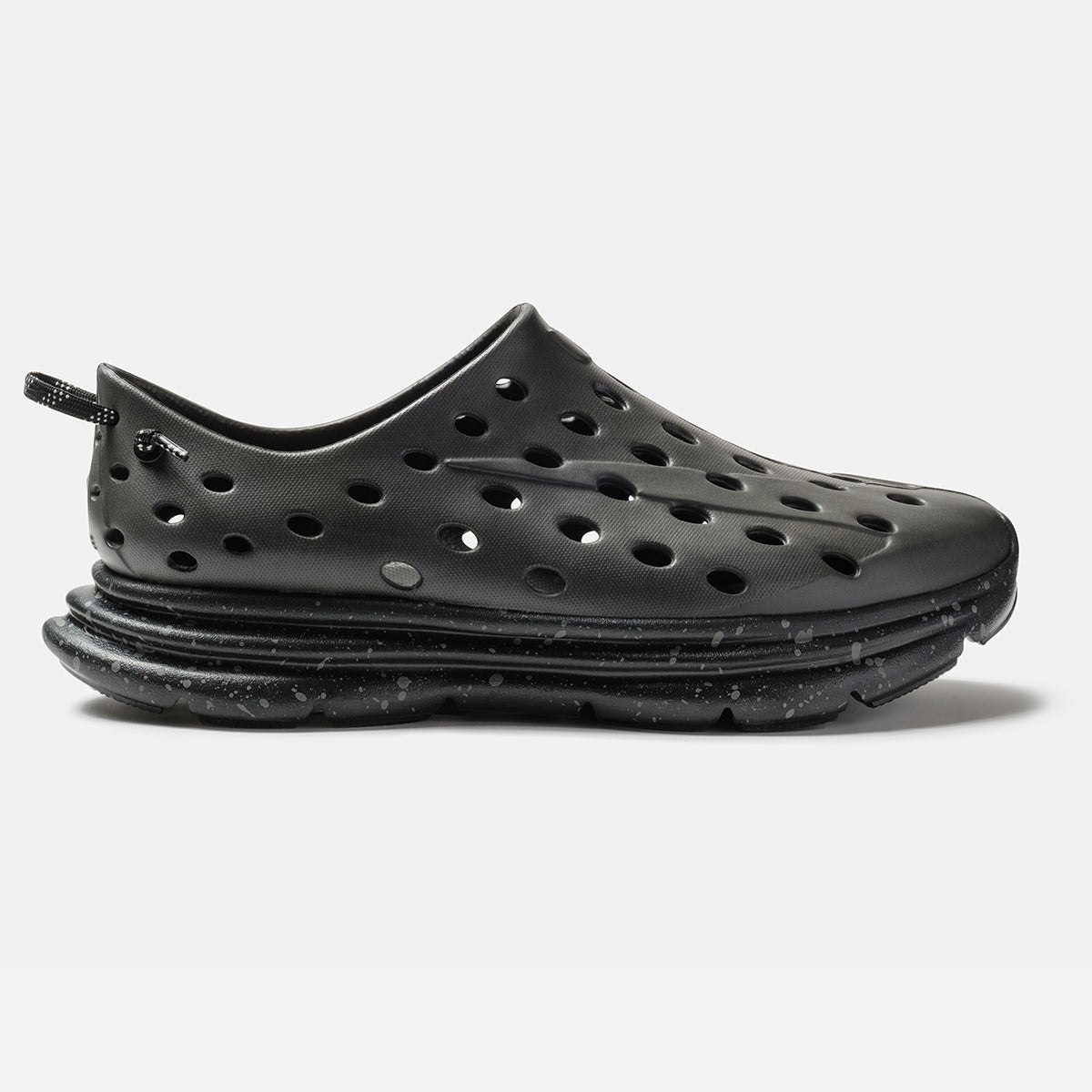
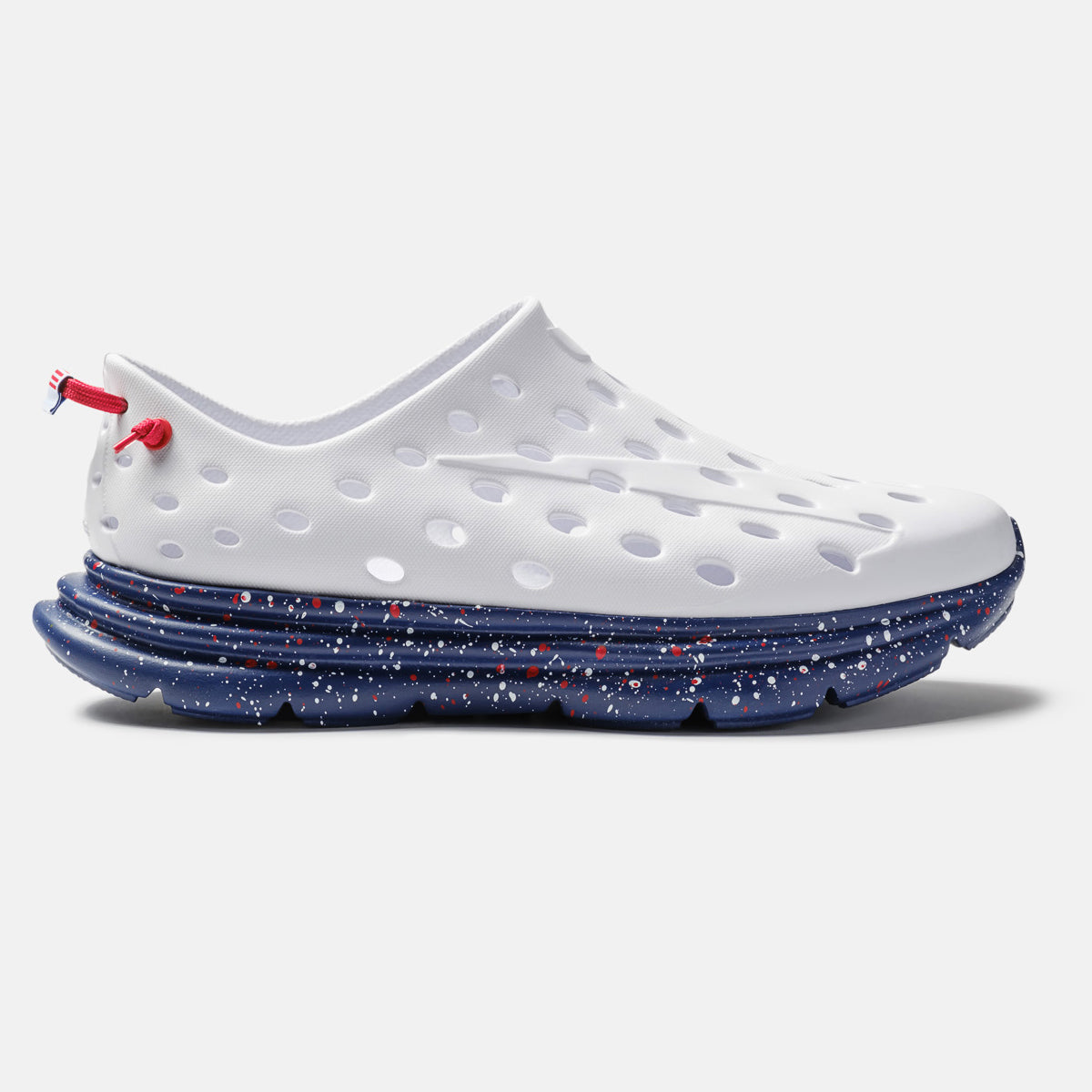
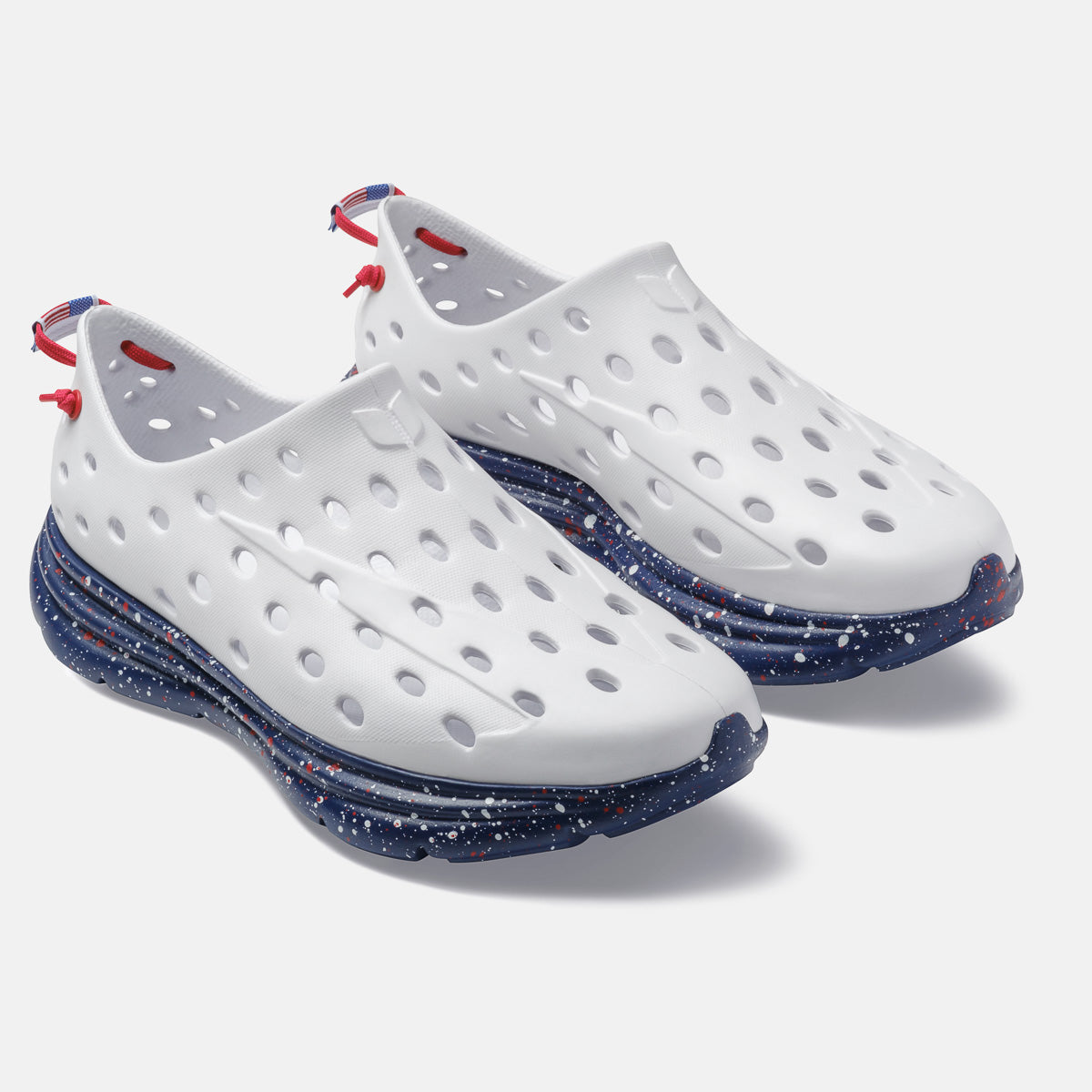
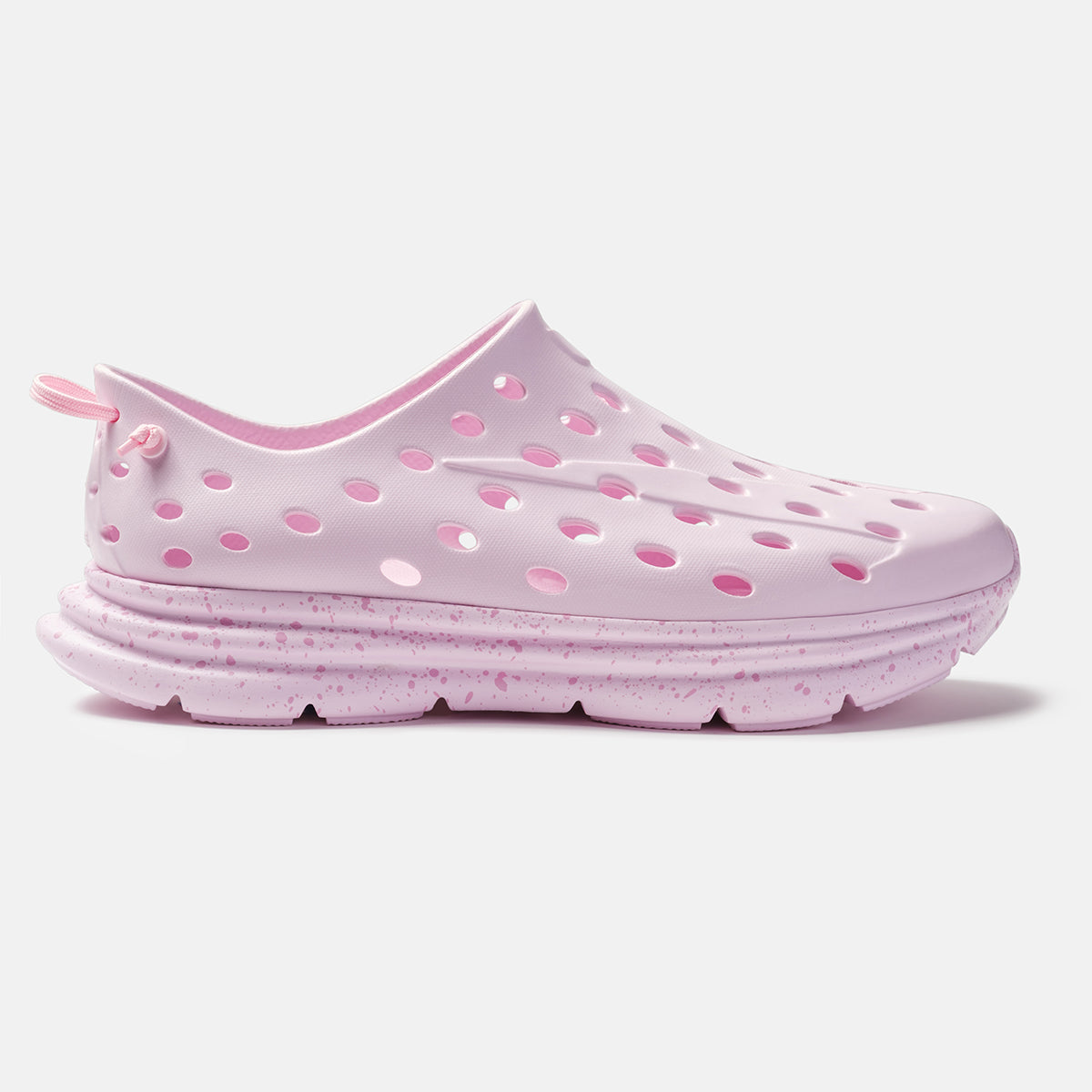
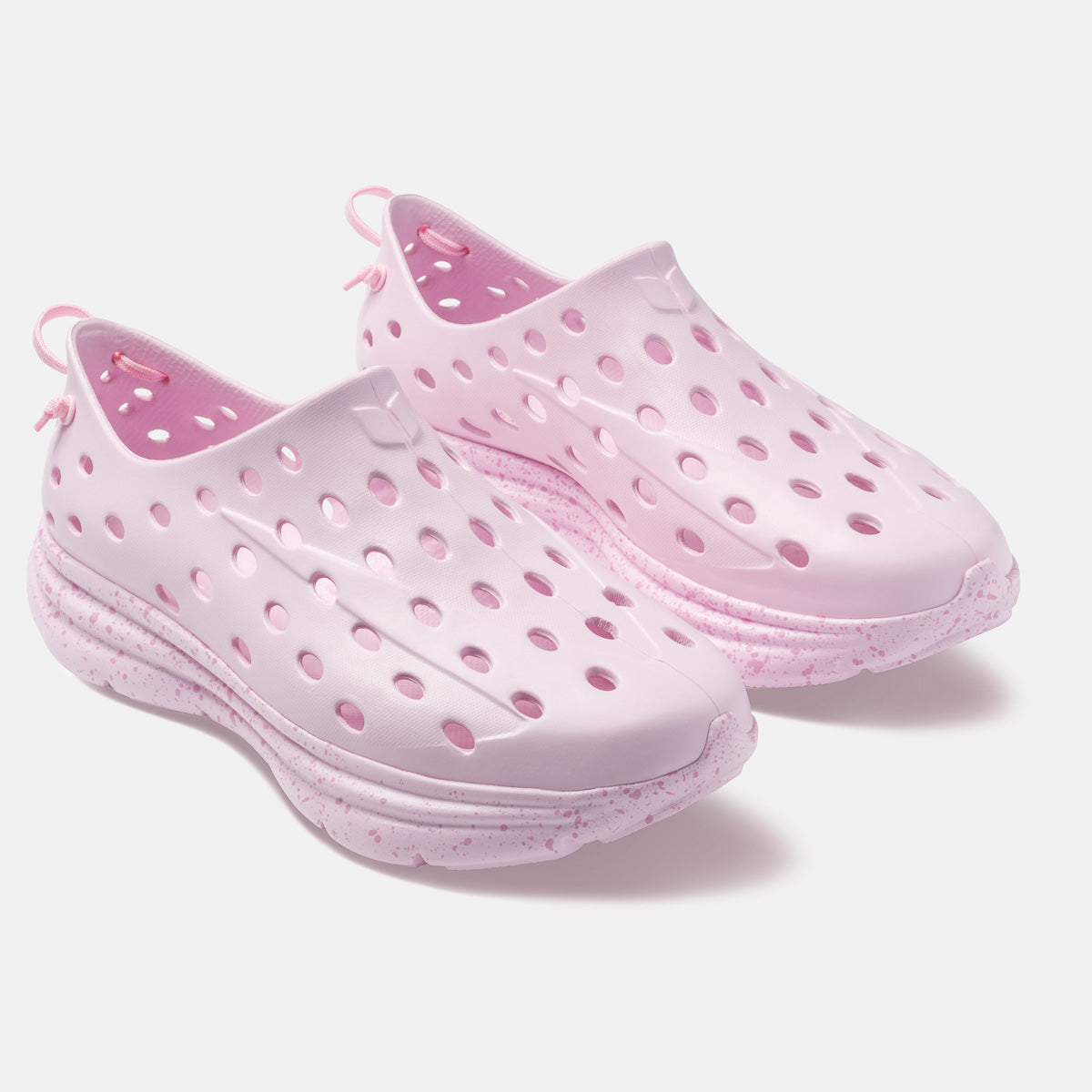
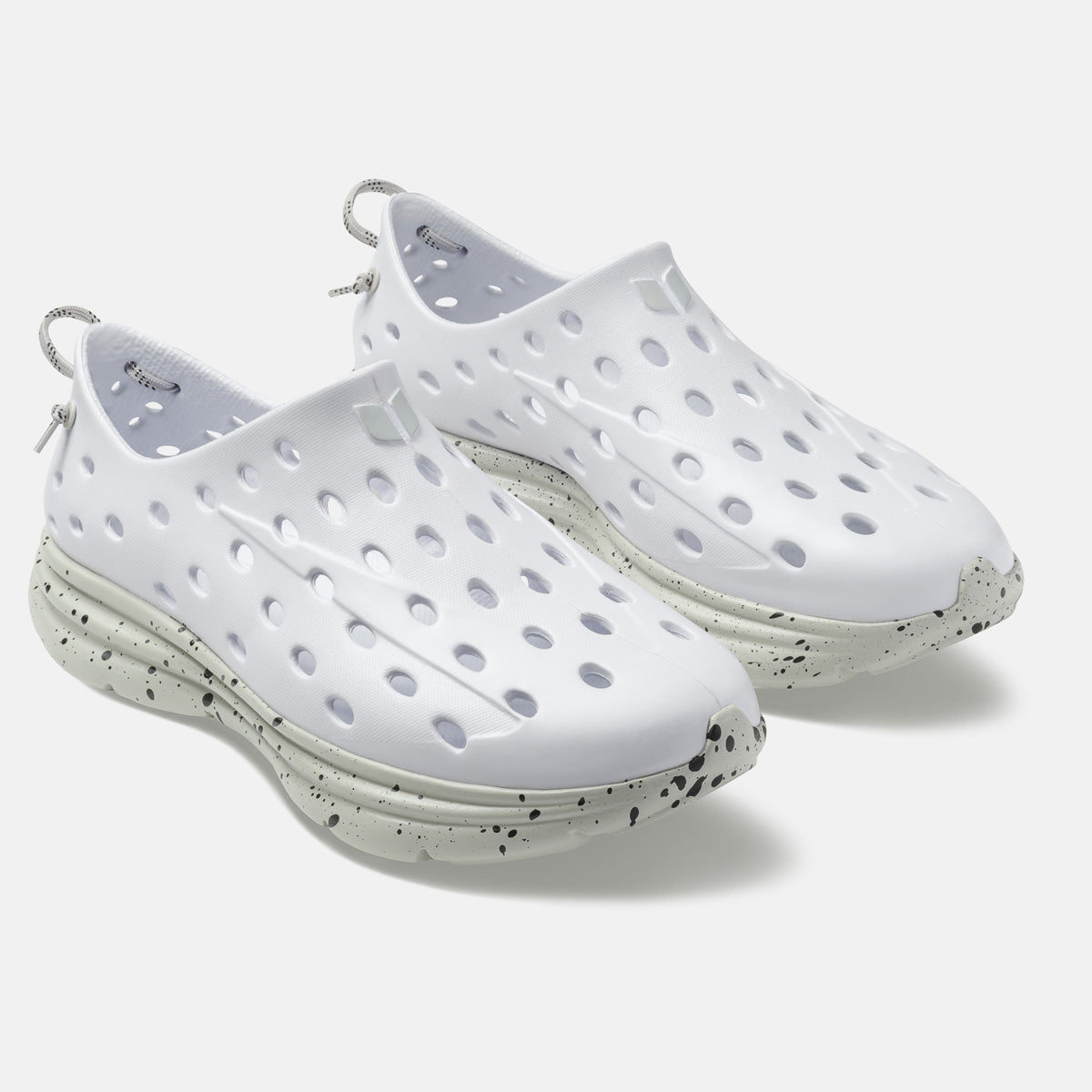
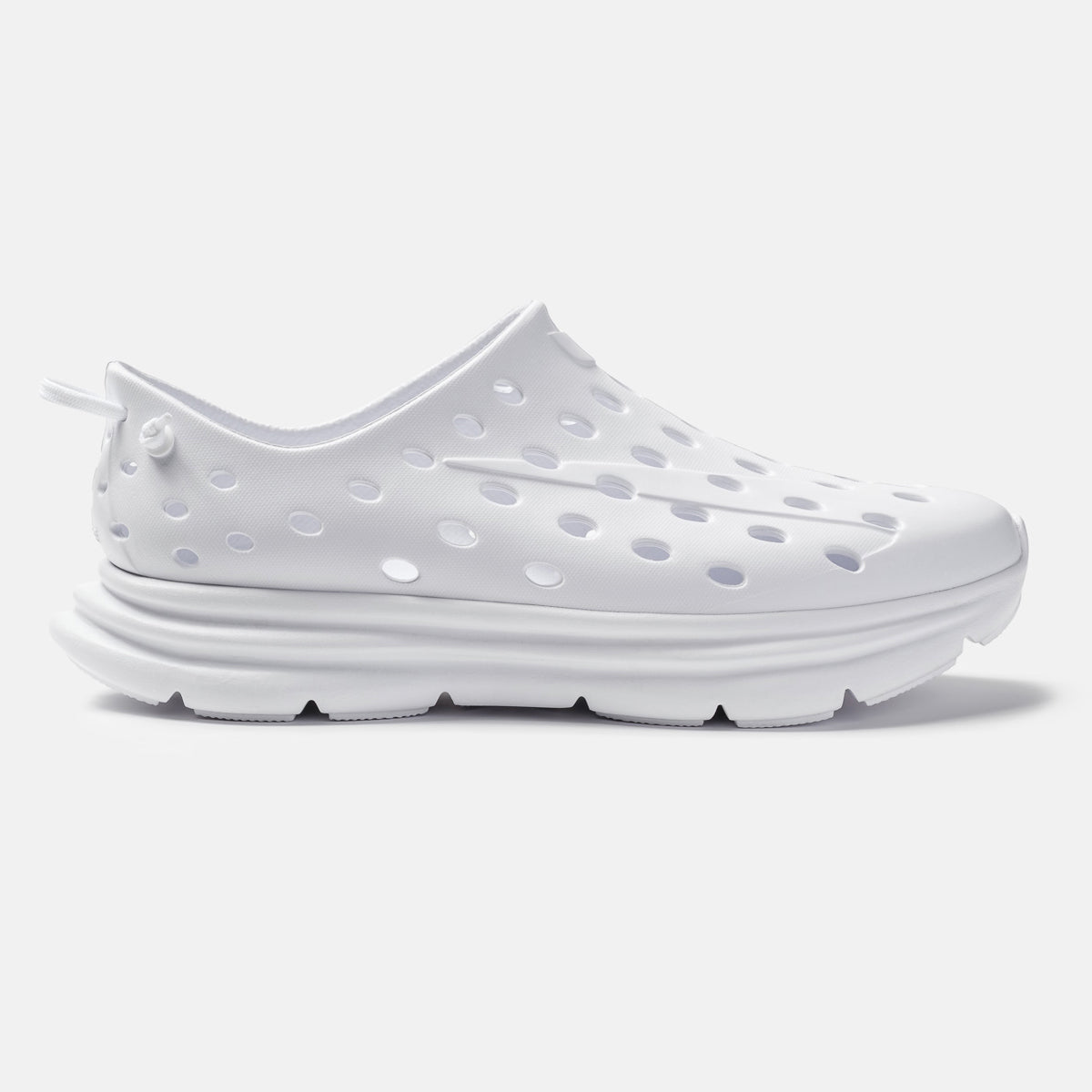
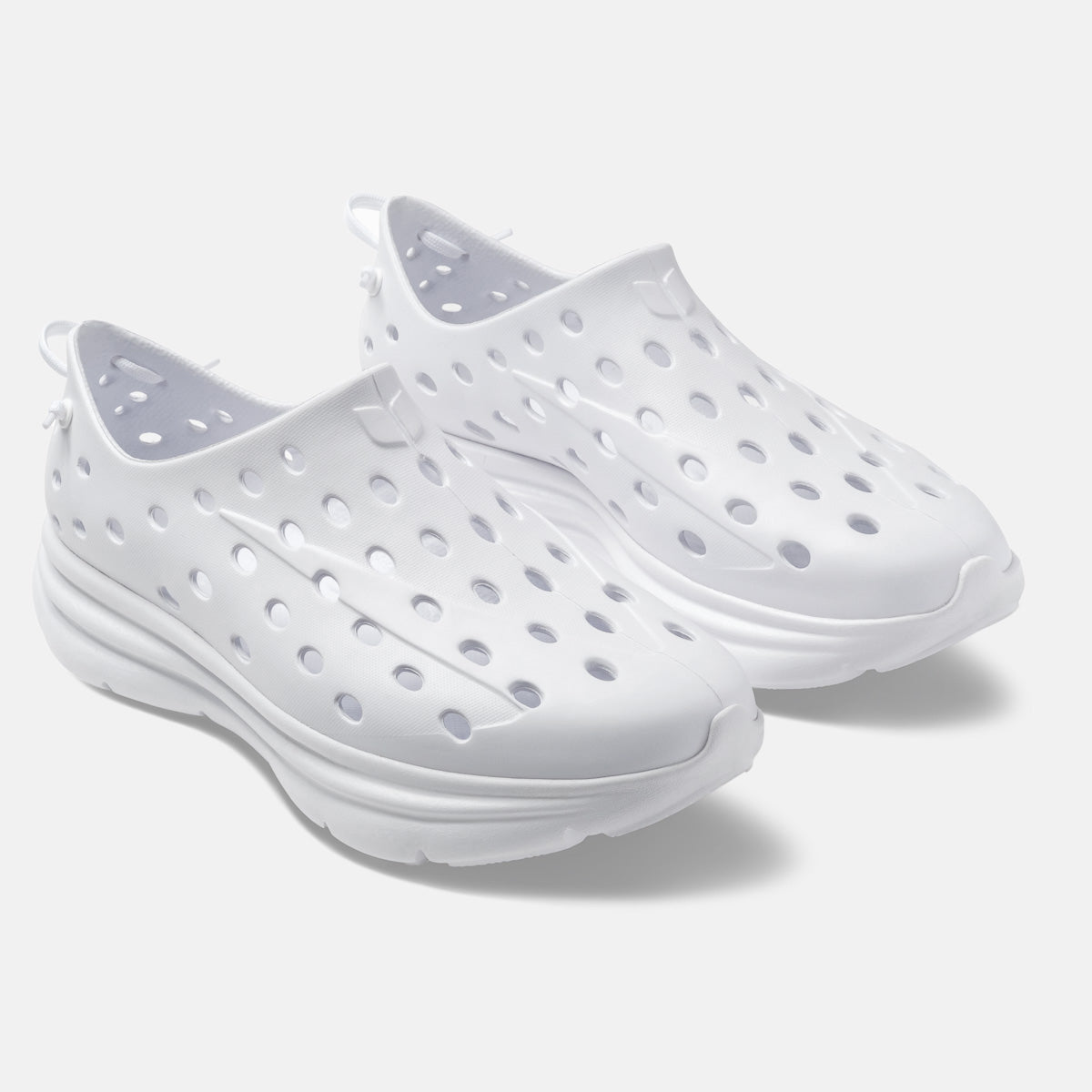
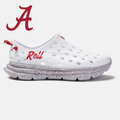
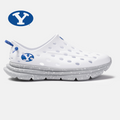
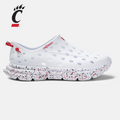
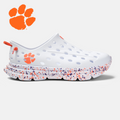
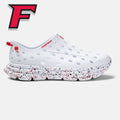
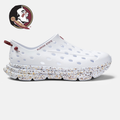
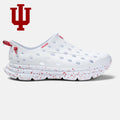
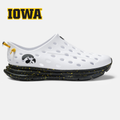
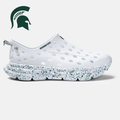
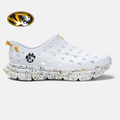
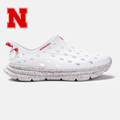
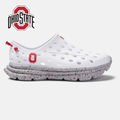
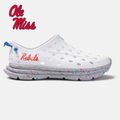
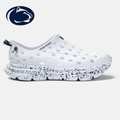
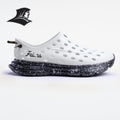
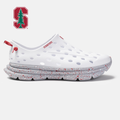
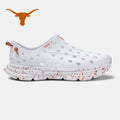
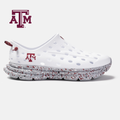
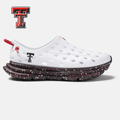
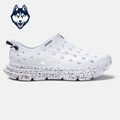
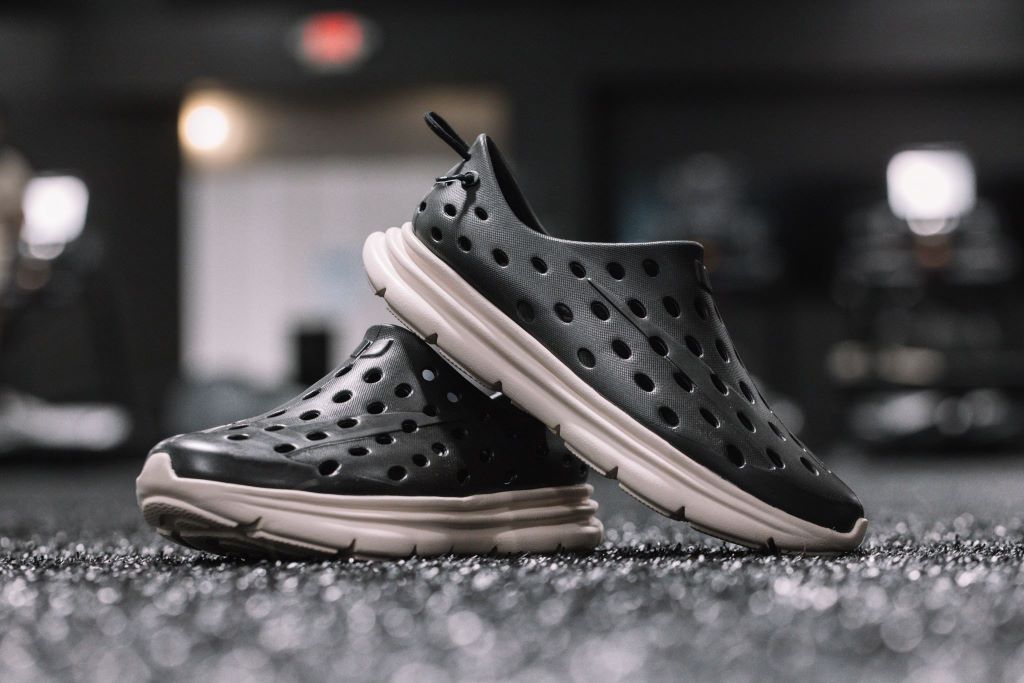
Recovery footwear has become essential gear for serious runners. These specialized shoes use innovative technologies and design to help your feet recover faster between runs. Options like the KANE Revive combine science-backed features with sustainable materials to create footwear that helps runners bounce back better.
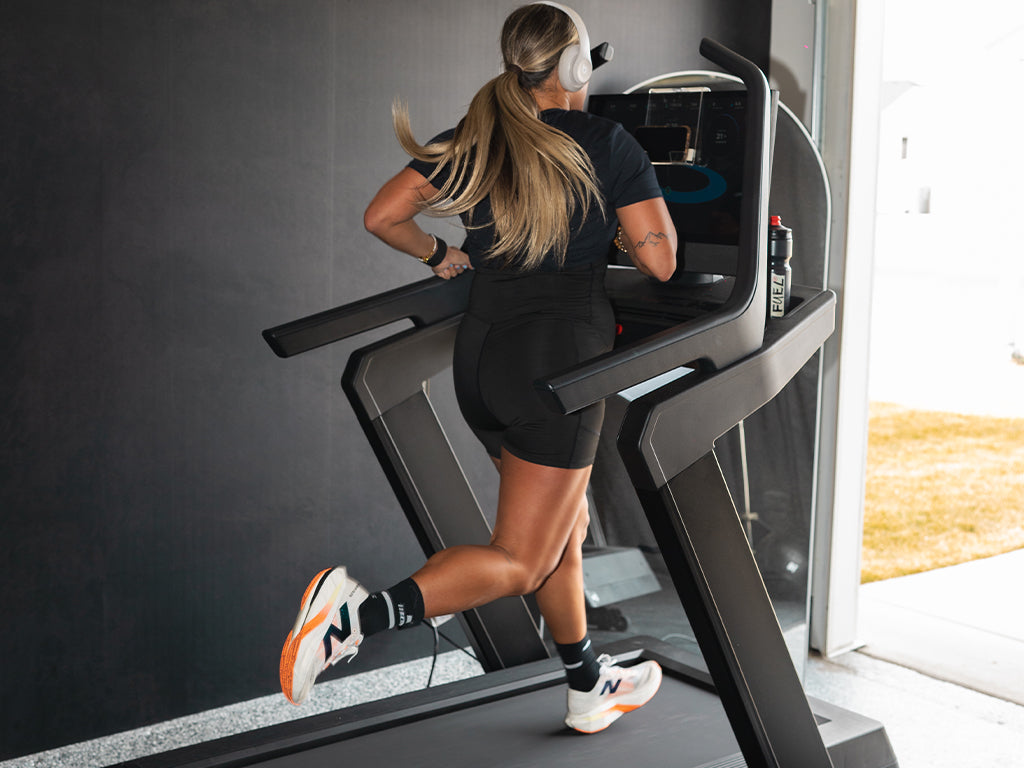
While your regular running shoes are built to propel you forward, recovery shoes allow your feet to relax completely while reducing stress on your calves and Achilles. The result? Support in all the right places for all-day comfort.
Key takeaways
- Recovery shoes are designed to absorb impact, reducing stress on tired feet and muscles after tough workout sessions.
- Wearing proper recovery footwear immediately after runs supports your training process by promoting blood flow and providing targeted support.
- The KANE Revive is informed by scientific principles, evolved by athlete feedback, and backed by data.
What are recovery shoes for runners?
Recovery shoes represent a distinct category of footwear designed specifically for post-exercise rest and recuperation. Unlike standard running shoes that maximize energy return, recovery sandals and closed-toe options use materials that absorb impact instead of bouncing it back.
The technology centers on how the materials respond to pressure. When you run, your shoes compress and release energy with each stride. But after a run, your feet need the opposite. Recovery footwear features materials that compress without pushing back, allowing muscles and joints to fully relax.
Best recovery shoes typically include:
- Generous cushioning
- Active arch support
- Raised footbed nodes
- Secure fit
- Breathable materials
- Durable construction
These shoes have surged in popularity among runners over the past decade. What started as recovery slides and flip flops worn by elite athletes has evolved into a full category of specialized footwear.
Discover KANE recovery shoes
Understanding what makes effective recovery footwear is one thing. Finding shoes that deliver on all fronts is another.
KANE developed their recovery shoes in collaboration with Dr. Daniel Geller, DPM, a foot and ankle surgeon specializing in sports injuries. This partnership brought orthopedic principles and athlete feedback together to create footwear purpose-built for recovery.
As Dr. Geller explains, "The Kane Revive has a proprietary blend of EVA known as RestoreFoam. It's a dual-density, which means it's got cushioning and it's got support. It's going to stabilize your foot. It's going to create amazing foot capture with every step you take."
The KANE Revive stands out through its comprehensive approach to post-run support:
- RestoreFoam™ dual-density construction: Made from Brazilian sugarcane, this proprietary EVA foam provides both generous cushion and active recovery arch support. The dual-density design delivers plushness without sacrificing stability.
- Anatomical foot capture: The heel and foot capture design allows your foot to relax completely while reducing stress on calves and Achilles. Support at the arch and instep keeps everything properly aligned for all-day comfort.
- Breathability and stimulation: Exterior perforations and interior channels enhance airflow to keep feet cool. Raised footbed nodes stimulate and massage key pressure points, promoting blood flow to tired tissues.
- Versatility for active recovery: A 9mm heel-to-toe drop enables smooth energy transfer with each step. Oversized channels and siped soles provide flexibility and traction for recovery runs, walking, or standing. The water-friendly materials mean you can rinse them off and keep moving.
KANE offers two versions of the Revive. The standard Revive works best for moderate to hot days. The Revive AC provides additional coverage and warmth for colder months and rugged conditions.
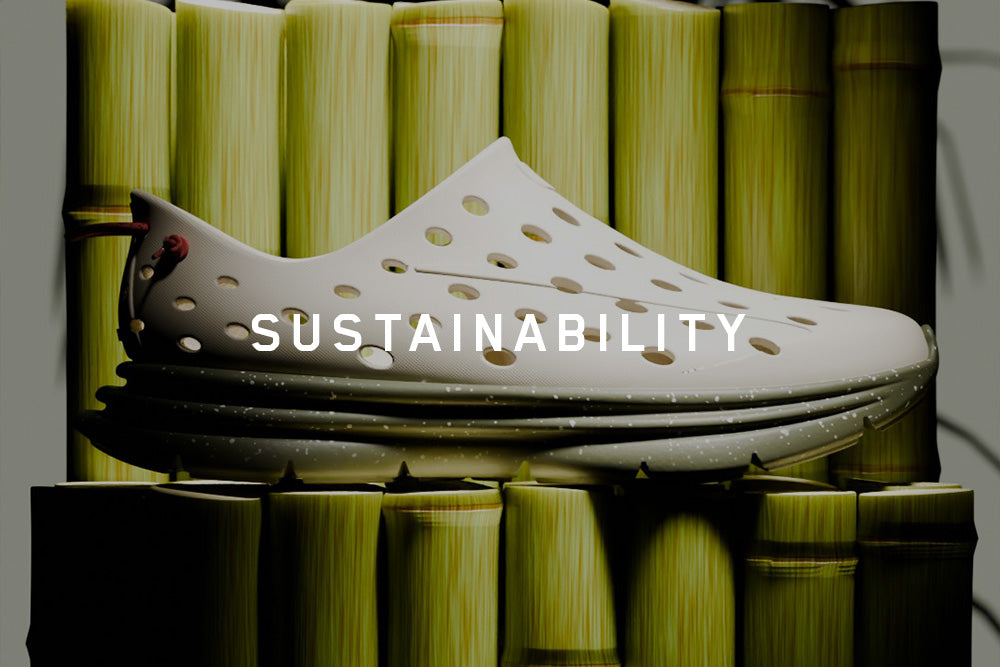
The sustainability angle matters, too. RestoreFoam™ is made in Brazil using Brazilian sugarcane. Not only is it regenerative, but it also draws down CO2 and reduces our carbon emissions and reliance on fossil fuels.
Why runners need recovery shoes
Running beats up your feet. Each foot strike generates a force equal to two to three times your body weight. Over a five-mile run, that's thousands of impacts.
Many runners sabotage their recovery by walking around barefoot or in unsupportive footwear after runs. This adds more impact to already-fatigued muscles and connective tissue.
Recovery shoes provide immediate relief and support when your feet need it most:
- Reduced inflammation: Plush cushion minimizes additional impact on tired muscles
- Improved circulation: Proper support and features like raised footbed nodes help stimulate blood flow to fatigued tissues
- Prevention of compensation injuries: Comfortable shoes help you maintain natural movement patterns instead of limping around
- Support for your training plan: Recovery isn't a break from training—it's part of the training process
Marathon runners particularly benefit. As weekly mileage climbs during training, the cumulative impact on feet increases dramatically. Wearing proper recovery footwear between runs becomes critical for staying healthy through race day.
The science behind recovery footwear
The key difference between running shoes and recovery shoes lies in how the foam behaves under load.
Regular running shoes use responsive foam for energy return. Recovery footwear uses materials that compress under pressure but don't bounce back with force. Instead, they dissipate energy, creating a cushioned platform that reduces impact.
The contoured footbed in the best recovery footwear maintains proper foot alignment, reducing stress on the plantar fascia, heel, and ankle. This support becomes especially important when muscles are fatigued.
The KANE Revive incorporates raised nodes on the footbed that create gentle pressure points to stimulate blood flow. Combined with perforations for airflow, the design creates an environment where feet can truly rest and recover.
Key features to look for in the best recovery footwear
Whether you're considering KANE or exploring other options, certain features separate effective recovery shoes from regular, comfortable shoes.
- Deep, responsive cushioning: Look for a substantial cushion that cradles your foot without feeling unstable.
- Anatomical arch support: A contoured footbed that matches your foot's natural shape provides crucial support.
- Secure but comfortable fit: Your foot shouldn't slip around, but it also shouldn't feel constricted. Look for designs that capture the heel and midfoot while allowing your toes to spread naturally.
- Temperature regulation: Breathable materials keep feet comfortable during extended wear. The KANE Revive's perforations allow enhanced airflow.
- Durable construction: Quality recovery footwear maintains its support and cushion over time. Look for shoes with proven longevity.
- Versatile traction: You need adequate grip for walking, light active recovery activities, or moving around the house. The best recovery shoes provide secure traction without being heavy.
Types of recovery footwear: Finding your perfect match
Recovery footwear comes in several styles, each with distinct advantages. Choose based on your climate and activity level. Runners in warm climates might prefer slides. Those in variable weather often benefit from closed-toe shoes like the KANE Revive that work year-round.
Slides and recovery sandals
Recovery slides slip on easily and provide decent cushion and support. You can wear them with socks on cold days. However, they offer less foot capture than closed designs, which can feel unstable during movement.
Flip flops
Recovery flip flops work well in warm weather and offer maximum breathability. The downside? They provide minimal support at the heel and ankle. Regular flip flops offer even less support and shouldn't be used for post-run recovery.
Closed-toe recovery shoes
Full-coverage shoes like the KANE Revive provide 360-degree support and protection. They secure the heel, arch, and toe areas while offering better stability than sandals or flip flops. This makes them more versatile for various activities. Quality models include perforations for airflow despite the closed design.
Recovery slippers
Recovery slippers work well indoors and provide warmth in colder months. However, they're generally not durable enough for outdoor use or active recovery sessions.
When to wear recovery shoes
Timing matters when it comes to recovery footwear. The sooner you transition from running shoes to recovery shoes after a run, the better.
Immediately post-run
Switch as soon as you finish. Your muscles and tissues are inflamed and fatigued. Wearing recovery footwear right away minimizes additional impact.
During active recovery days
Light walking or stretching benefits from proper support. Your feet continue to recover while you stay mobile.
Between double sessions
Runners doing two workouts per day should wear recovery shoes between sessions to maximize recuperation.
Post-race recovery
After race day, wear recovery footwear for several days. Marathon runners often keep a pair in their race-day bag for immediate relief.
During high-mileage weeks
When your training plan calls for elevated volume, consider wearing recovery shoes throughout the day. The KANE Revive's durable construction and water-friendly materials make it practical for both indoor and outdoor use.
How recovery shoes address common foot injuries
While recovery shoes aren't a cure-all, they provide meaningful support for runners dealing with common ailments.
- Plantar fasciitis: The combination of arch support and cushion in quality recovery footwear reduces stress on the plantar fascia. Runners with plantar fasciitis should avoid walking barefoot. Wearing recovery shoes consistently helps manage symptoms.
- Achilles tendonitis: Proper heel support reduces strain on the Achilles during daily activities. The KANE Revive's heel capture design specifically addresses this.
- General foot fatigue: High-mileage training wears feet down. Recovery shoes provide relief through cushion and support.
- High arches: Runners with high arches need extra arch support in their recovery footwear. Without it, the arch can collapse when fatigued, leading to pain.
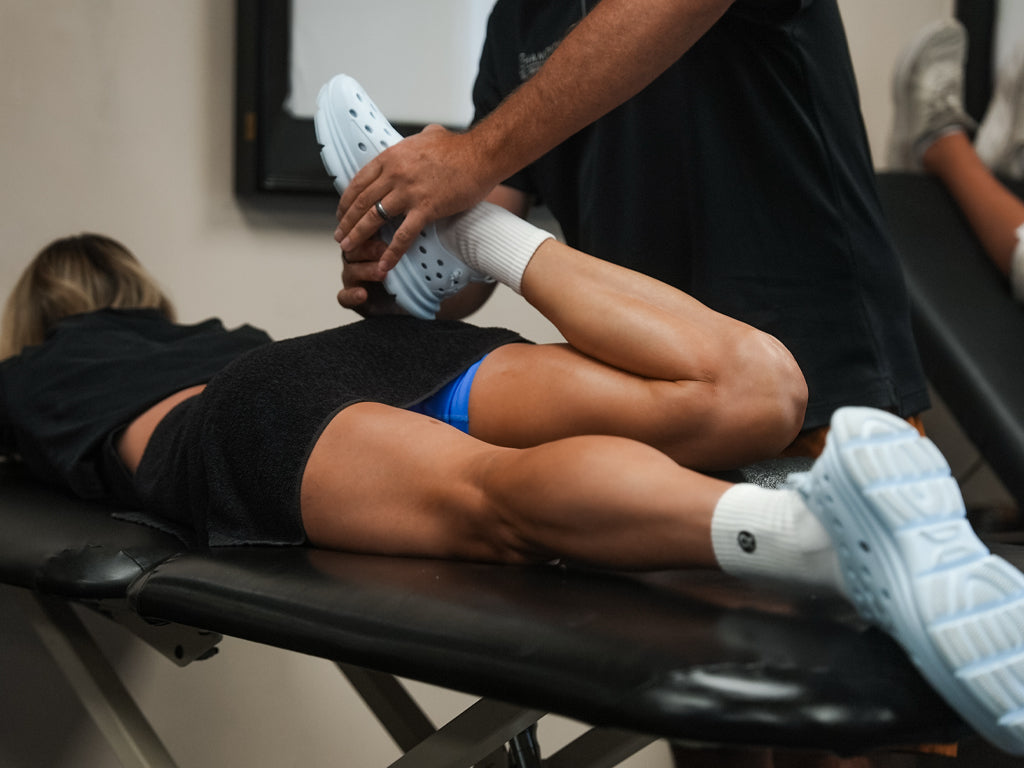
Foot injuries require professional diagnosis. Recovery shoes support healing but aren't a substitute for medical care. If pain persists, consult a podiatrist or sports medicine specialist.
Caring for your recovery shoes
Proper maintenance extends the life of your recovery footwear.
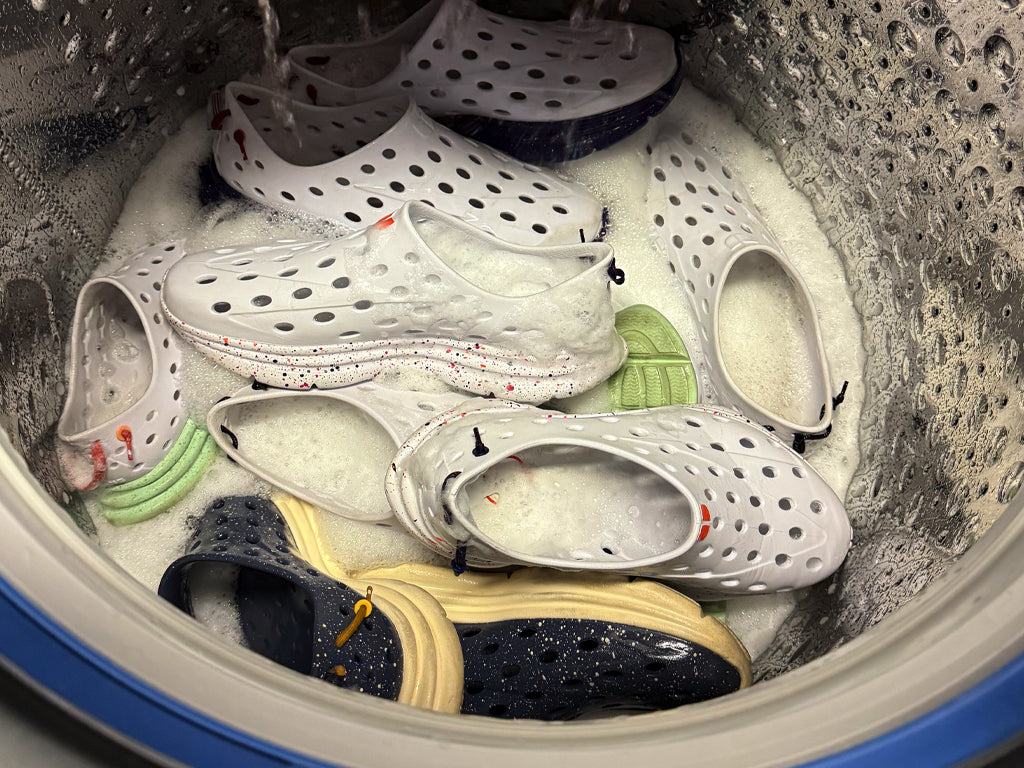
- Cleaning: KANE Footwear is easy to clean. KANEs can easily be wiped or washed off with soap and water, and are also machine washable at low temperatures (use on cold water setting only).
- Drying: Air dry away from direct heat sources. Avoid exposure to extreme heat or sun, as this can cause the shoes to shrink or warp. Dishwashers, dryers, and washing machines on a hot water setting can also cause the shoes to shrink or warp.
- Storage: A hang loop makes it easy to hang your KANEs on a coat hook, clip them to a backpack, or hook them on your handlebars.
Give your feet the recovery they deserve
Recovery deserves the same attention you give to your training. You plan your workouts carefully, track your mileage, and invest in quality running shoes. Your recovery footwear should receive similar consideration.
The right recovery shoes support your training process by helping your body adapt to the stress of running. They reduce impact on fatigued tissues, support proper alignment, and provide relief when your feet need it most. Over time, this translates to fewer injuries, better performance, and more enjoyable running.
The KANE Revive delivers on the promise of comprehensive recovery through science-backed design, sustainable materials, and versatile performance. Your feet carry you through thousands of miles. Give them the recovery they deserve.
Frequently asked questions
Do runners need recovery shoes?
Recovery shoes provide significant benefits for runners, especially during high-mileage training. They reduce impact on fatigued feet, support proper alignment, and help stimulate blood flow to tired tissues. While not absolutely essential, they're a valuable tool for recovery and injury prevention. Runners logging serious miles or dealing with foot injuries typically find them worth the investment.
What are the best running recovery shoes?
The best recovery shoes combine deep cushion, arch support, and stable construction. Full-coverage options like the KANE Revive provide superior support compared to slides or flip flops. KANE is informed by scientific principles, evolved by athlete feedback, and backed by data. Sports podiatry design is the core of our recovery promise.
Do recovery shoes actually work?
Yes, when used correctly. Recovery footwear reduces stress on tired muscles and joints by absorbing impact rather than returning energy. This supports the body's natural recuperation process. The American Podiatric Medical Association recognizes the value of proper footwear for foot health. While recovery shoes won't replace rest, proper nutrition, or stretching, they're an effective component of a comprehensive recovery strategy.
How soon after running should I put on recovery shoes?
Switch to recovery footwear immediately after removing your running shoes for maximum benefit. The post-run period is when your feet are most inflamed and fatigued. Quick transition minimizes additional impact and starts the recovery process right away. Many runners keep their recovery shoes at the finish line of long runs or races for immediate relief. Wearing them throughout the rest of the day after hard efforts provides extended support.
No content on this site should ever be used as a substitute for direct medical advice from your doctor or other qualified clinicians.