


























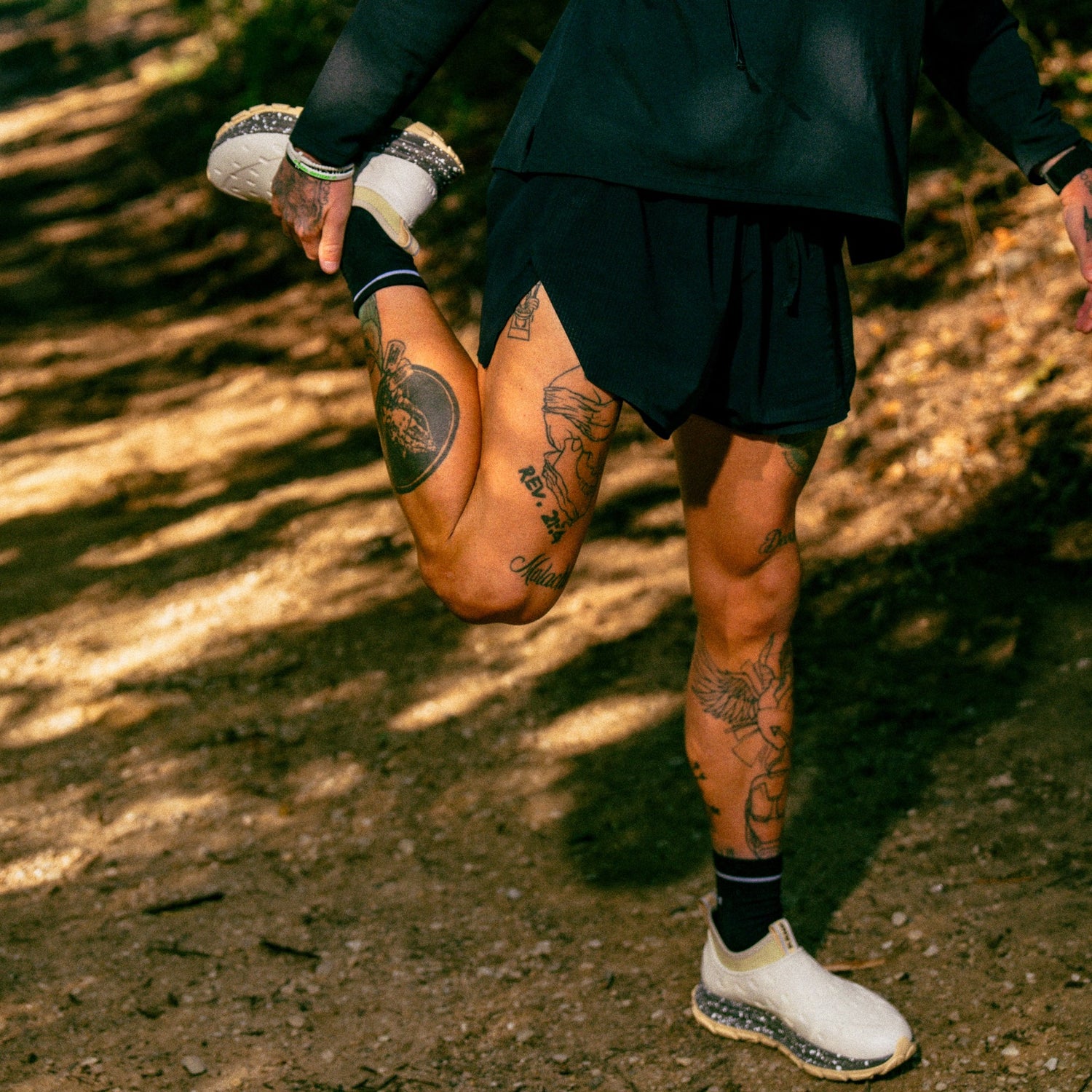
You've just finished an incredible workout. You're feeling accomplished and energized. Then, the next day arrives, and so does that familiar feeling—your muscles are screaming in protest. That uncomfortable stiffness and pain is delayed onset muscle soreness (DOMS for short)—and it can impact your training routine if you don’t manage it properly.
The answer to how to prevent DOMS is layered. While you can't completely stop delayed onset muscle soreness, you can significantly reduce its severity and frequency by following specific strategies.
Understanding DOMS: What causes those sore muscles?
DOMS is a natural response to unfamiliar or intense exercise. Even experienced athletes can experience it when introducing new exercises or increasing intensity. Unlike the acute pain that may occur during an activity, DOMS typically peaks 24 to 72 hours after a workout.
The primary culprits behind sore muscles are eccentric muscle contractions—movements that lengthen muscles under tension. Examples include lowering into a squat, running downhill, or the downward motion of a bicep curl. These eccentric contractions create microscopic tears in your muscle fibers and connective tissue, triggering an inflammatory process that leads to stiffness, reduced range of motion, and soreness.
Contrary to popular belief, lactic acid buildup isn't responsible for delayed onset muscle soreness. While lactic acid may cause burning during intense exercise, it dissipates quickly. Instead, the microtrauma to the structural elements of the muscle and the subsequent repair process create DOMS’ uncomfortable symptoms.
Factors influencing how severely you'll experience DOMS include:
- The novelty of movements in your exercise program
- Intensity and duration of your workout routine
- Your current fitness level
- Genetic factors affecting muscle repair
- Previous exposure to similar training stimuli
Remember that DOMS isn't necessarily an indicator of a good workout. Mild soreness can be a sign of adaptation, but extreme pain may indicate an injury. Sustainable progress depends on striking a balance between pushing yourself and knowing when to take an active recovery or rest day.
Pre-workout strategies: Preventing DOMS before it starts
Gradual progression
One of the most effective ways to prevent DOMS is by training progressively. Abruptly increasing your training program's intensity, duration, or volume is a surefire way to bring on the pain. Whether you're trying a new exercise program or returning after a break, ease in at a manageable level and increase by no more than 10% each week.
Professional athletes follow this principle religiously, knowing that sustainable progress beats dramatic but unsustainable jumps in training load. Your body adapts best to incremental challenges that allow for proper recovery between sessions.
Proper warm-up
Dynamic warm-ups prepare muscles for activity, improve blood flow, and may modestly reduce the likelihood and intensity of DOMS. Scientific studies show that warming up—especially with dynamic movements (e.g., lunges with rotation, arm circles, leg swings, high knees, butt kicks)—can produce a small but significant reduction in delayed onset muscle soreness after unfamiliar or intense exercise, particularly for the legs. However, warm-ups do not entirely prevent DOMS. The main benefits of a warm-up include improved performance, increased muscle flexibility, and reduced risk of injury.
During-workout techniques to minimize delayed onset muscle soreness
- Focus on proper form: Poor technique increases unnecessary stress on muscles and can exacerbate muscle damage. Form is more important than the weight or number of repetitions, especially when performing eccentric exercises.
- Balanced training approach: Alternating between different muscle groups and incorporating various training techniques helps manage soreness by avoiding excessive stress on any single area. This approach allows some body parts to recover while you work others.
- Gradual intensity progression: Rather than jumping straight into your heaviest sets or most intense workout, use a pyramid approach. Begin with lighter loads and gradually increase intensity throughout your session.
Post-exercise recovery: Effective ways to manage DOMS
Active recovery helps reduce muscle soreness
Fifteen to 20 minutes of light exercise, such as walking, gentle cycling, or restorative yoga, after intense workouts can play a valuable role in managing delayed onset muscle soreness. These low-impact movements increase blood flow to sore muscles, which helps deliver nutrients needed for repair and flush out metabolic waste products that accumulate during exercise. This improved circulation can promote faster muscle recovery and help restore normal muscle function.
Foam rolling and massage for tissue mobility
Foam rolling and massage may reduce muscle tenderness and improve mobility if performed after intense exercise and repeated over the next 24 to 48 hours.
When foam rolling, move slowly (about an inch per second) and pause on tender areas for 20 to 30 seconds. While it might feel uncomfortable, many athletes report decreased soreness and improved mobility afterward.
Compression garments support recovery
These specialized garments apply graduated pressure that supports venous return and may help stabilize muscle fibers during recovery.
Wearing compression garments for 12 to 24 hours after exercise can moderately reduce the severity of DOMS and may speed up muscle function recovery. However, while they appear effective for soreness and performance recovery, not all users may experience the same benefits.
Cold therapy applications
Cold therapy, such as ice baths or cold packs applied within one hour after exercise, can effectively reduce DOMS pain for up to 24 hours post-workout. While some inflammation is necessary for muscle repair, excessive swelling can contribute to pain and stiffness.
For optimal results, use cold water immersion or ice packs for 10 to 15 minutes on the first day following intense exercise, allowing at least an hour between treatments. Note that these benefits typically diminish after the initial 24-hour recovery period.
Nutrition strategies to combat delayed onset muscle soreness
Protein timing and quality
Consuming high-quality protein distributed throughout the day supports ongoing muscle repair. Aim for 1.6 to 2.2 grams per kilogram of body weight every day, with 20 to 40 grams within the post-exercise window to provide amino acids when your muscles are most receptive.
Anti-inflammatory foods
Certain foods contain natural compounds that may help manage the inflammatory process associated with DOMS:
- Fatty fish rich in omega-3s
- Tart cherries and berries
- Turmeric with black pepper
- Ginger
- Colorful fruits and vegetables
Making it a habit to eat these foods may help modulate inflammation and support faster recovery.
Hydration is crucial
Maintaining optimal hydration levels supports nearly all aspects of recovery. Proper fluid intake enhances nutrient transport to damaged tissues, promotes the removal of metabolic waste products, and helps maintain tissue elasticity. Aim for two to three liters daily, increasing intake on workout days. Including electrolytes—particularly sodium, potassium, and magnesium—further enhances fluid absorption and muscle function, making sports drinks or electrolyte-enhanced water beneficial during intense recovery.
Lifestyle factors that influence muscle recovery
Sleep quality
Nothing replaces a good night’s sleep for recovery. During deep sleep, your body conducts much of its repair processes. Try to get seven to nine hours of quality sleep, especially after an intense training session.
Stress management
Chronic stress elevates cortisol levels, which can wreak havoc with recovery and potentially worsen inflammation. Incorporating stress-reduction techniques like meditation or breathing exercises can help give your body the best possible chance at healing.
Consistency
Regular, consistent physical activity helps your body become more efficient at handling exercise stress and recovering from it. Wildly fluctuating between intense activity and complete inactivity makes you more susceptible to severe DOMS when you do train.
Even during recovery, maintaining some level of movement—walking, gentle yoga, or other low-intensity activities—helps maintain tissue quality and supports overall health.
When to seek professional advice about muscle soreness
While delayed onset muscle soreness is a normal physiological response to certain types of exercise, see a healthcare professional if you experience:
- Pain that is sharp, stabbing, or localized rather than the dull, diffuse ache of typical DOMS
- Soreness that persists beyond five to seven days
- Significant swelling or discoloration
- Severely restricted range of motion
- Symptoms that worsen rather than gradually improve
Sports medicine specialists and other healthcare providers can offer solutions for severe or persistent muscle soreness, including physical therapy techniques, appropriate pain reliever recommendations, or diagnostic imaging to rule out structural injury.
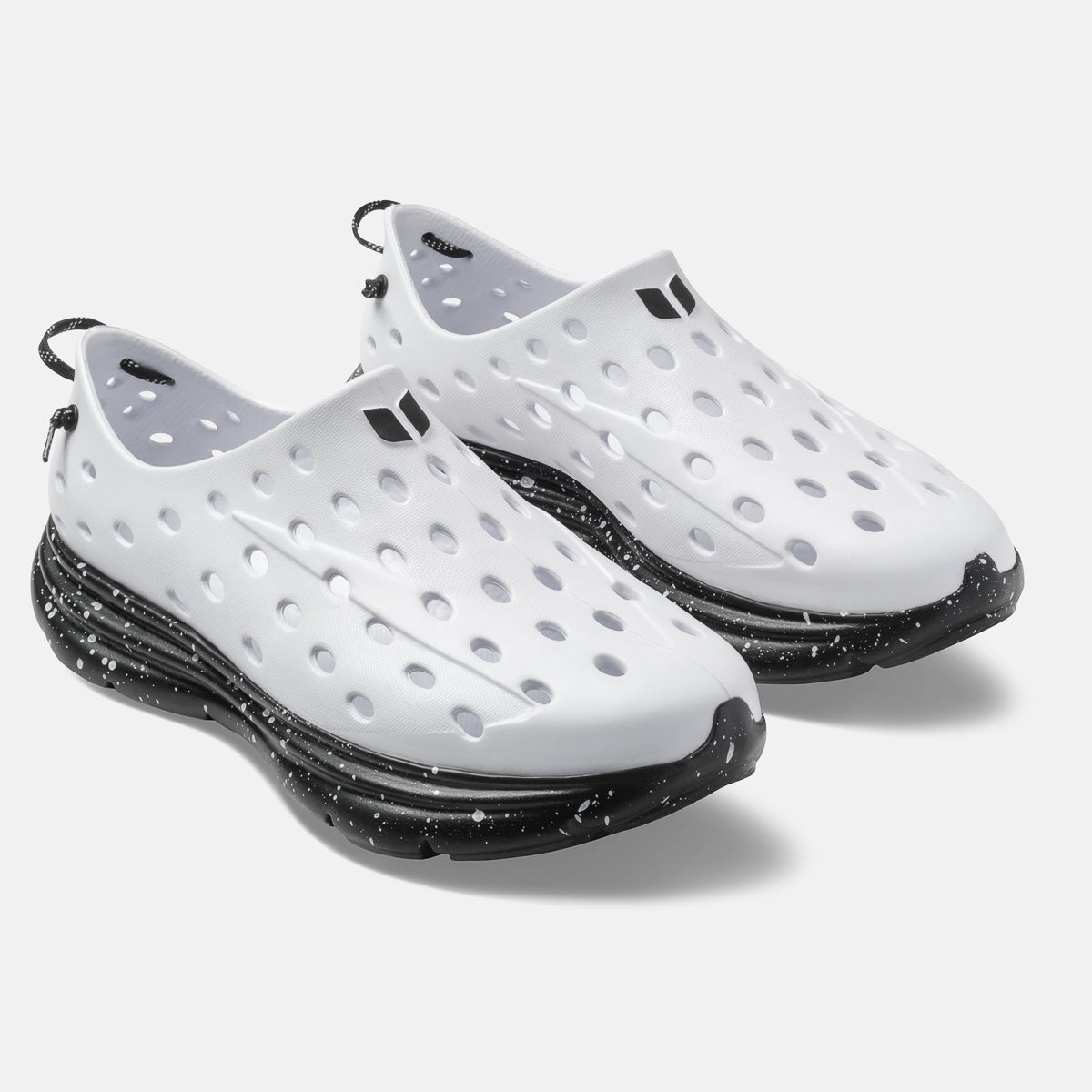
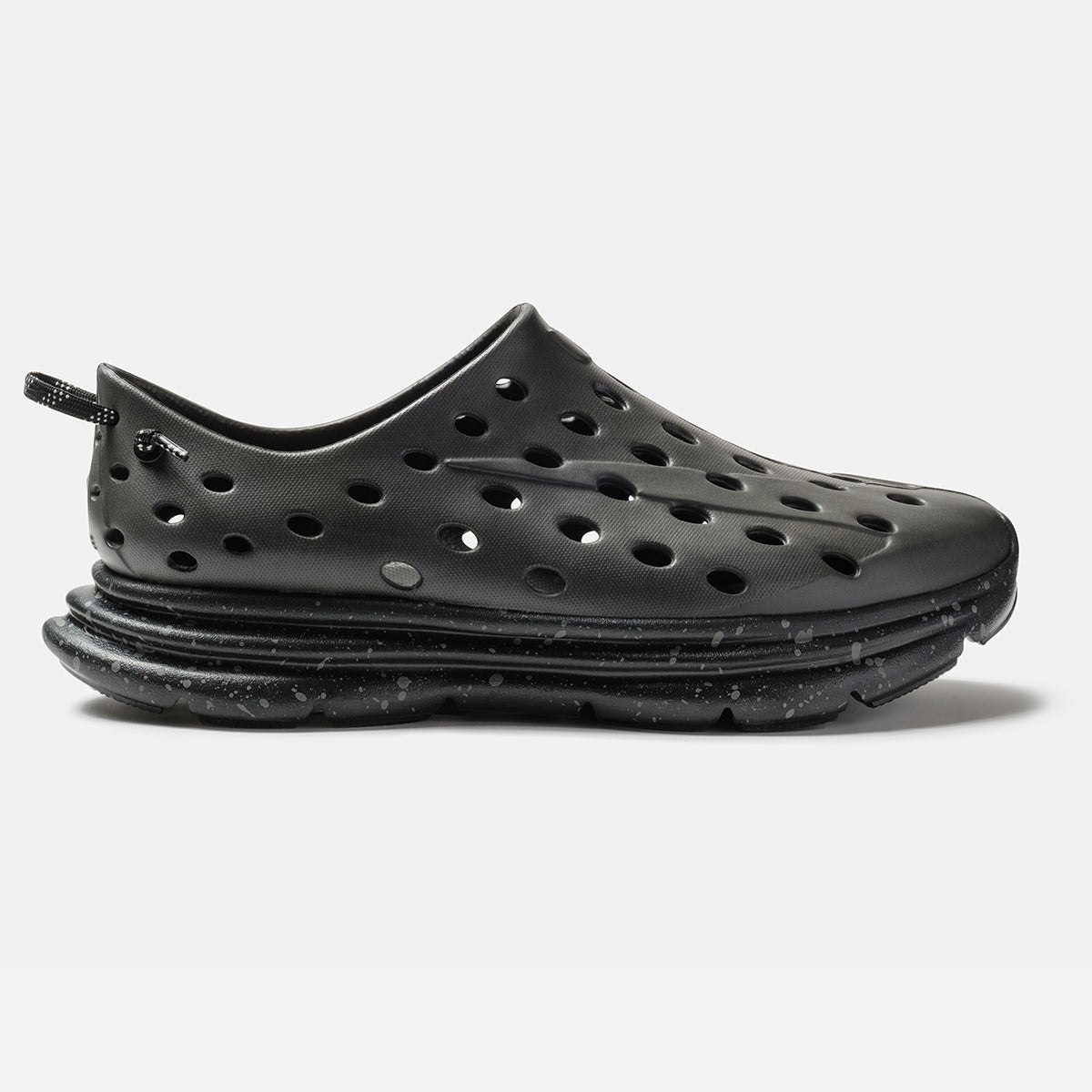
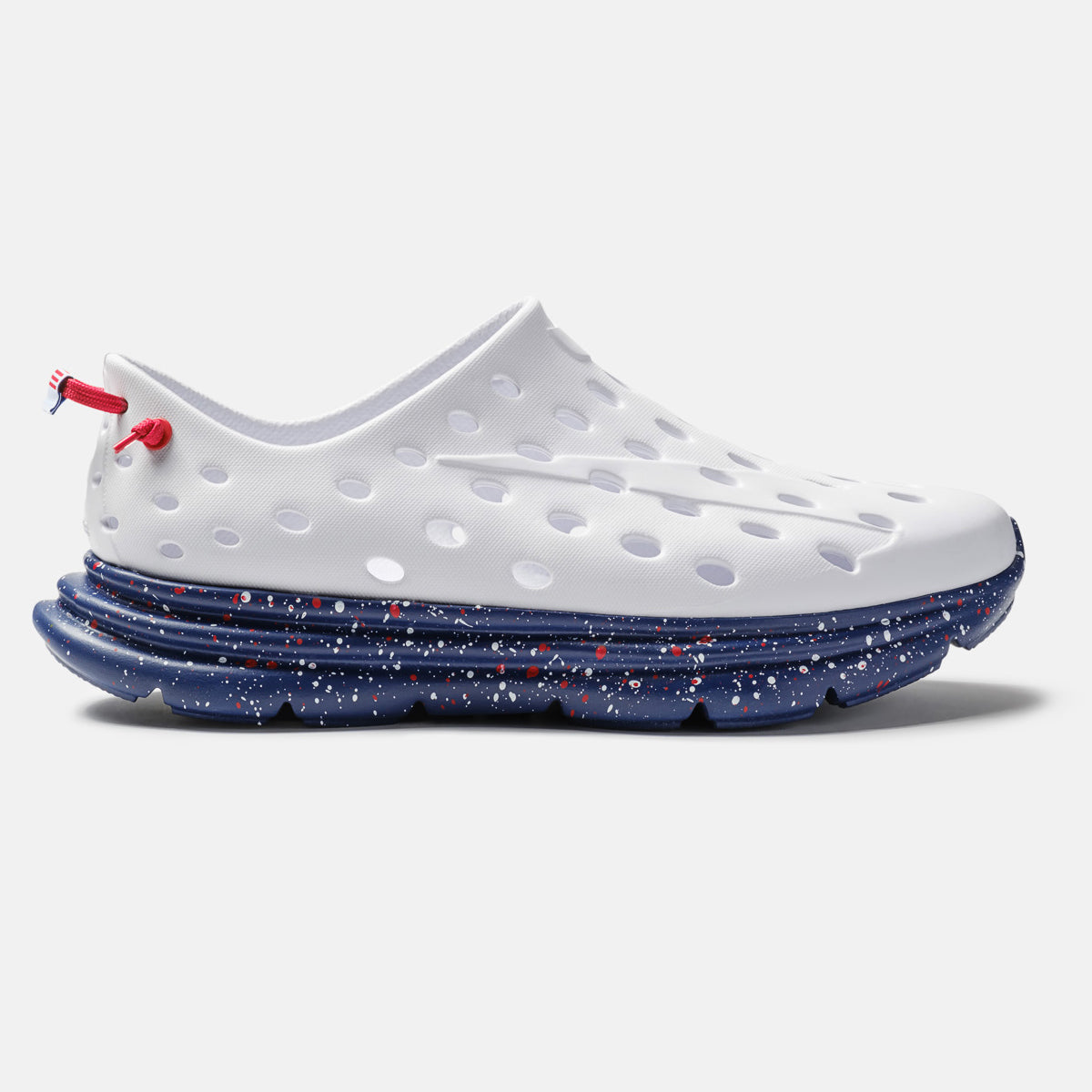
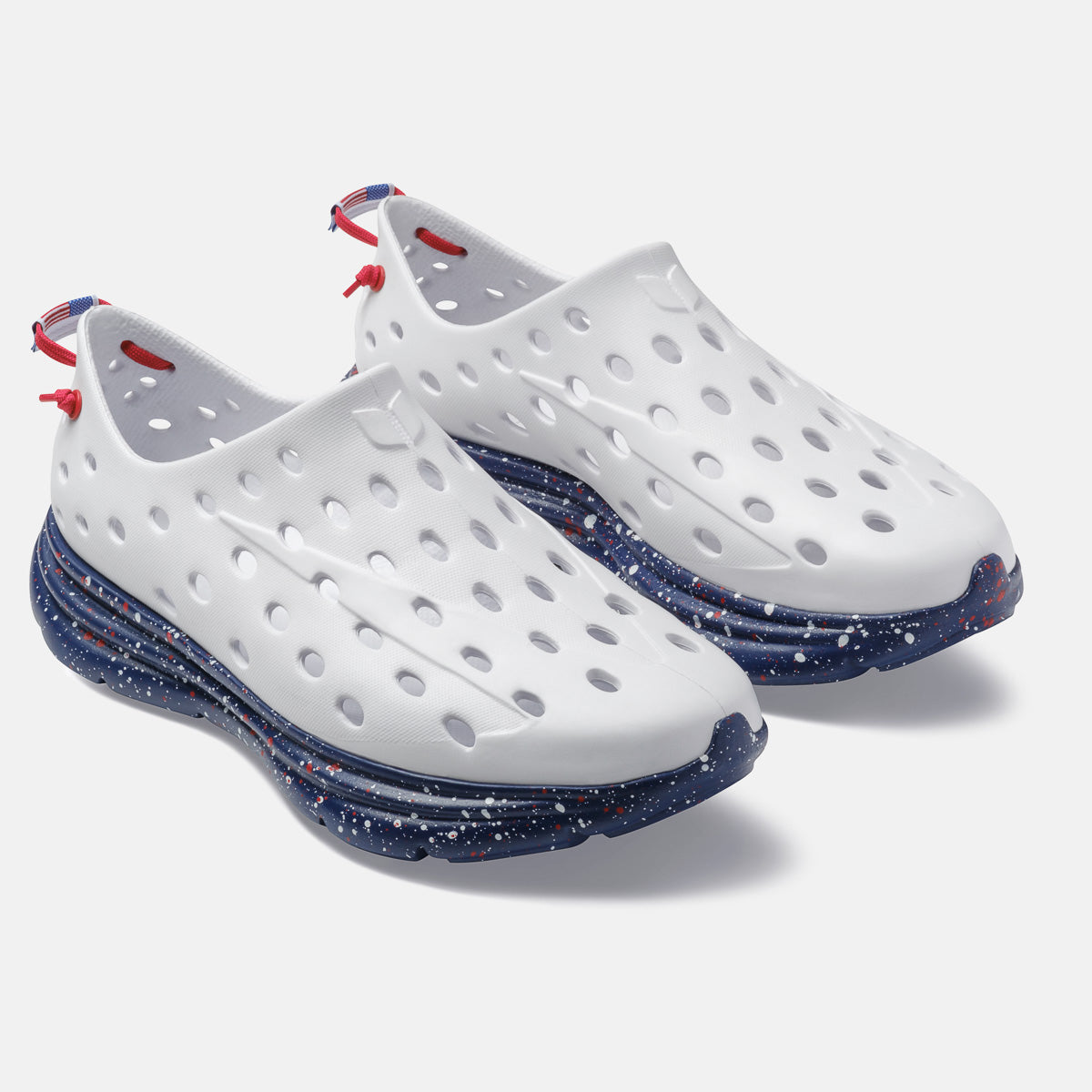
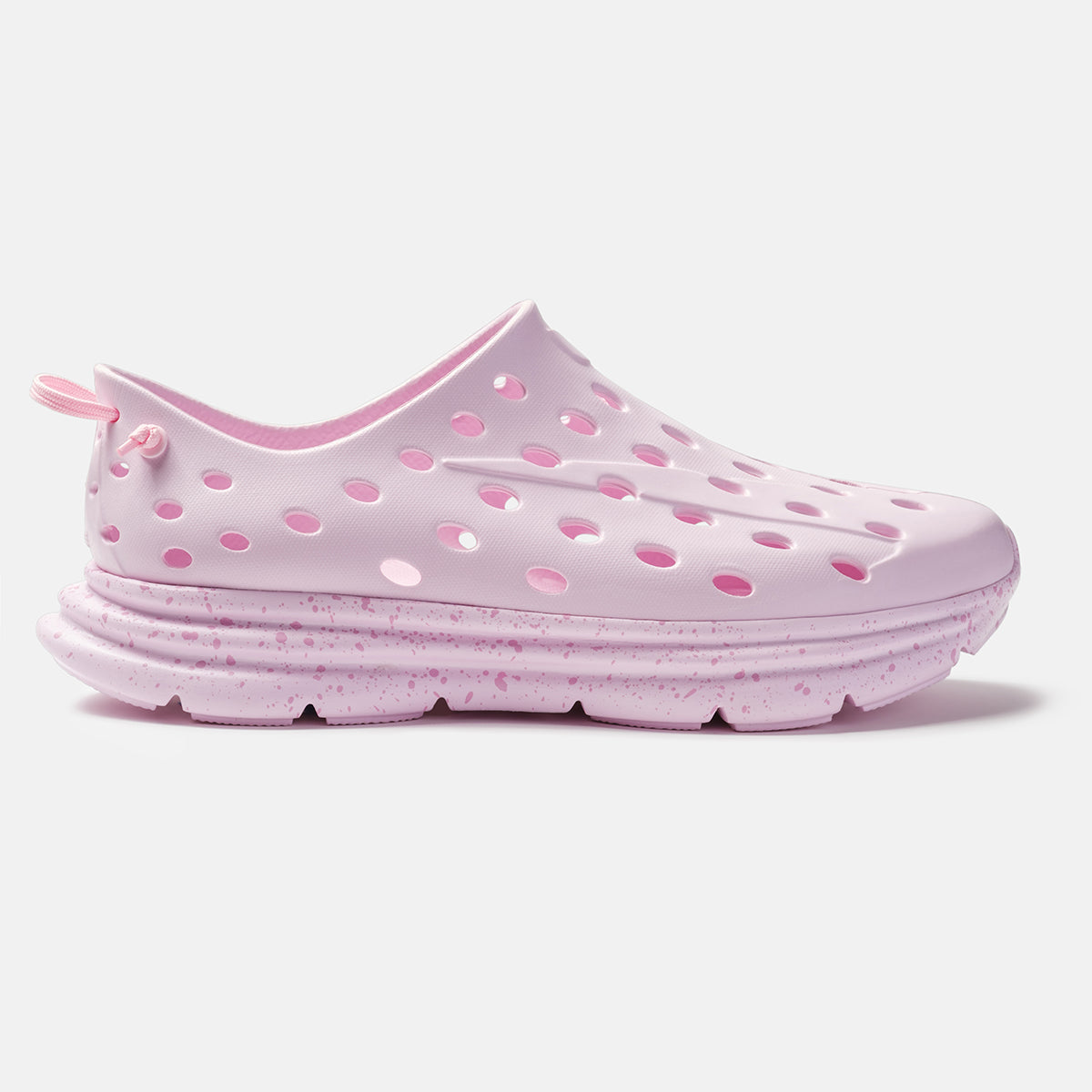
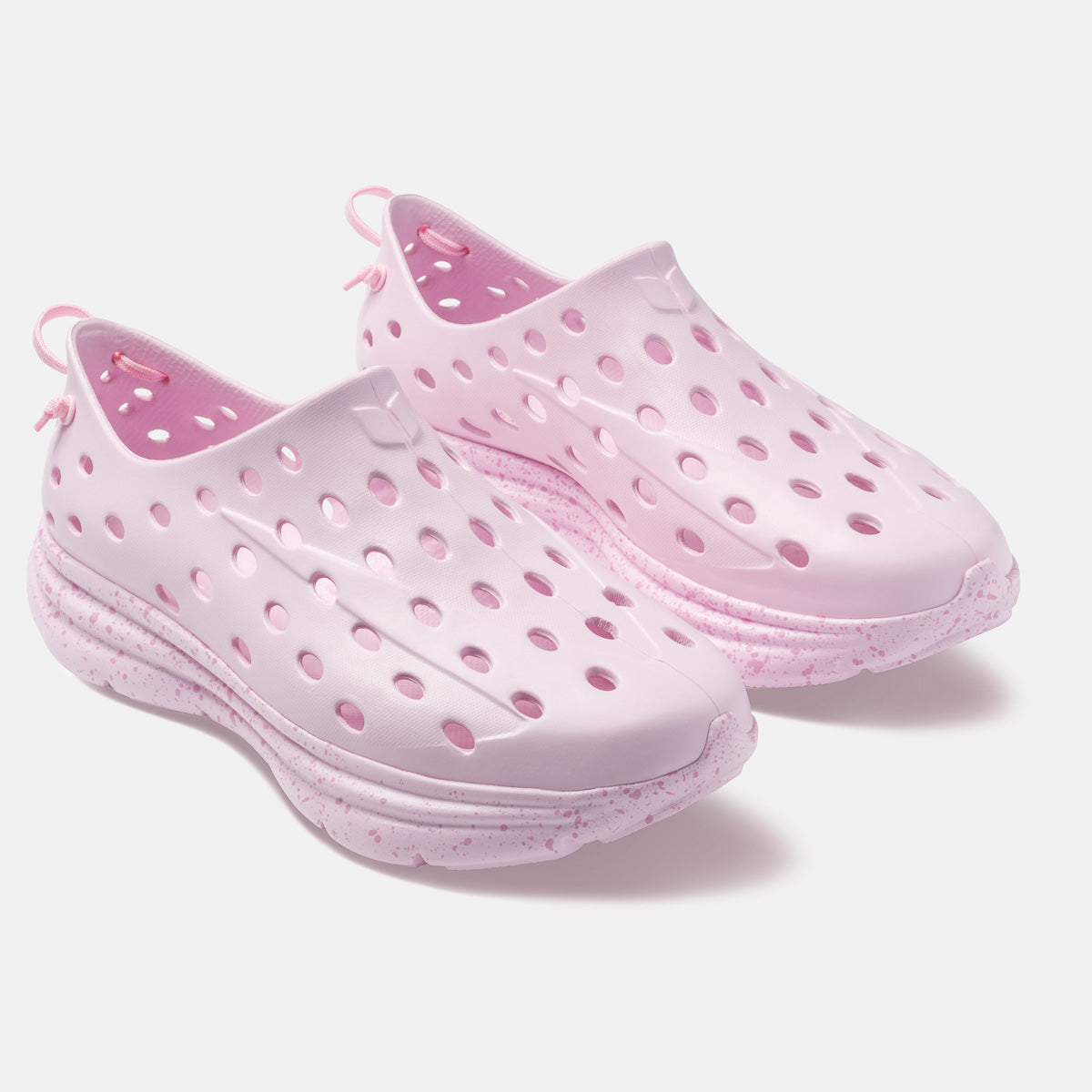
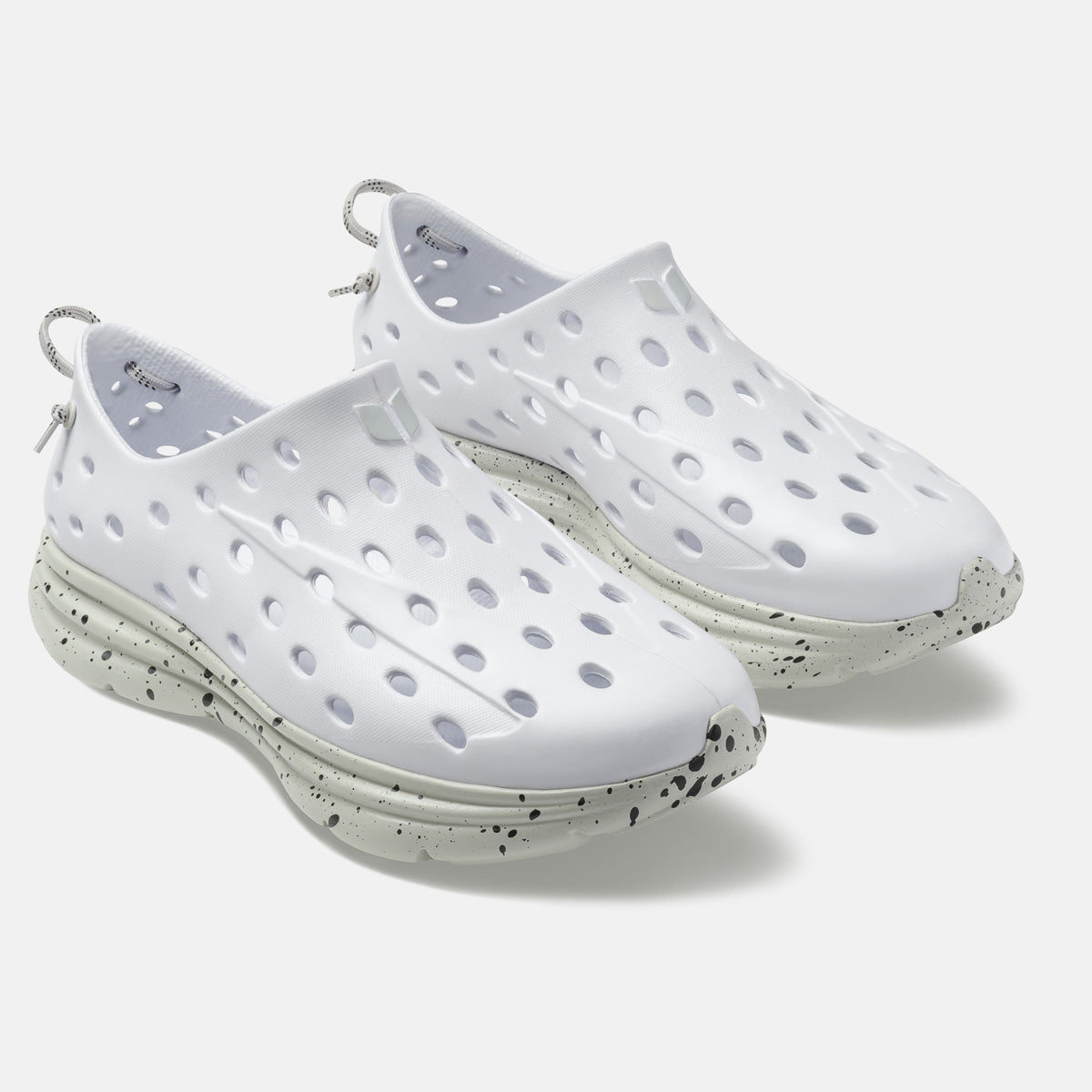
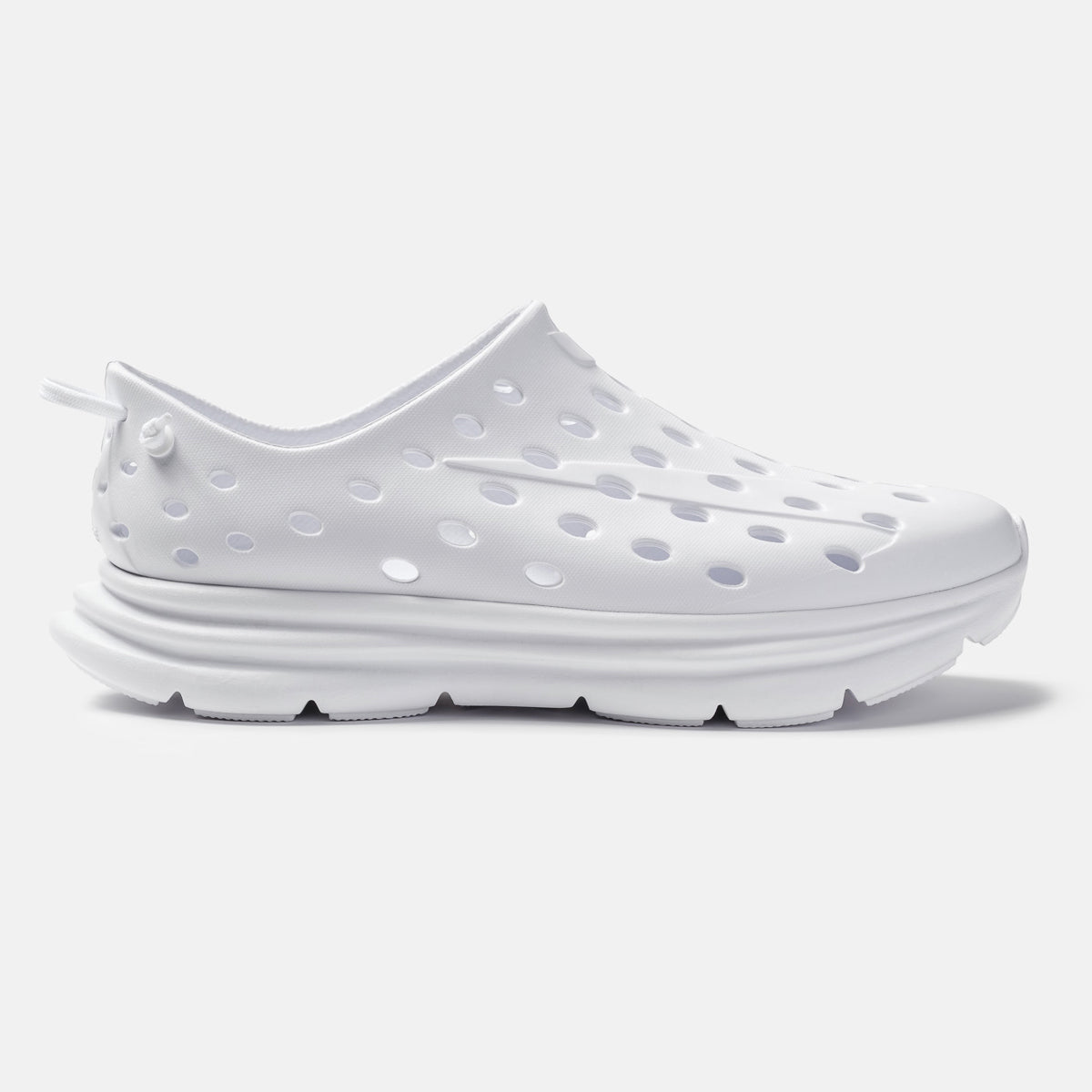
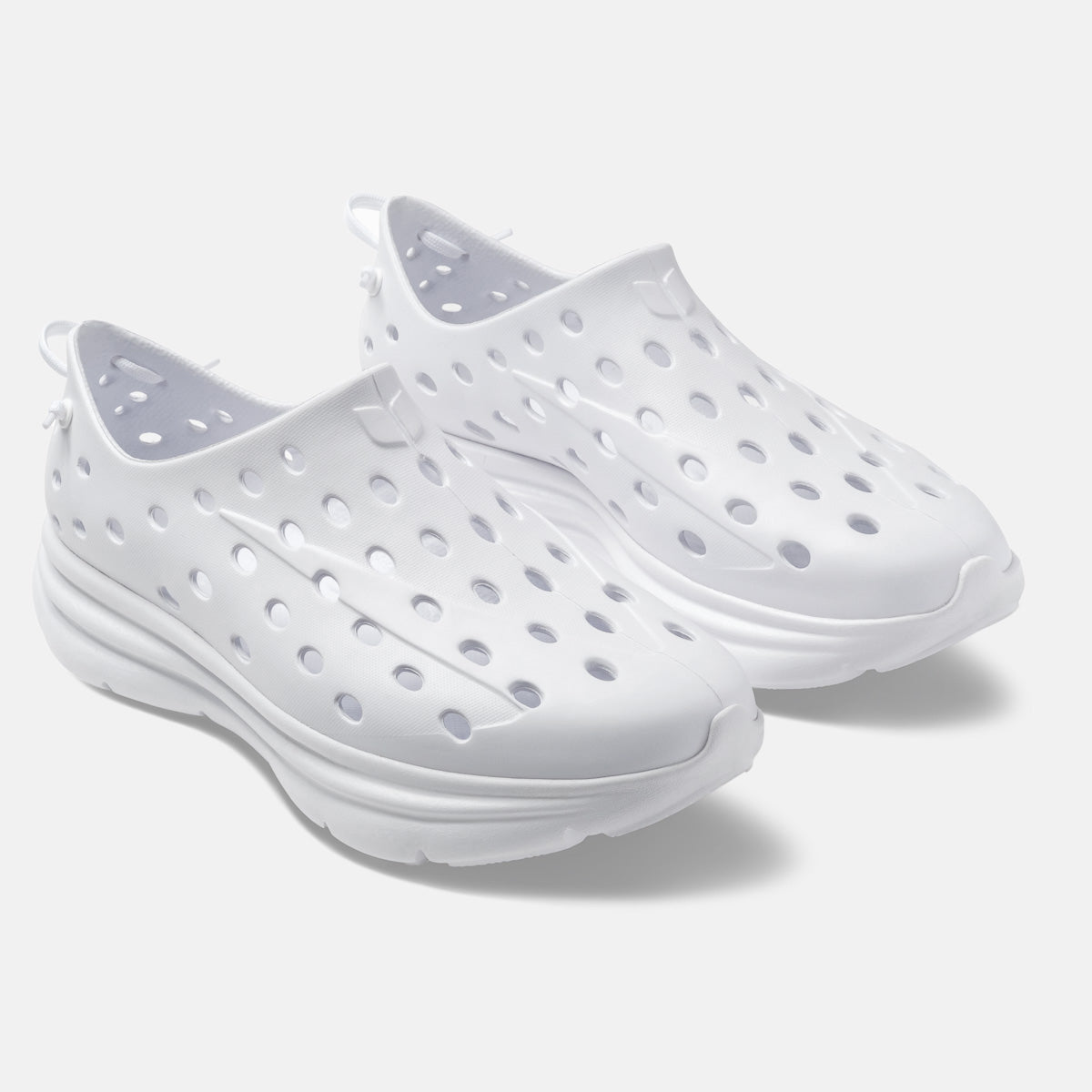
Discover Kane recovery shoes!
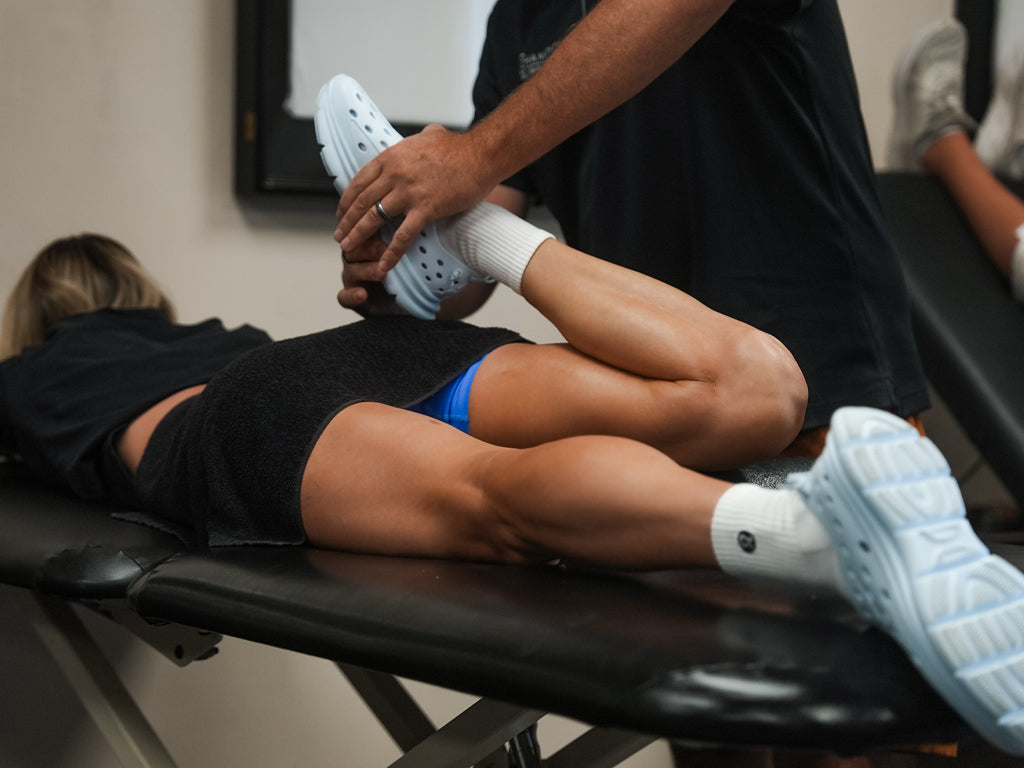
While the primary strategies for managing delayed onset muscle soreness include active recovery, nutrition, and other evidence-based techniques, supportive footwear can be a vital part of your recovery toolkit. By providing extra cushioning and arch support, these shoes can reduce foot fatigue and provide comfort when your muscles are sore—especially after leg-intensive workouts.
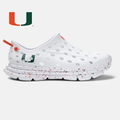
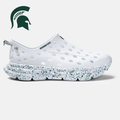
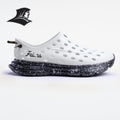
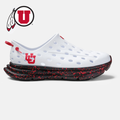
Kane's recovery shoes provide excellent support, comfort, and durability for those in need of top-notch recuperative footwear. Featuring an adjustable hook-and-loop single-strap synthetic upper, plush TPR footbed, and durable injected EVA outsole, these kicks come with all the right features to assist you during your rehabilitation journey.
Aside from providing quality products, they’re also committed to sustainability. They’ve become a Certified B Corporation while dedicating 1% of their overall profits to environmental charities.
When and how to wear Kane Revive
The best moment to wear most recovery shoes is directly after a strenuous activity such as running or weight training. To guarantee maximum comfort and effective recovery, ensure you wear your footwear correctly by tying up laces securely for a snug fit around your feet.
Switching to Kane's supportive footwear immediately after your workout gives your sore muscles the structural support they need.
Creating your personal DOMS prevention strategy
Delayed onset muscle soreness is part and parcel of intense or unfamiliar exercise, but just because you can't completely prevent it doesn't mean it has to derail your training. You can make it much less severe and frequent by preparing properly and implementing smart training methods and effective recovery techniques. DOMS should become less common and intense as your body adapts, putting you in the best possible position for your next challenge.
Frequently asked questions
How do you get rid of DOMS quickly?
To quickly reduce delayed onset muscle soreness, focus on active recovery, such as light cardio, stretching, and foam rolling. Applying heat or cold therapy and staying hydrated can also speed up recovery. Gentle massages and proper rest can help ease the discomfort and promote blood flow.
Does a cooldown prevent DOMS?
While cooling down after exercise, including light aerobic activity or stretching, can help your body gradually return to its resting state and may improve flexibility and comfort, research shows it doesn’t reliably prevent delayed onset muscle soreness. Most studies have found little to no difference in muscle soreness between people who perform a cooldown and those who don’t. While cooldowns are valuable for other aspects of recovery and injury prevention, don’t rely on them to prevent DOMS.
What deficiency causes DOMS?
Microscopic muscle damage from intense or unfamiliar exercise is the main cause of delayed onset muscle soreness, not vitamin or mineral deficiencies. While maintaining a balanced diet supports muscle health and recovery, there's no strong evidence that deficiencies in nutrients like magnesium, potassium, or calcium directly cause or worsen DOMS. Nutritional factors support overall muscle function, but DOMS results mainly from exercise-induced muscle fatigue and strain.
Can I prevent DOMS completely?
While you can't completely eliminate the possibility of delayed onset muscle soreness, you can minimize its severity through gradual progression in workout intensity and consistent training. Your body also adapts over time, making frequent exercisers less susceptible to severe DOMS.
Do Epsom salts help with DOMS?
Slipping into an Epsom salt bath is a soothing way to cap a workout, but the effect is more about relaxation than helping alleviate DOMS. Don’t hesitate to add Epsom salts to your recovery routine if you find them helpful and enjoyable, but don’t consider them a proven or primary strategy to prevent or ease delayed onset muscle soreness.
No content on this site should ever be used as a substitute for direct medical advice from your doctor or other qualified clinicians.