


























That familiar ache that creeps in a day after your workout isn't just your imagination. It's delayed onset muscle soreness, or what fitness enthusiasts commonly call DOMS. Understanding the DOMS timeline can help you plan your recovery and stay motivated through the discomfort, whether you're a seasoned athlete or embarking on a new fitness journey.
Muscle soreness after exercise is widespread, affecting everyone from Olympic athletes to weekend warriors. Most active individuals will experience a degree of DOMS at some point during periods of increased training intensity. Learn the answer to "How long does DOMS last?" and ways to help relieve it so you can get back on track.
What is delayed onset muscle soreness?
Delayed onset muscle soreness describes the stiffness and muscle pain that develops hours after completing unaccustomed or challenging exercise. Unlike acute pain that happens during activity, onset muscle soreness DOMS typically begins 12‑24 hours post‑exercise, peaks around 24‑72 hours, and gradually subsides over the following days.
The primary cause of DOMS is exercise‑induced muscle damage at the microscopic level. When you perform unfamiliar movements or increase the intensity of your workout, you create tiny tears in your muscle fibers. These microtears trigger an inflammatory response as your body repairs and adapts to handle similar stresses in the future.
Common symptoms of DOMS include:
- Tender, aching muscles when touched or moved
- Stiffness and reduced range of motion
- A temporary decrease in muscle strength
- Mild swelling in the affected area
It's important to distinguish DOMS from acute injuries. While DOMS represents a normal physiological response to challenging physical activity, sharp, sudden, or debilitating pain could indicate something requiring medical attention.
How long does DOMS typically last?
The million‑dollar question: How long does DOMS last? For most people, DOMS follows a relatively predictable timeline:
- Hours 0‑12: Little to no discomfort immediately after exercise
- Hours 12‑24: Mild stiffness and tenderness begins
- Hours 24‑72: Peak pain, often described as a persistent ache
- Days 3‑5: Gradual improvement as recovery progresses
- Days 5‑7: Complete resolution for most individuals
Factors affecting DOMS duration
The length and intensity of your DOMS experience depends on:
- Exercise intensity and type: Eccentric contractions typically cause more severe and prolonged DOMS.
- Fitness level: Beginners often experience more intense and longer‑lasting DOMS.
- Hydration and nutrition: Proper fluid intake and optimal nutrition support faster recovery.
- Recovery practices: Cooldowns, sleep, and tools like massage influence how quickly you bounce back.
Research shows that most people's DOMS symptoms resolve entirely within five to seven days, with the majority experiencing significant relief by day four. However, individuals new to exercise or returning after a long break might feel sore muscles for up to 10 days following particularly challenging sessions.
What causes DOMS?
The primary culprit behind delayed onset muscle soreness is eccentric muscle contractions—movements where your muscles lengthen while under tension. These contractions create more muscle damage than concentric or isometric contractions. Examples include:
- Downhill running
- Lowering weights (downward phase of bicep curls, squats, etc.)
- Plyometric exercises (jumping movements)
- Downward movements in yoga or bodyweight training
Contrary to popular belief, lactic acid isn't responsible for DOMS. Instead, DOMS results from the microtears, subsequent inflammatory response, and sensitization of nerve endings. A phenomenon called the "repeated bout effect" means that performing the same exercise routine again within several weeks typically results in less severe DOMS.
The DOMS recovery timeline
Hours 0‑24: Initial fatigue
Minimal soreness but noticeable fatigue. Early repair processes and increased blood flow to muscles begin.
Hours 24‑72: Peak soreness
- Noticeable stiffness after rest periods
- Tender, aching muscles
- Reduced range of motion and strength
Days 3‑5: Gradual improvement
- Decreasing tenderness
- Improved mobility
- Returning strength and function
Days 5‑7: Complete recovery
Most individuals experience full relief by day seven as muscles adapt and repair.
Evidence‑based ways to reduce DOMS duration
Active recovery
Light movement boosts blood flow and speeds healing. Try:
- 15‑20 minutes of walking or gentle cycling
- Swimming or mobility‑focused yoga
Proper nutrition and hydration
- 20‑40 g of protein within two hours post‑exercise
- Plenty of fluids; aim for pale‑yellow urine
- Anti‑inflammatory foods like cherries, berries, and fatty fish
Quality sleep
Aim for seven to nine hours nightly to maximize hormonal recovery processes.
Compression clothing
Graduated compression worn for several hours post‑exercise can decrease soreness and speed strength recovery.
Temperature therapy
- Ice packs: 15‑20 min sessions in the first 48 hours
- Hot baths: Warm soaks after 48 hours to relax tight muscles
Foam rolling & gentle massage
- Roll five to 10 minutes post‑workout and on peak‑DOMS days
- Use light pressure massage to improve circulation
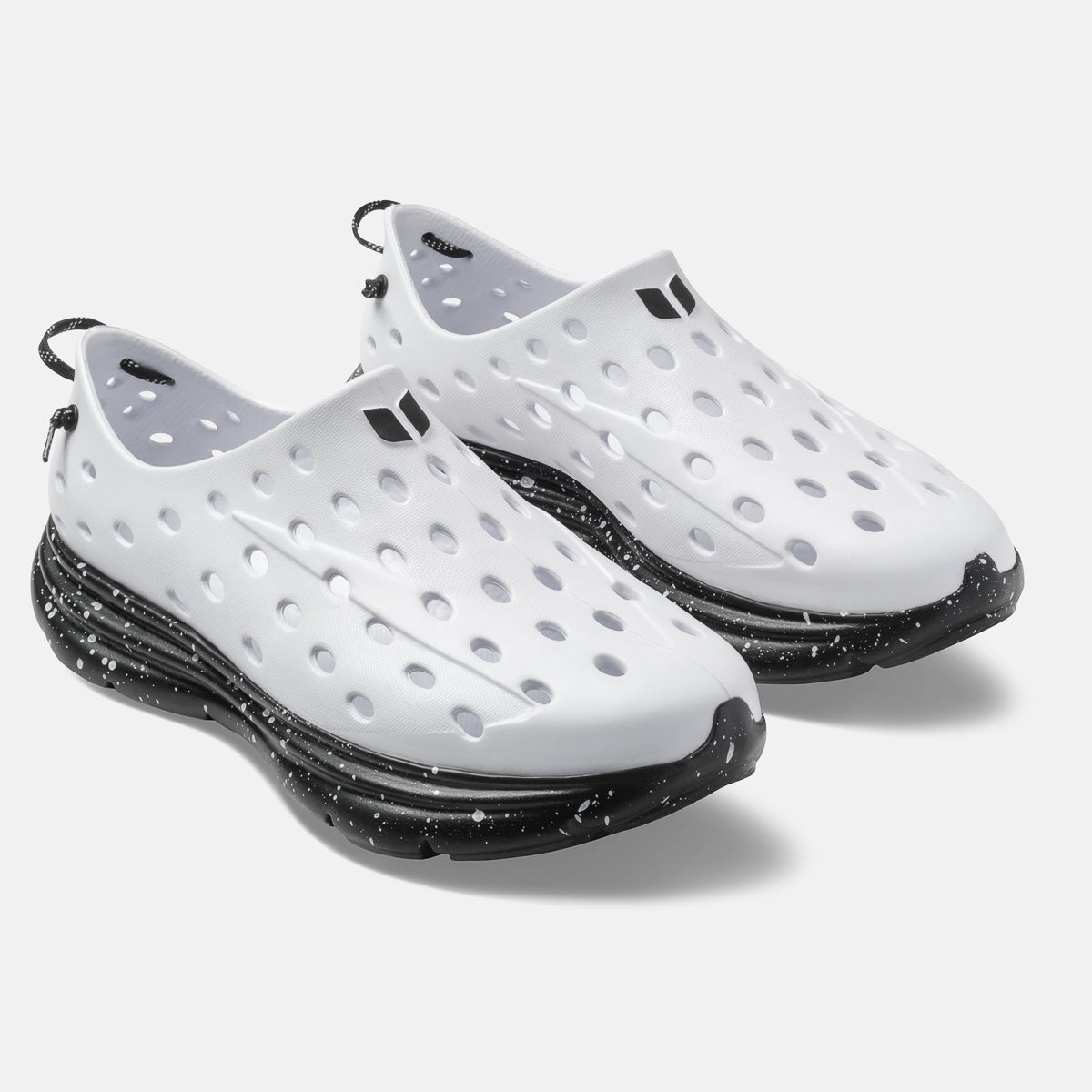
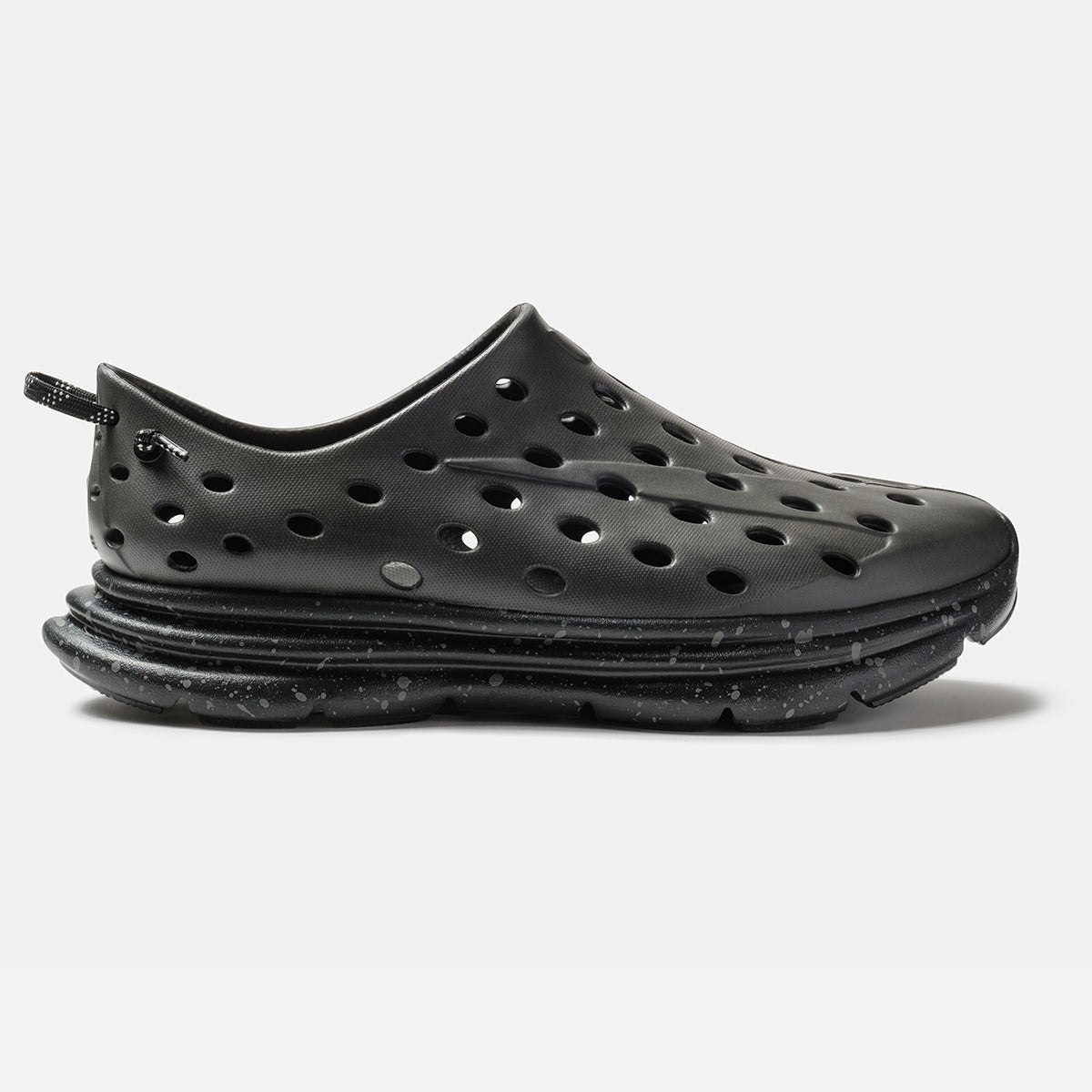
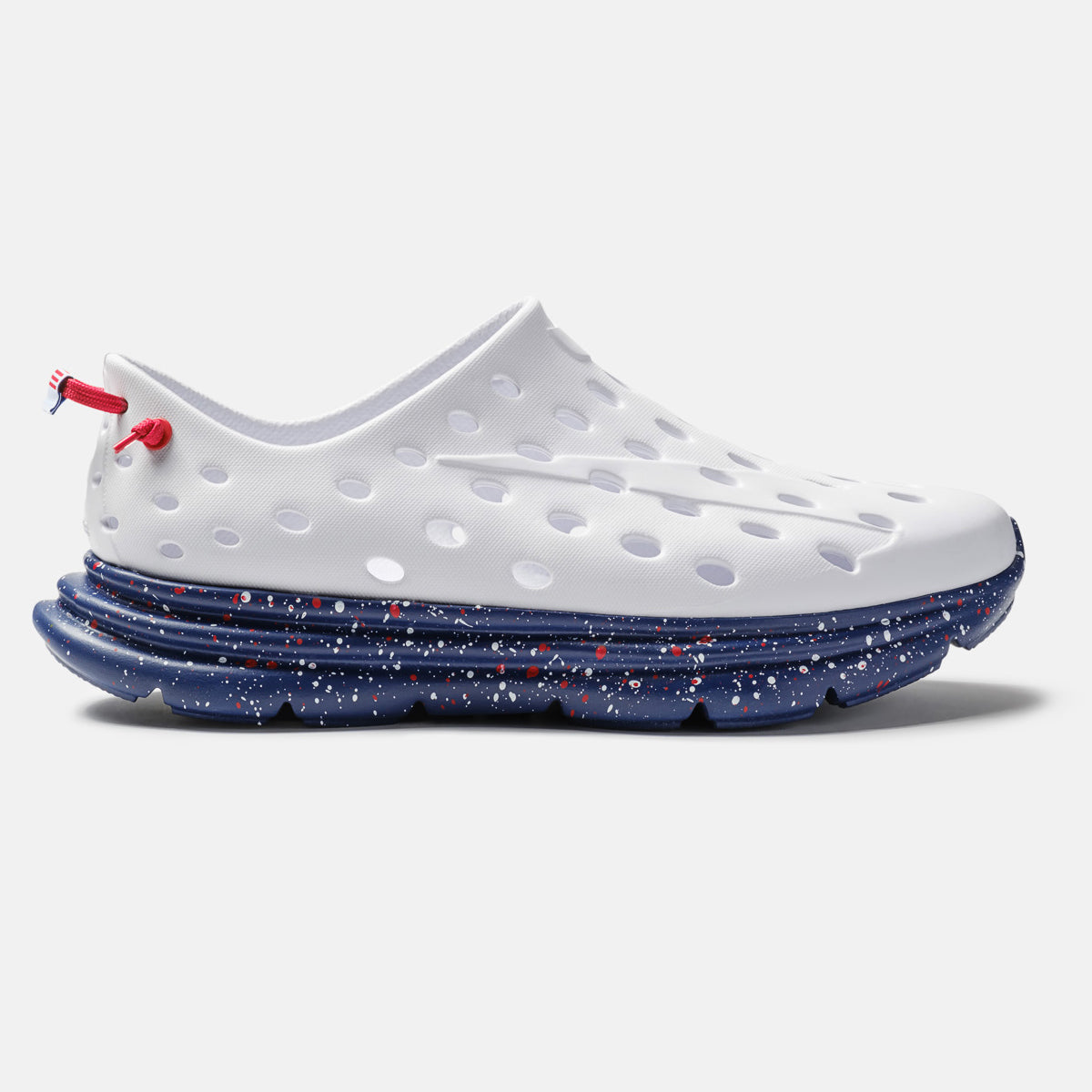
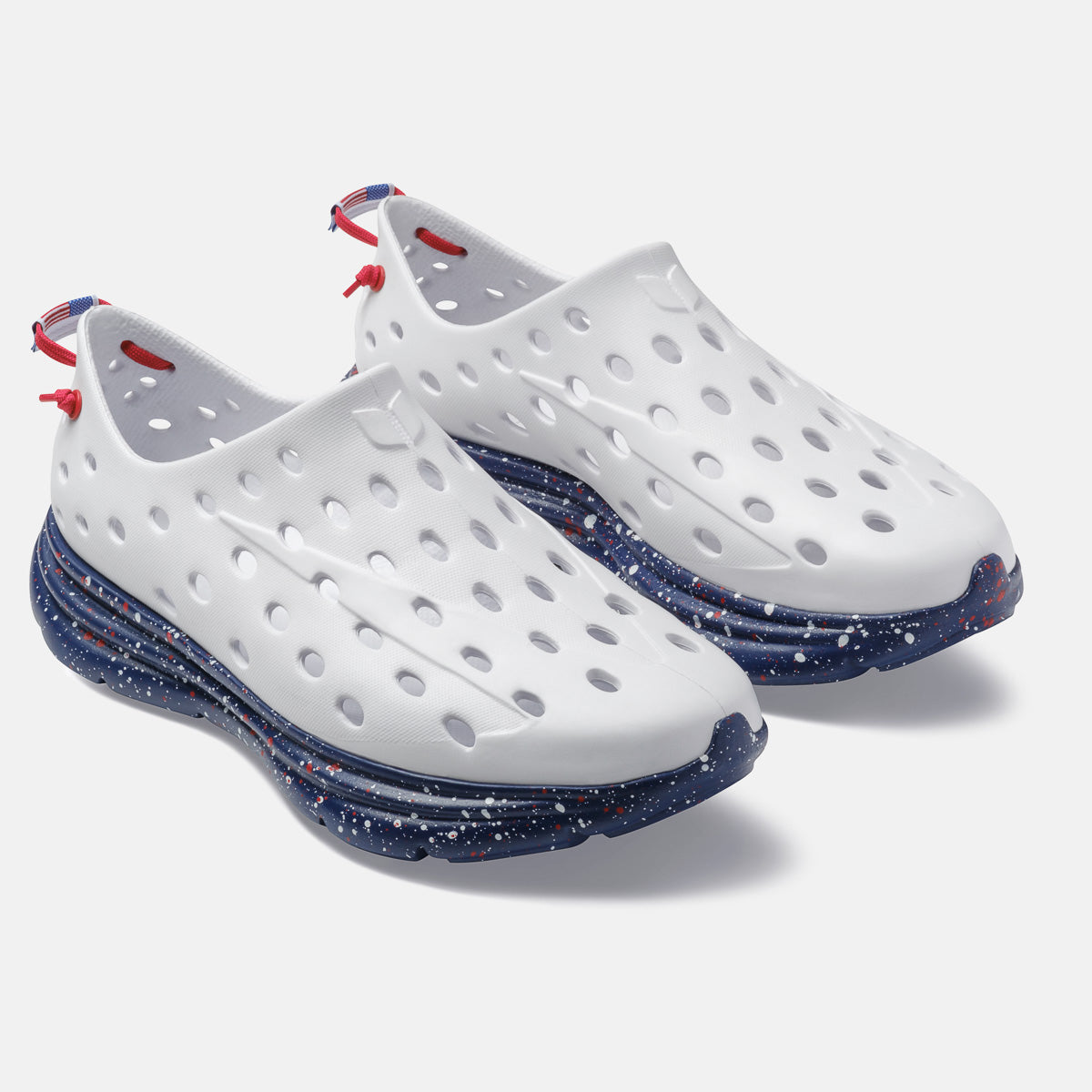
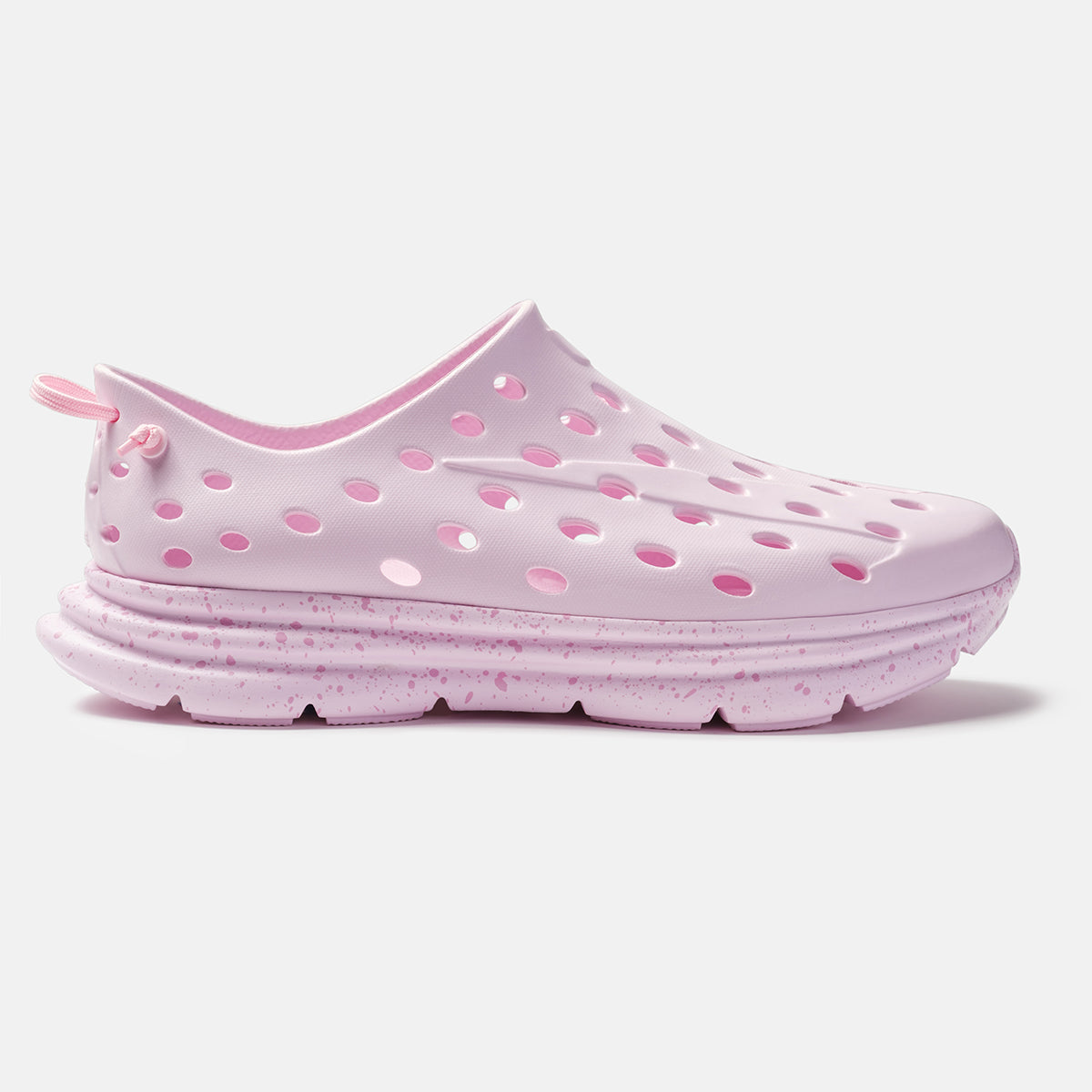
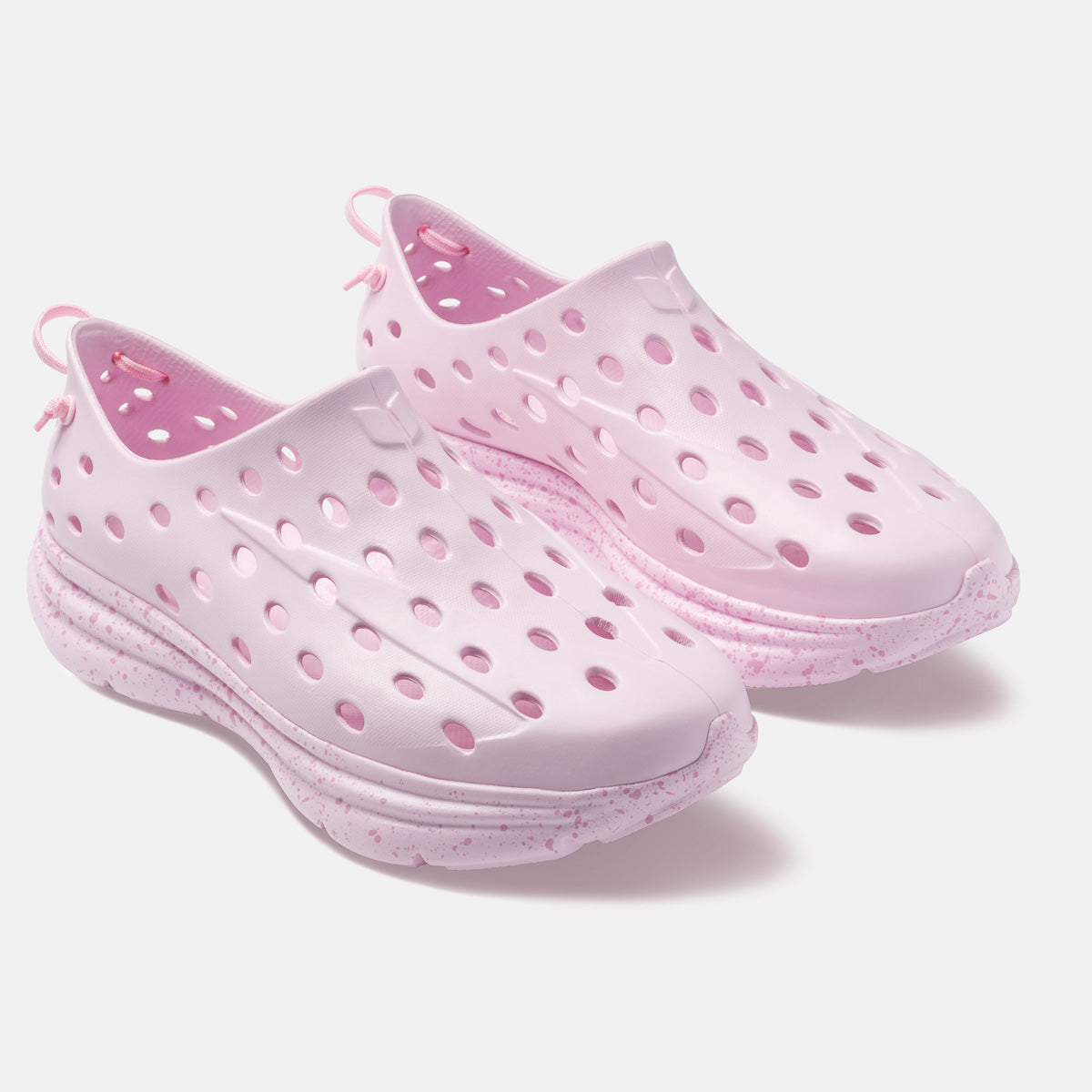
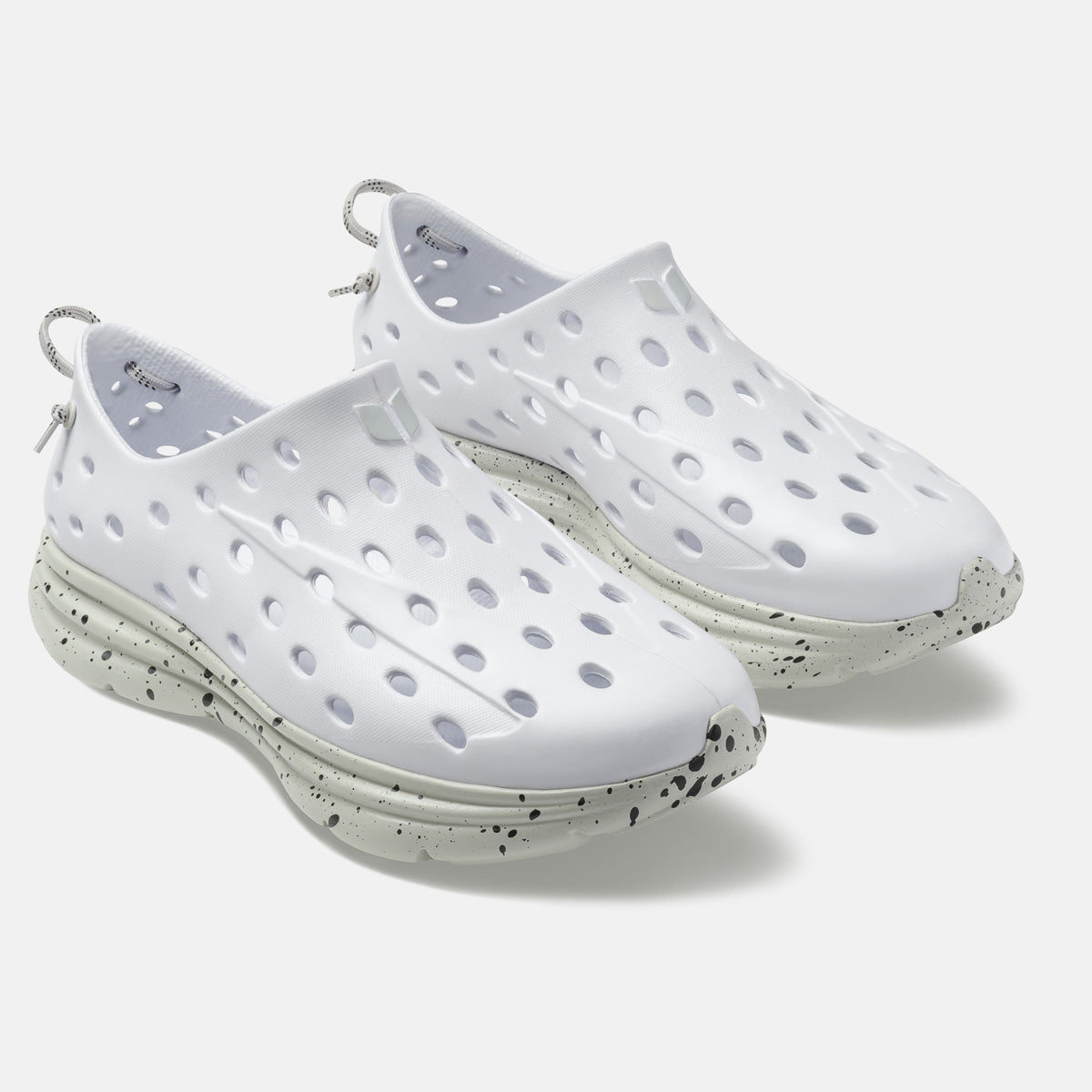
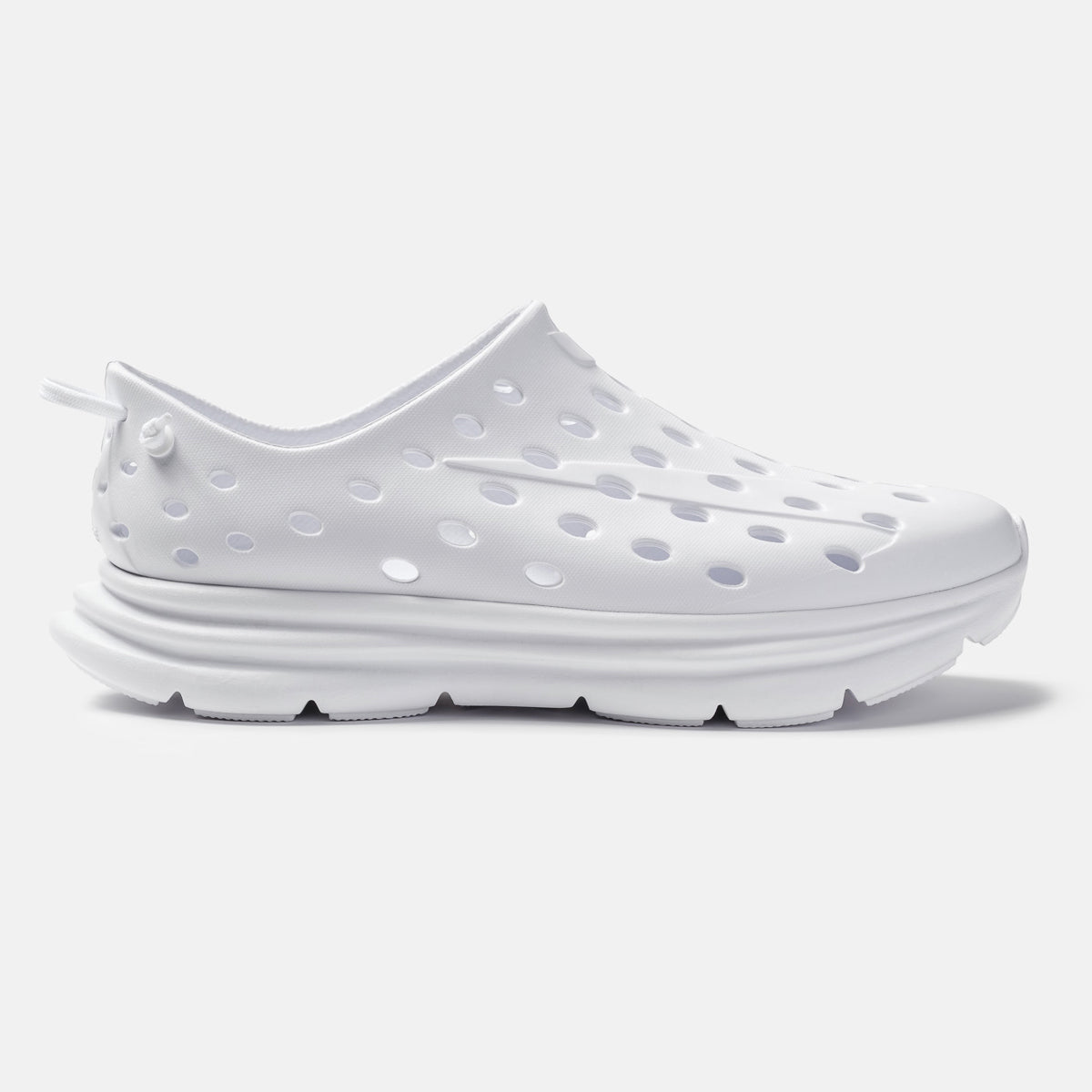
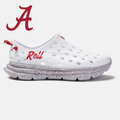
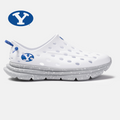
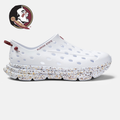
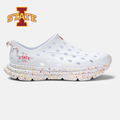
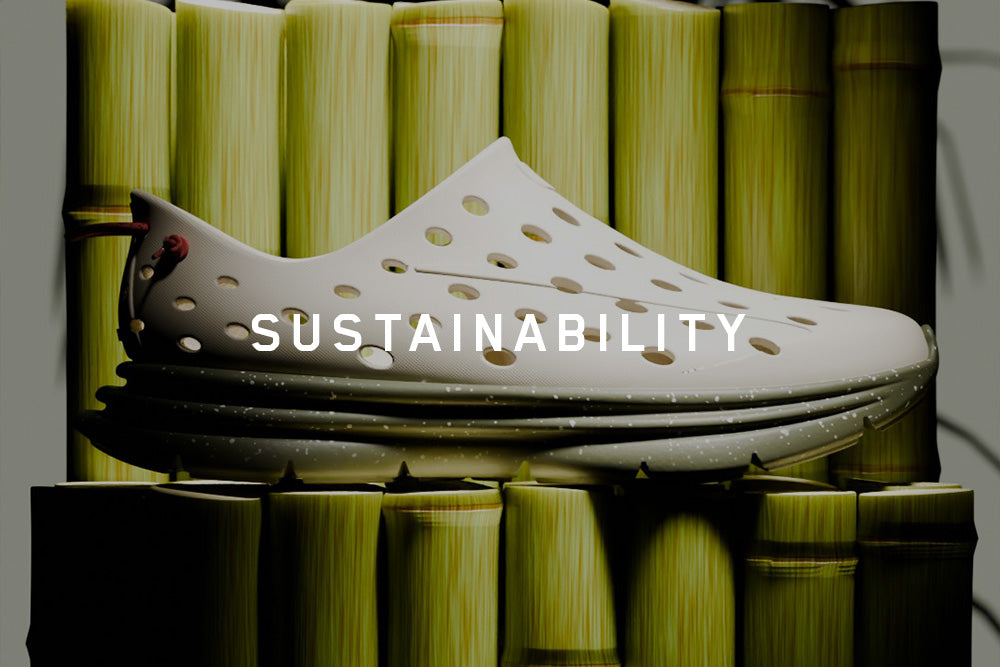
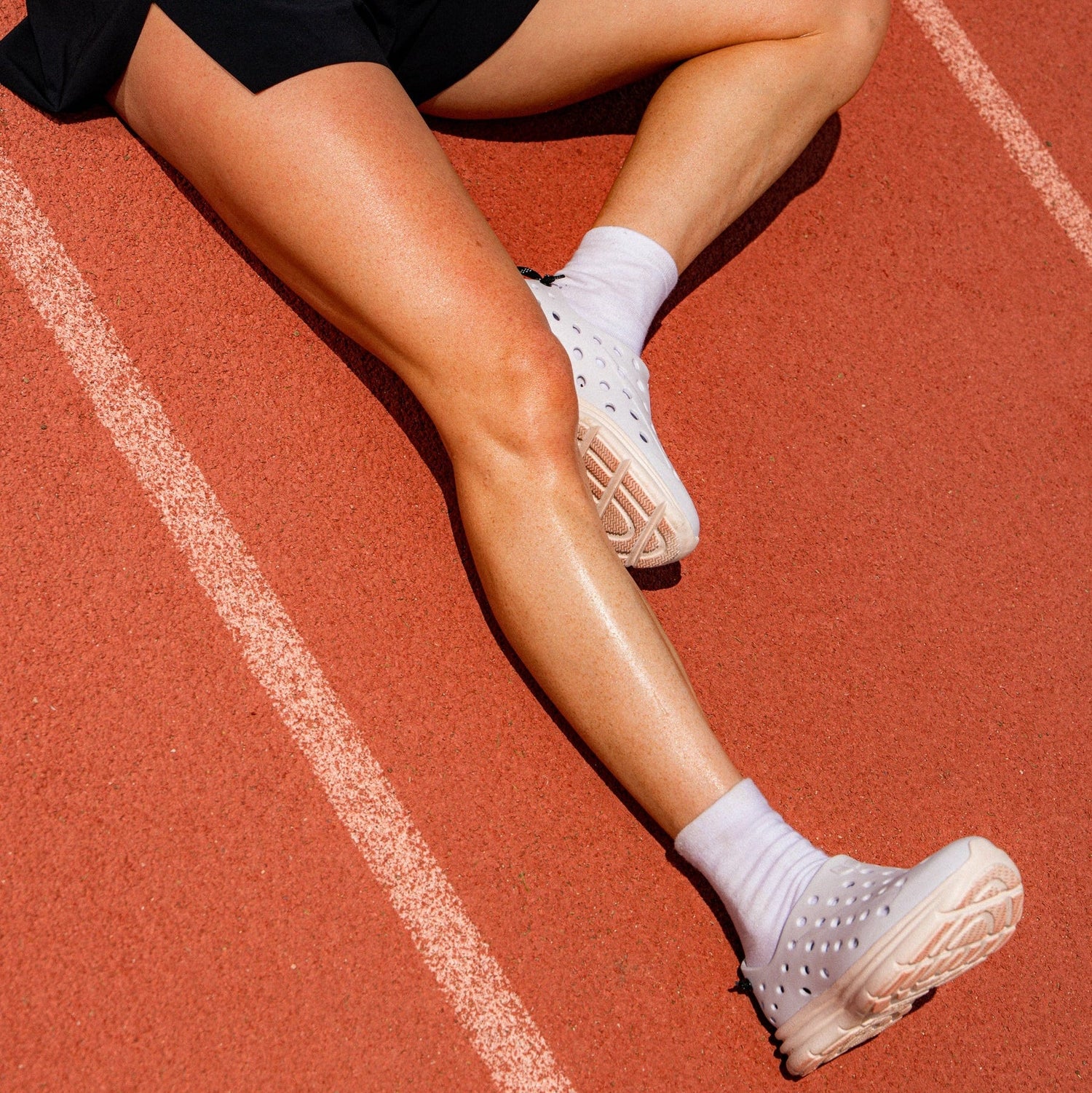
Discover Kane Recovery Shoes!
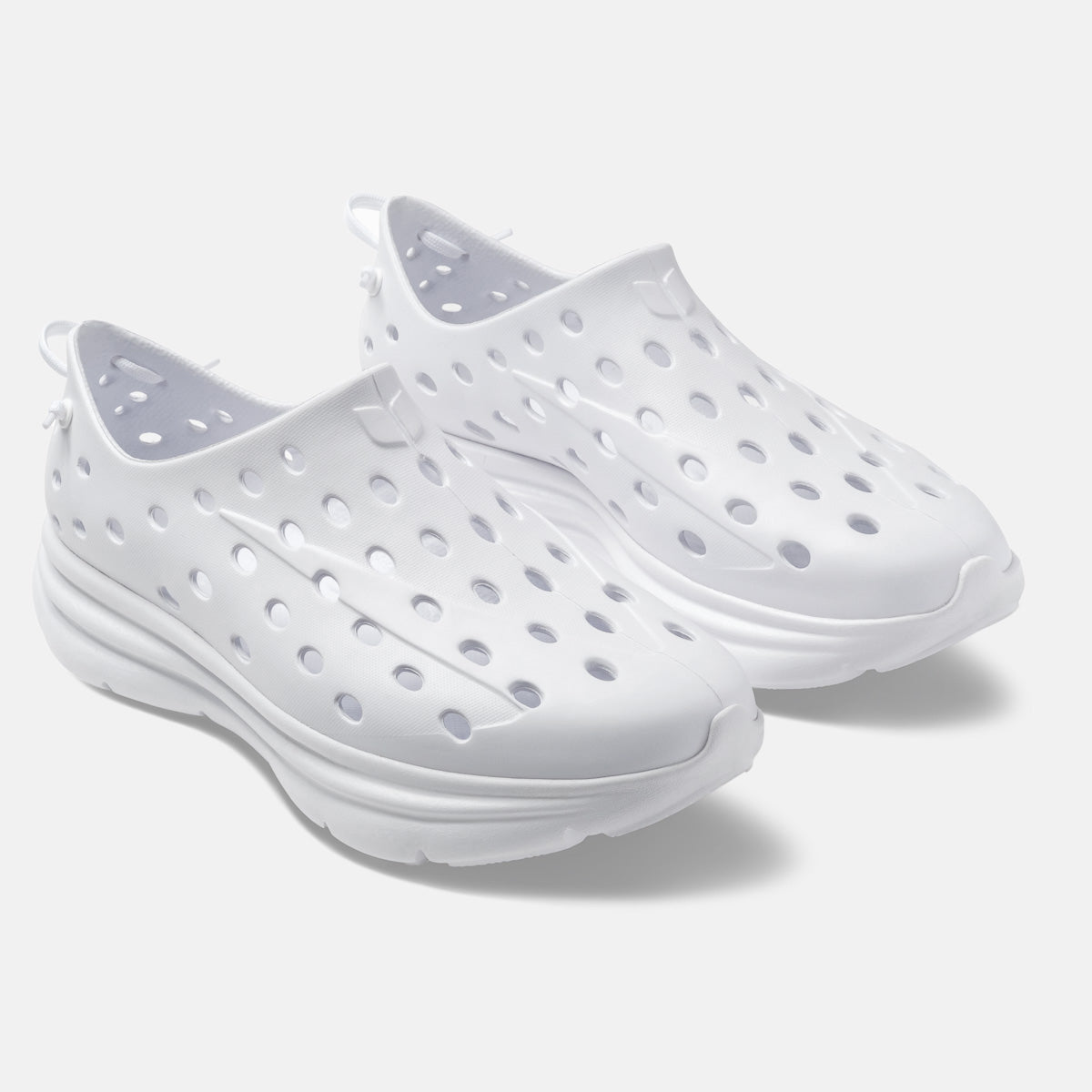
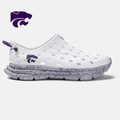
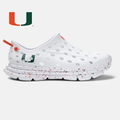
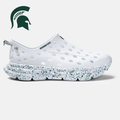
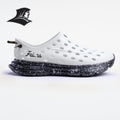
Specialized recovery footwear offers unique benefits that complement other DOMS strategies. Kane's recovery shoes provide excellent support, comfort, and durability with an adjustable hook‑and‑loop single‑strap upper, plush TPR footbed, and durable injected EVA outsole.
As a Certified B Corporation, Kane donates 1% of profits to environmental charities.
When and how to wear Kane Revive
Wear recovery shoes immediately after strenuous activity to reduce stress on fatigued muscles. Ensure a snug strap fit for maximum comfort.
When to be concerned about muscle soreness
- Severe pain preventing daily activities
- Swelling or redness
- Pain worsening after day three
- Dark‑colored urine
- Progressive weakness
How to incorporate DOMS management into your fitness routine
- Increase training load by ≤10% weekly
- Warm up dynamically for five to 10 minutes
- Cool down for five to 10 minutes post‑workout
- Schedule recovery days between intense sessions
- Use periodization for long‑term progress
Embracing DOMS as part of your fitness journey
DOMS typically lasts three to five days, but smart recovery keeps you on track. Mild soreness signals effective challenge; persistent extreme pain signals change is needed. Implement active recovery, nutrition, sleep, and supportive footwear to minimize downtime and maximize gains.
Frequently asked questions
How do you get rid of DOMS quickly?
Combine light movement, balanced protein‑rich meals, hot baths or contrast therapy, gentle massage, compression clothing, and quality sleep.
Why am I still sore four days after working out?
Possible reasons include particularly intense or novel movements, inadequate recovery, dehydration, age, or overtraining. Seek medical advice if pain persists beyond a week.
Is DOMS worse on day three?
DOMS often peaks on day two or three due to inflammatory timelines. Severity varies by exercise type, muscle groups, and recovery practices.
Is it OK to work out with DOMS?
- Mild soreness: Light movement and reduced weights are fine.
- Moderate soreness: Active recovery or alternate muscle groups.
- Severe soreness: Rest or gentle mobility work to prevent injury.
No content on this site should ever be used as a substitute for direct medical advice from your doctor or other qualified clinicians.