





















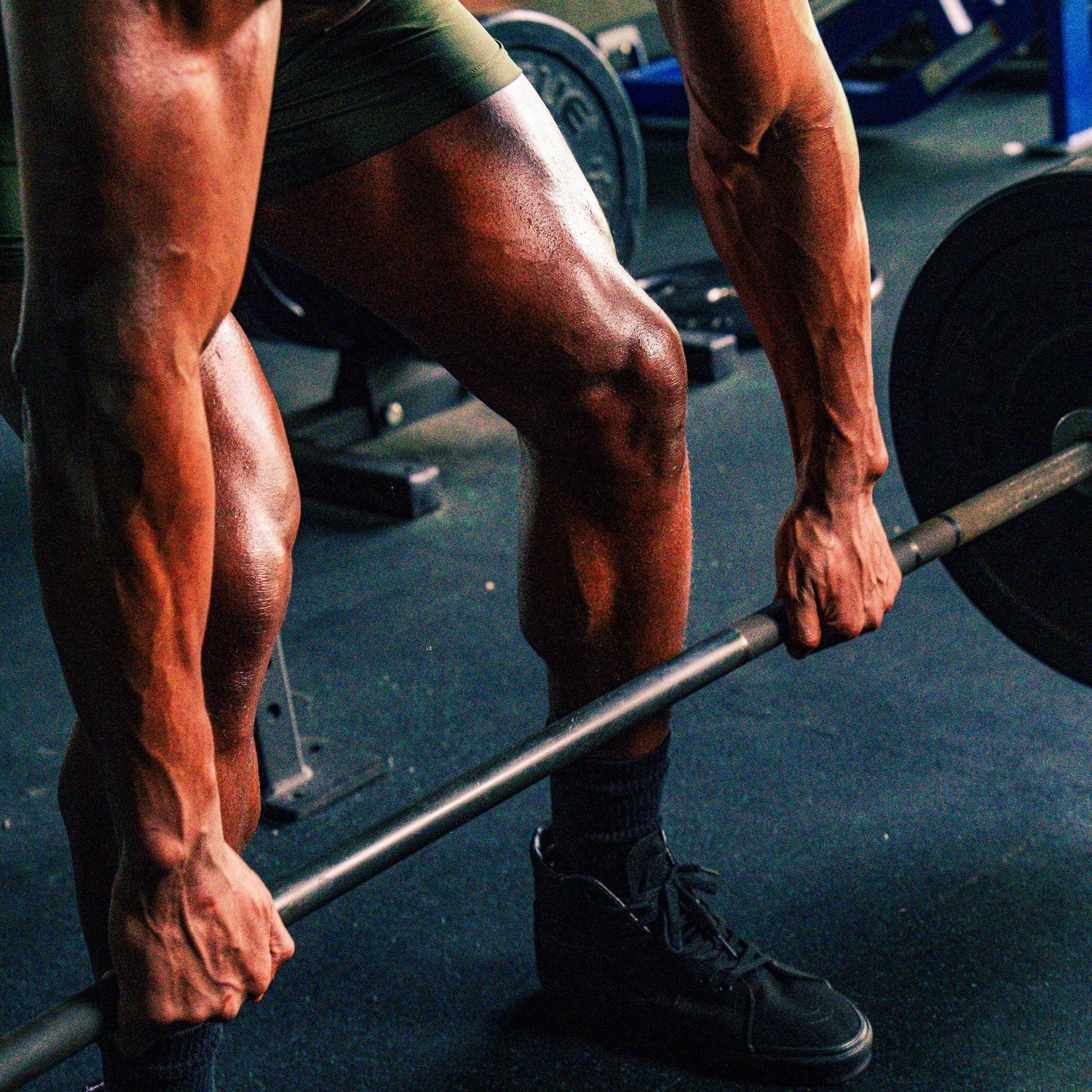
When the simple act of sitting down becomes a wincing challenge the day after leg day, you've entered the familiar territory of DOMS. Whether you're a seasoned athlete or a fitness newcomer, understanding when to push through delayed onset muscle soreness and when to rest is crucial to maximizing results while preventing setbacks. The right approach can mean the difference between steady progress and frustrating injury cycles.
Delayed onset muscle soreness presents a genuine training dilemma. The answer isn't one-size-fits-all, and making the right choice matters. Let's explore when to train through muscle soreness, when to take a break, and how to optimize your muscle recovery.
What exactly is delayed onset muscle soreness?
Delayed onset muscle soreness refers to the discomfort that typically develops 24 to 48 hours after exercise. Unlike the immediate burn you might feel during a challenging workout, DOMS arrives late to the party.
This phenomenon occurs due to micro muscle tears during exercise, particularly from eccentric muscle contractions—movements where muscles lengthen under tension, like lowering into a squat. These tiny tears in muscle tissue trigger an inflammatory response as your body begins the repair process.
These microscopic tears are beneficial in the long term, as they signal your body to adapt and build stronger muscle fibers during recovery. However, this natural adaptation process can temporarily impact your performance and comfort.
Common characteristics of DOMS include:
- Muscle stiffness and tenderness to touch
- Temporary reduction in range of motion
- Swelling in the affected area
- Decreased strength in the affected muscles
It’s essential to distinguish DOMS from acute pain. While DOMS presents as a dull, aching sensation that peaks post-exercise, acute pain is sharp and immediate and can indicate an injury requiring medical attention.
Contrary to popular belief, DOMS isn't caused by lactic acid buildup. Lactic acid typically clears from your muscles within an hour after exercise, while DOMS symptoms don't peak until a day or two later.
When it's generally OK to work out with muscle soreness
Mild to moderate DOMS doesn't necessarily demand a complete training hiatus. In fact, light physical activity can often help alleviate soreness by increasing blood flow to sore muscles.
Research supports the benefits of active recovery during periods of muscle soreness. Gentle movement helps:
- Increase blood flow to damaged muscle tissue
- Clear inflammatory byproducts
- Improve nutrient delivery to recovering muscles
The key is modifying your approach. When experiencing moderate DOMS, consider these active recovery options:
- Low-intensity cardio (walking, swimming, or cycling)
- Light resistance training with reduced weights
- Mobility work focusing on the sore areas
Another effective strategy is to train different muscle groups while allowing sore muscles to recover. For example, if your lower body is recovering from a challenging workout, you might focus on upper-body exercises during your next session.
Listen to your body throughout any workout. If DOMS pain increases significantly during movement, it's a signal to dial back the intensity or stop altogether.
When you should skip your workout ahead
While some soreness is manageable, certain scenarios warrant skipping or significantly modifying your workout. Signs you should rest instead of work out include:
- DOMS that doesn't improve after 48 hours
- Pain that feels sharp rather than dull and achy
- Extreme muscle stiffness limiting basic movements
- Asymmetrical soreness (one side much worse than the other)
- Pain that radiates or travels
Severe DOMS that substantially limits your range of motion creates a higher injury risk. When muscles can't move fully, your body may compensate by altering movement patterns, potentially putting stress on other structures.
It can also temporarily reduce muscle coordination and reaction time, making technical movements particularly risky. Experts typically advise against complex movements requiring control when experiencing significant discomfort.
Remember that occasional rest is essential for long-term progress. Consistent overtraining can affect overall health and diminish results by increasing injury risk and potential burnout.
Smart strategies for training with sore muscles
Warm up properly
A thorough warm-up is especially crucial when training with muscle soreness. Spend 10 to 15 minutes gradually increasing circulation to sore muscles through light cardio and dynamic stretching (e.g., lunges with rotation, arm and hip circles, leg swings). These movements increase blood flow, elevate tissue temperature, and temporarily reduce stiffness.
Avoid static stretching before your workout, as this might further stress already damaged muscle fibers.
Modify intensity and volume
Adjust your expectations and training variables when working with sore muscles:
- Reduce weights by 20 to 30% from your typical working weight
- Decrease total sets and repetitions
- Extend rest periods between sets
Making modifications keeps the training going while accommodating your body's recovery needs.
Incorporate active recovery techniques
Integrate recovery-focused activities into your training when managing DOMS:
- Light stretching between sets
- Controlled movement through full range of motion
- Self-myofascial release techniques like foam rolling
These methods help increase blood flow to recovering tissues without adding excessive stress.
Consider alternative training methods
Different training approaches naturally complement recovery days:
- Swimming provides resistance while reducing the impact on sore muscles
- Cycling offers cardiovascular benefits with limited eccentric stress
- Yoga improves mobility while promoting relaxation
These activities maintain fitness momentum while giving intensely worked muscles time to heal.
Recovery methods to reduce DOMS’ impact
Eating a balanced diet
Your diet plays a crucial role in how quickly you bounce back from muscle soreness:
- Consume protein within 30 minutes post-workout (0.25 to 0.3 grams per kilogram of body weight)
- Include anti-inflammatory foods like fatty fish, turmeric, and berries
- Stay adequately hydrated to support nutrient transport and waste removal
Eating a balanced diet and staying hydrated supports tissue repair and helps combat muscle inflammation.
Physical recovery techniques
Several hands-on approaches can help minimize DOMS:
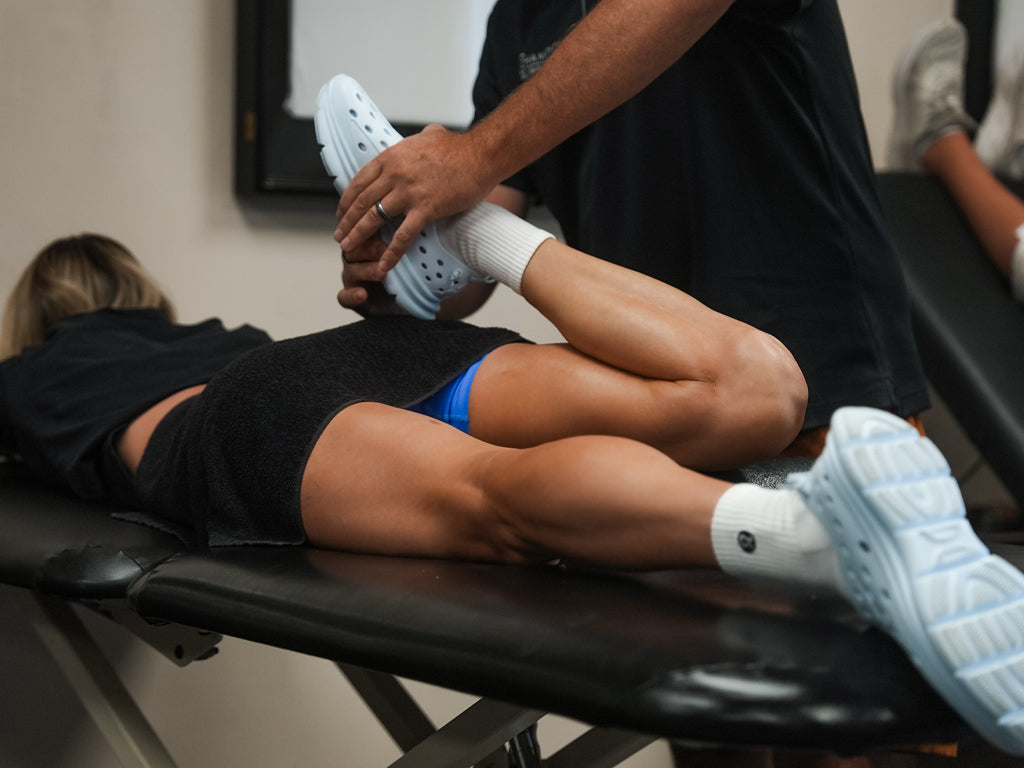
- Gentle massage helps increase blood flow without further damaging tissues
- Compression clothing may reduce swelling and support blood vessels
- Contrast therapy alternating between cold and hot bath treatments
Keep in mind that while many recommend applying ice packs to reduce inflammation, research now suggests that occasionally allowing the natural inflammatory process to unfold may benefit long-term adaptation.
While gentle massage can be beneficial, some experts recommend avoiding deep tissue massage immediately after intense exercise, as it may exacerbate damage to already stressed tissues. Talk to your practitioner to find the right approach for you.
Long-term approaches to managing muscle soreness
Progressive adaptation
Your body gradually adapts to training stimuli, resulting in less severe DOMS. This adaptation process requires:
- Consistent training frequency
- Gradual progressive overload
- Appropriate periodization
Even elite athletes experience DOMS, particularly when introducing new workout variations or after periods of reduced training.
Strategic programming
Smart programming principles that help prevent excessive DOMS include:
- Gradually introducing new workout patterns
- Implementing appropriate training splits for recovery between sessions
- Planning rest days strategically throughout your training week
The goal isn't to eliminate DOMS entirely—some soreness signals that you're providing an effective training stimulus—but rather to manage it so it doesn't undermine consistency.
Lifestyle factors
Several lifestyle elements significantly influence DOMS severity:
- Sleep quality directly affects tissue repair rates.
- Hydration status affects cellular repair processes.
- A well-balanced diet supports recovery.
Optimizing these factors creates an environment where your body can recover from training stress efficiently.
Special considerations for different physical activity types
Strength training
Strength training typically causes more pronounced DOMS due to its emphasis on eccentric loading. Strategies for managing soreness from resistance training include:
- Split routines targeting different muscle groups on separate days
- Varying rep ranges and intensities periodically
- Gradually introducing new exercises rather than wholesale program changes
For newcomers to strength training, starting with one to two sets per exercise can significantly reduce initial DOMS.
Endurance activities
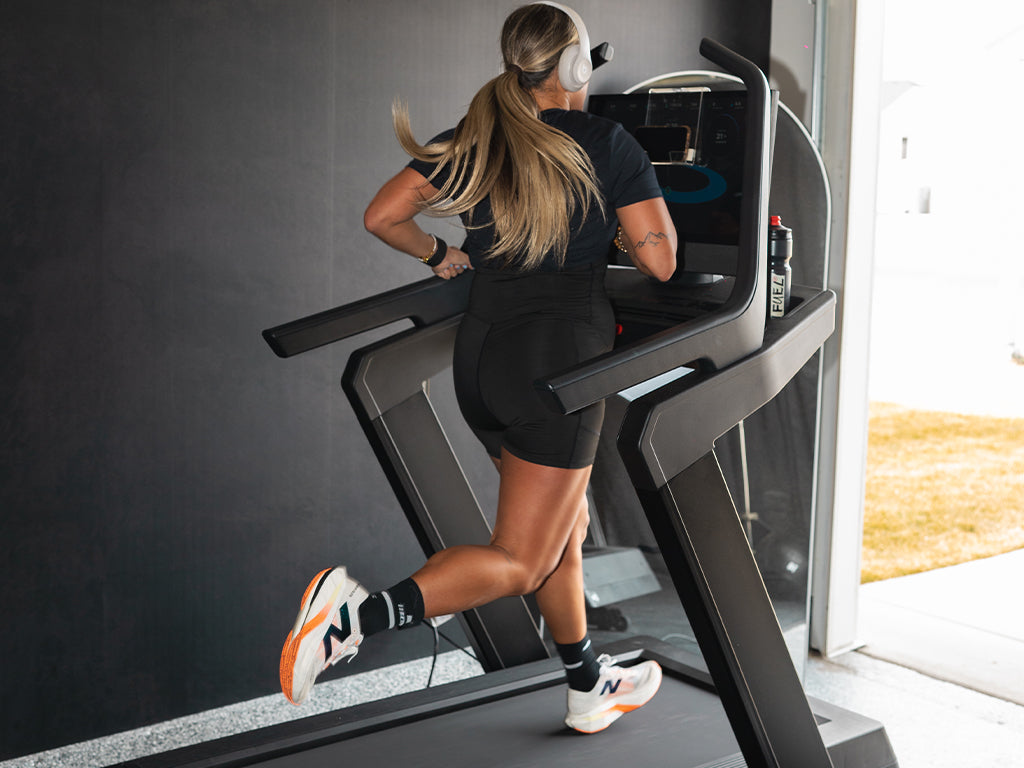
Running, cycling, and other endurance exercises create unique recovery demands:
- Running downhill produces substantial eccentric loading and subsequent DOMS.
- Activities like step aerobics can cause more pronounced soreness in the lower body.
- Compression socks may be particularly beneficial for endurance athletes with lower body DOMS, as they support venous return and may reduce temporary inflammation.
High-intensity interval training
HIIT workouts can cause full-body DOMS due to their comprehensive nature:
- Allow 48 hours between high-intensity sessions targeting the same muscle groups.
- Consider alternating between upper/lower body HIIT formats.
- Start with shorter intervals when beginning HIIT training.
Your fitness levels significantly impact how quickly you recover from HIIT-induced muscle soreness.
Recovery footwear: The missing piece in your DOMS strategy
The shoes you wear during recovery can significantly improve your experience as your body rebounds from DOMS. Recovery footwear designed with enhanced cushioning and proper arch support helps:
- Reduce pressure on aching muscles in the feet and legs
- Support appropriate alignment to prevent compensation patterns
- Decrease strain on connective tissue
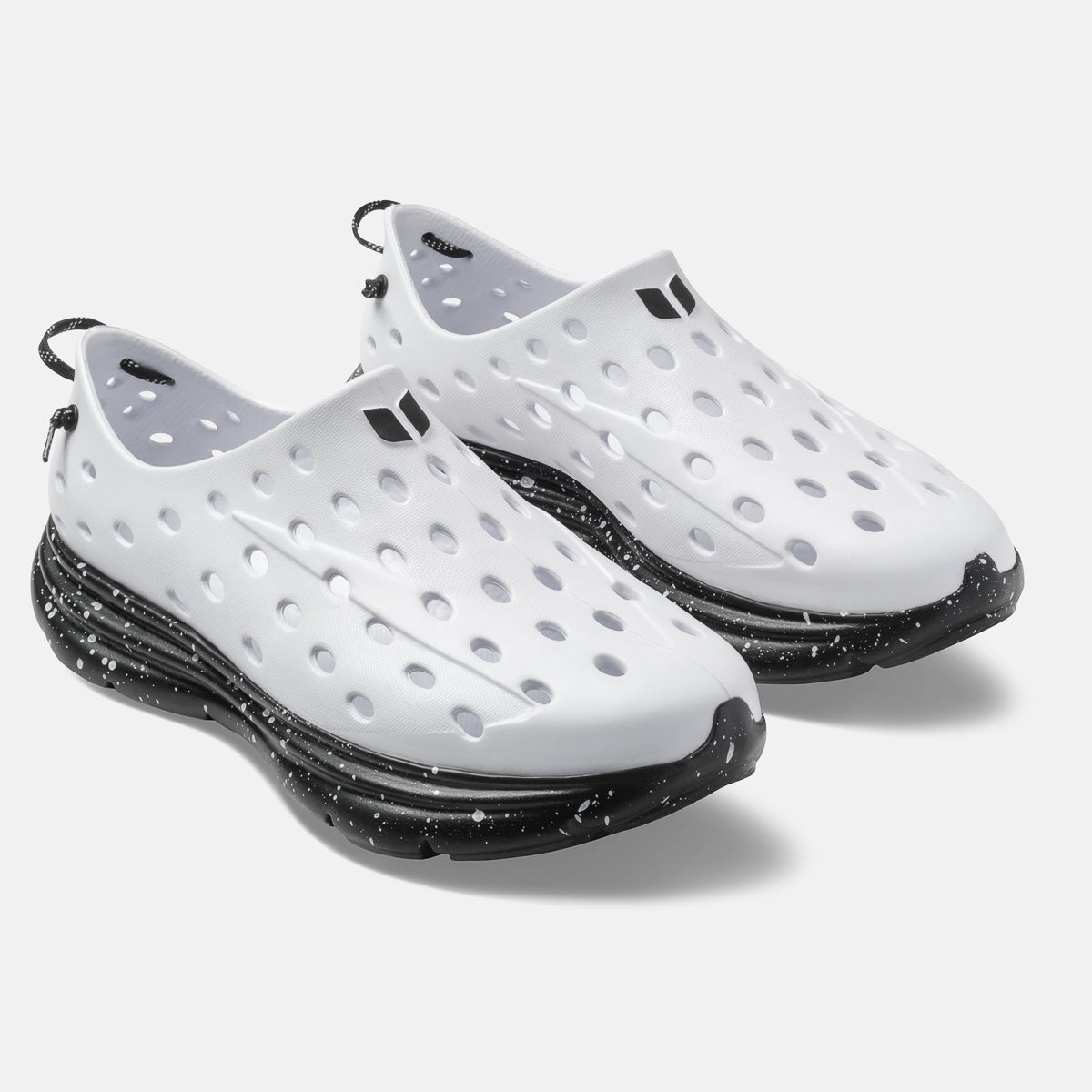
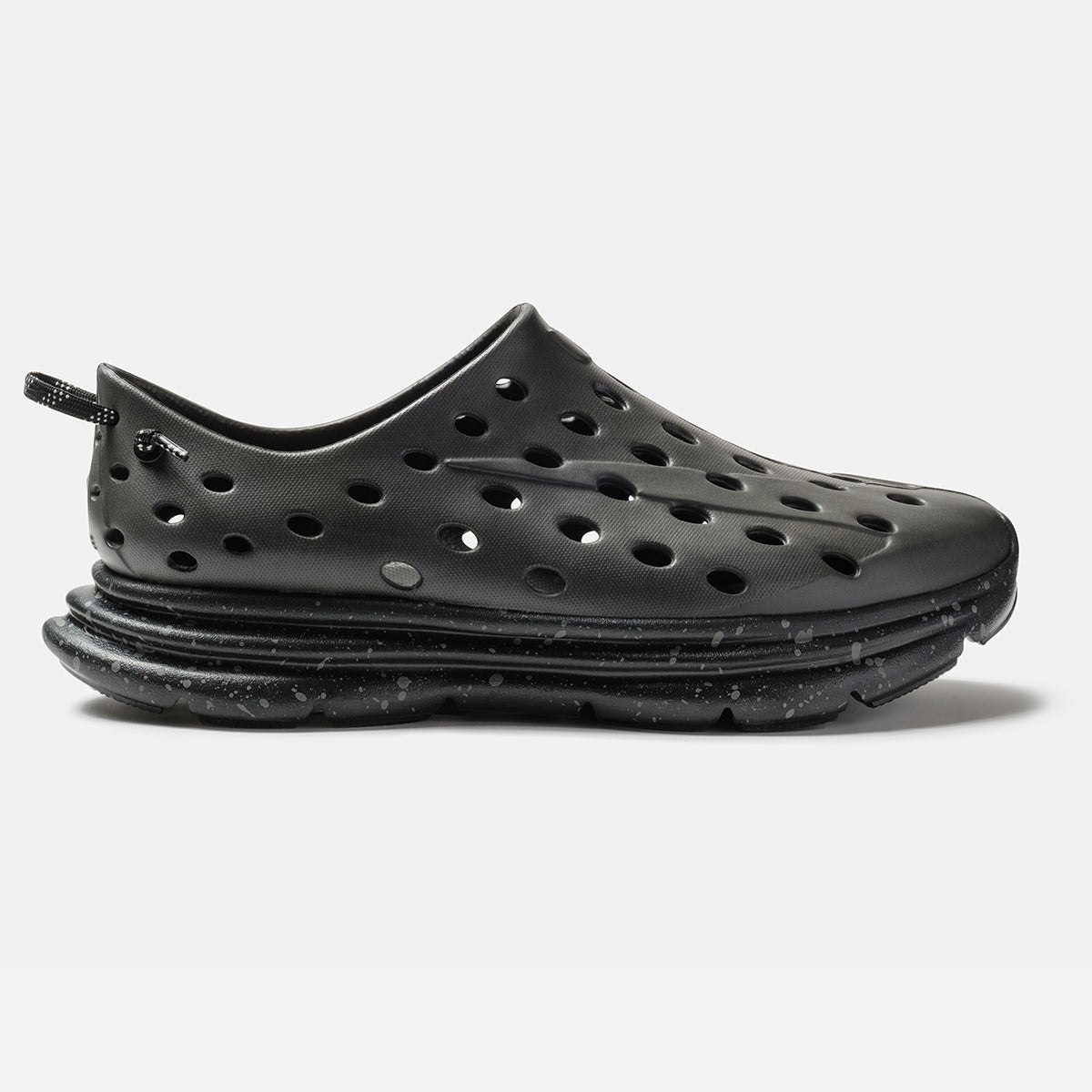
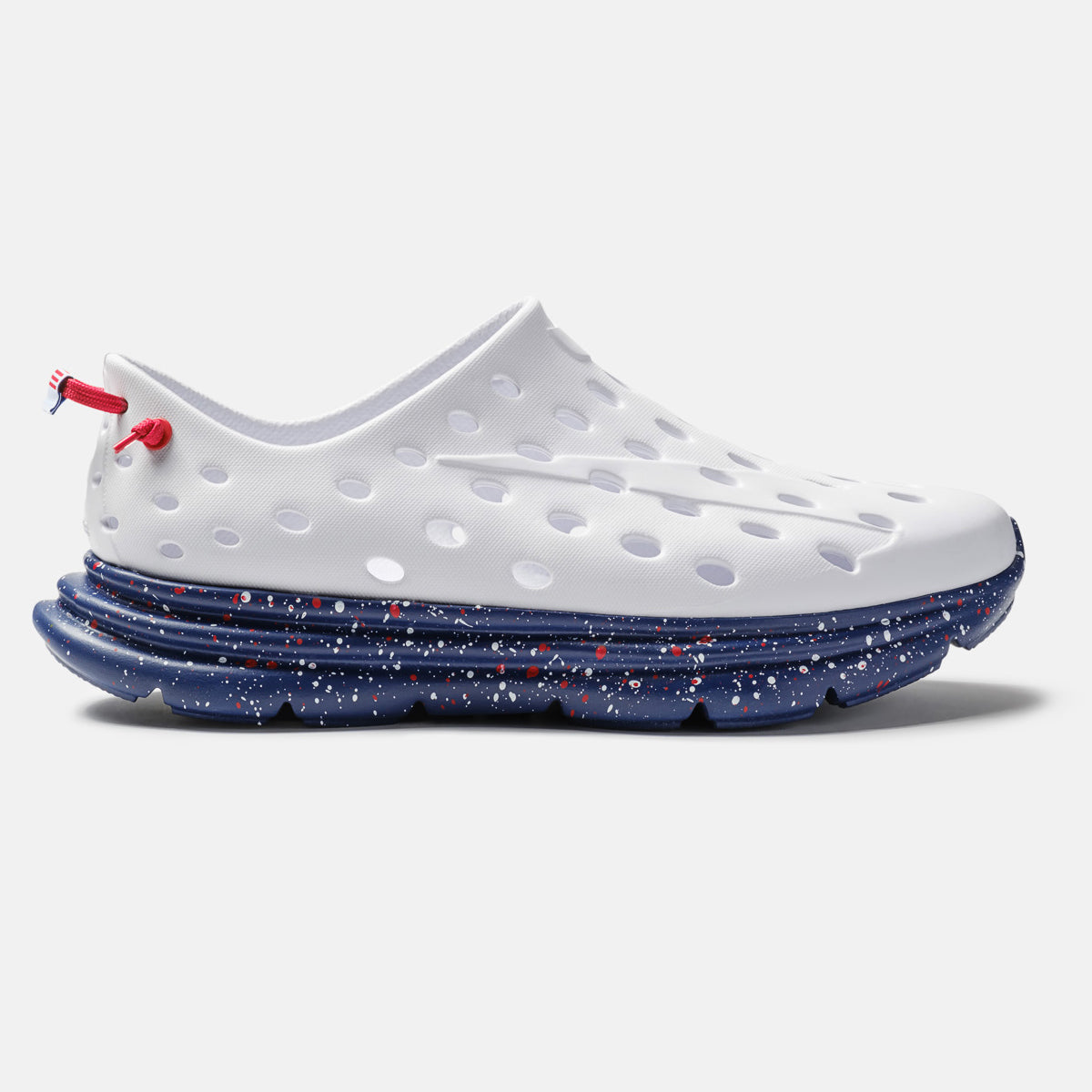
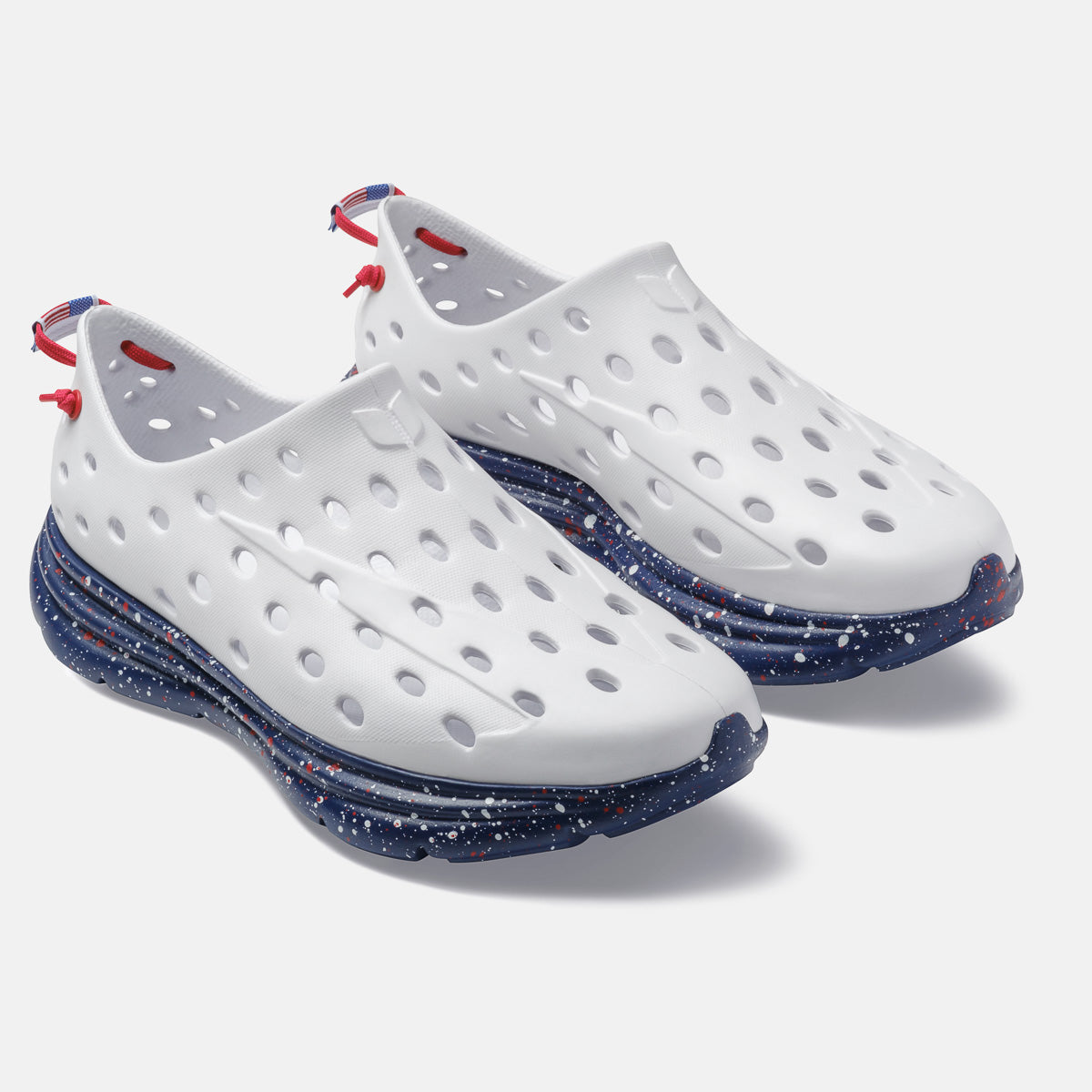
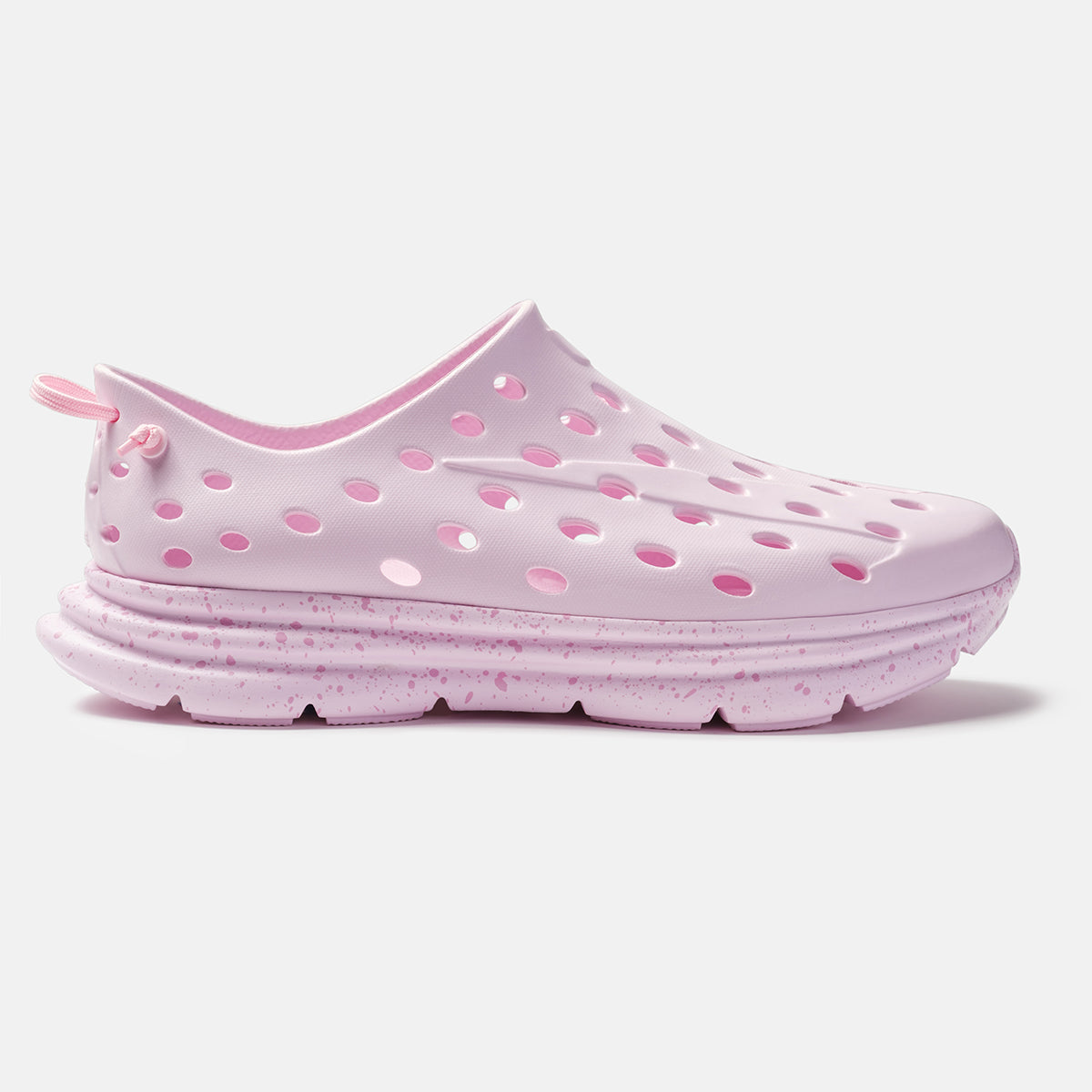
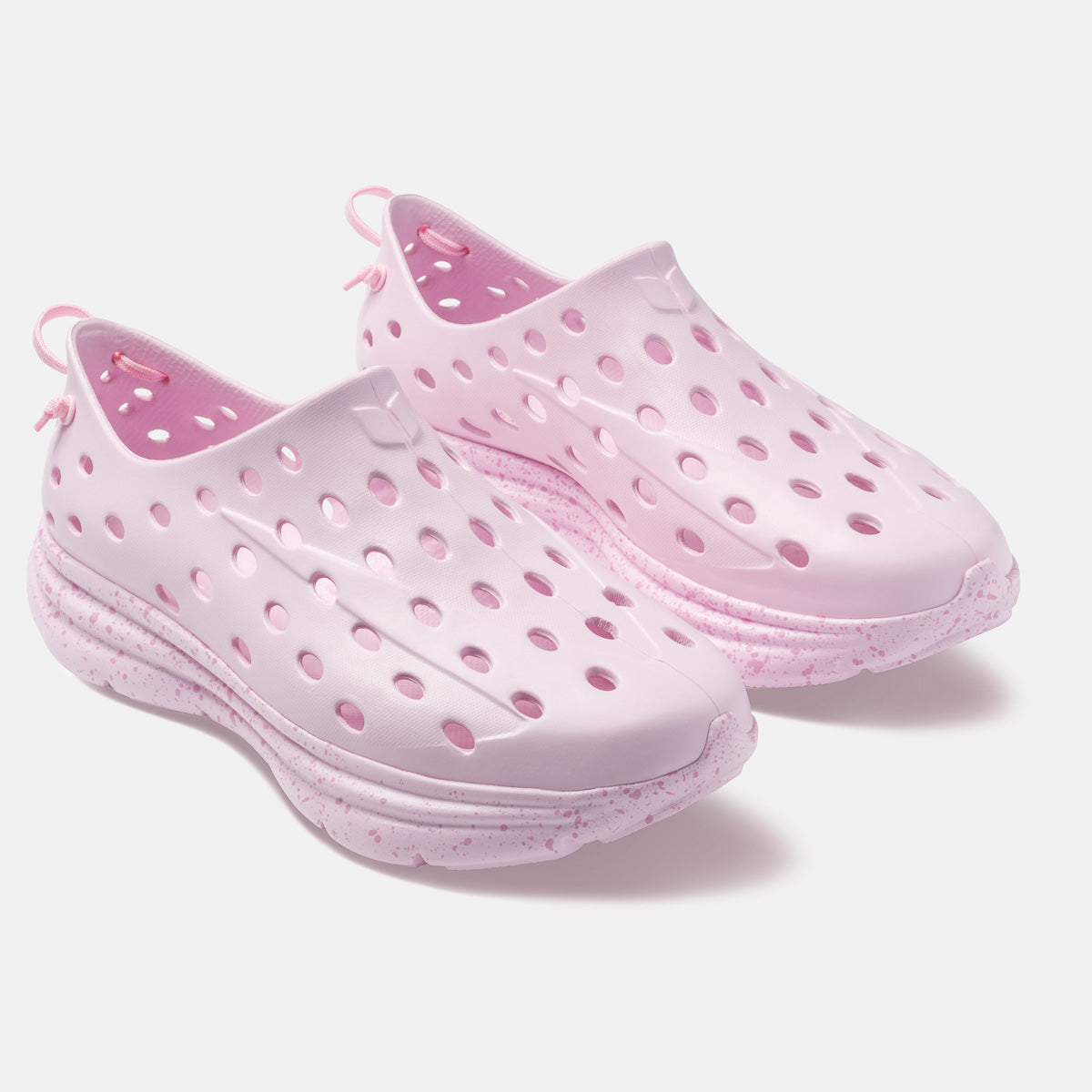
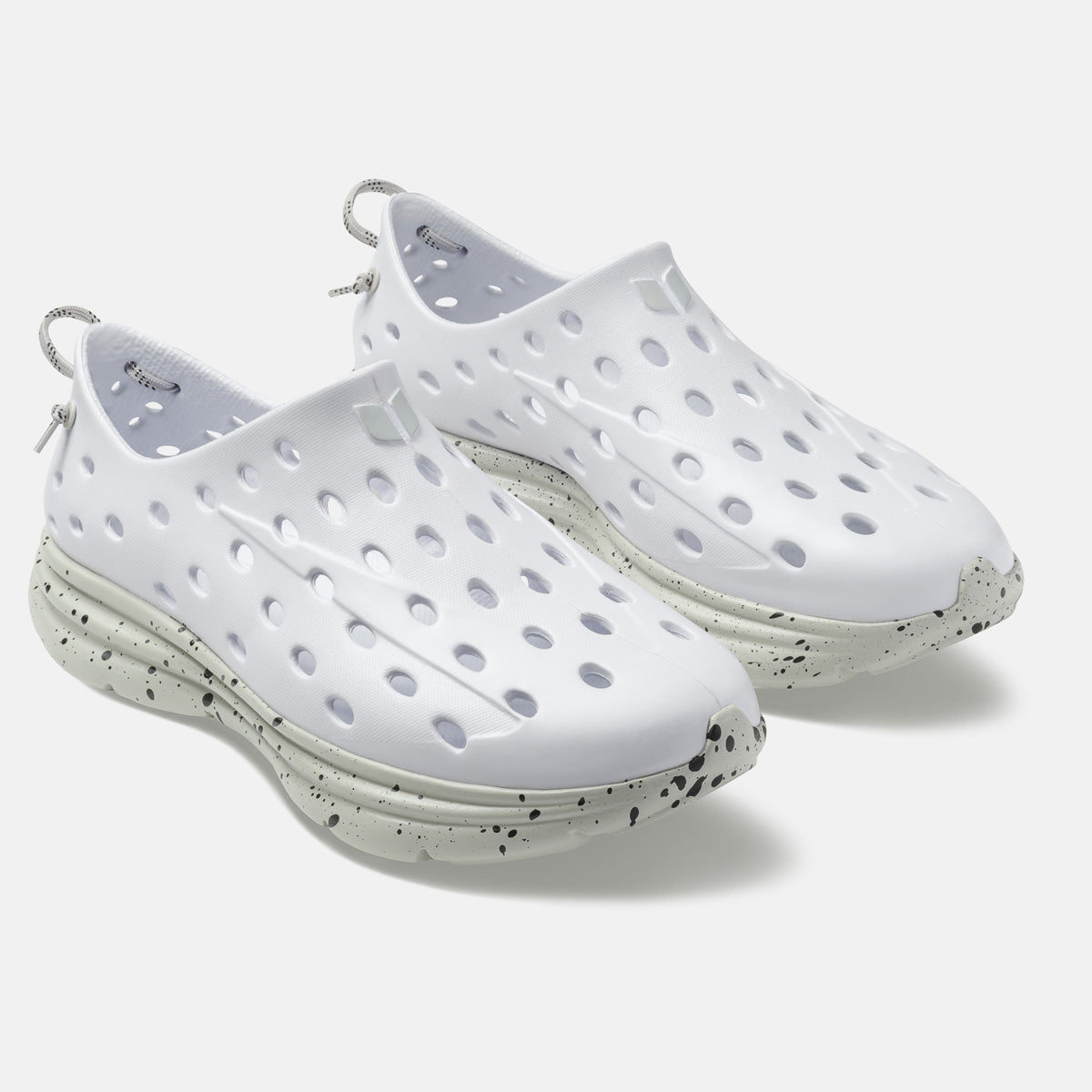
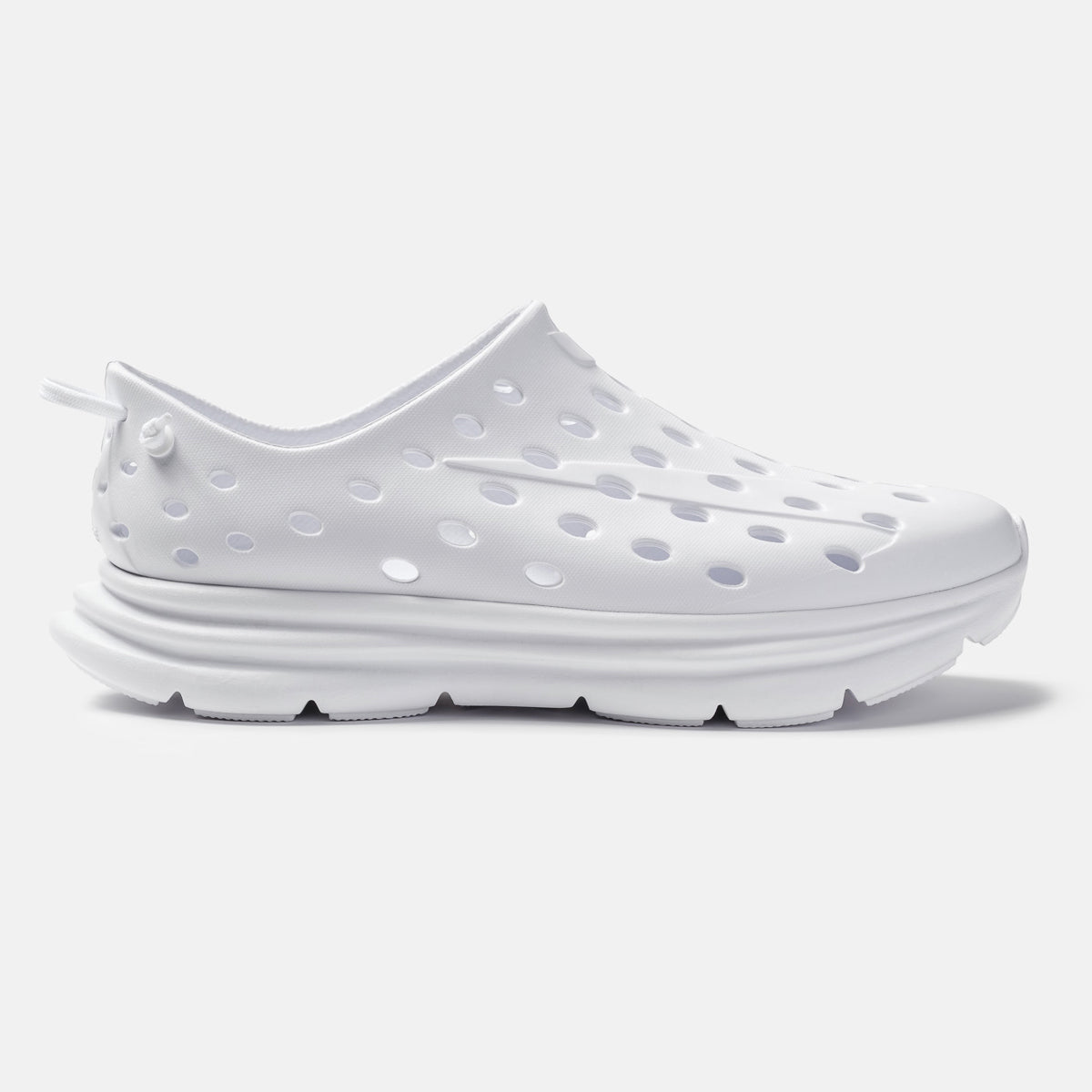
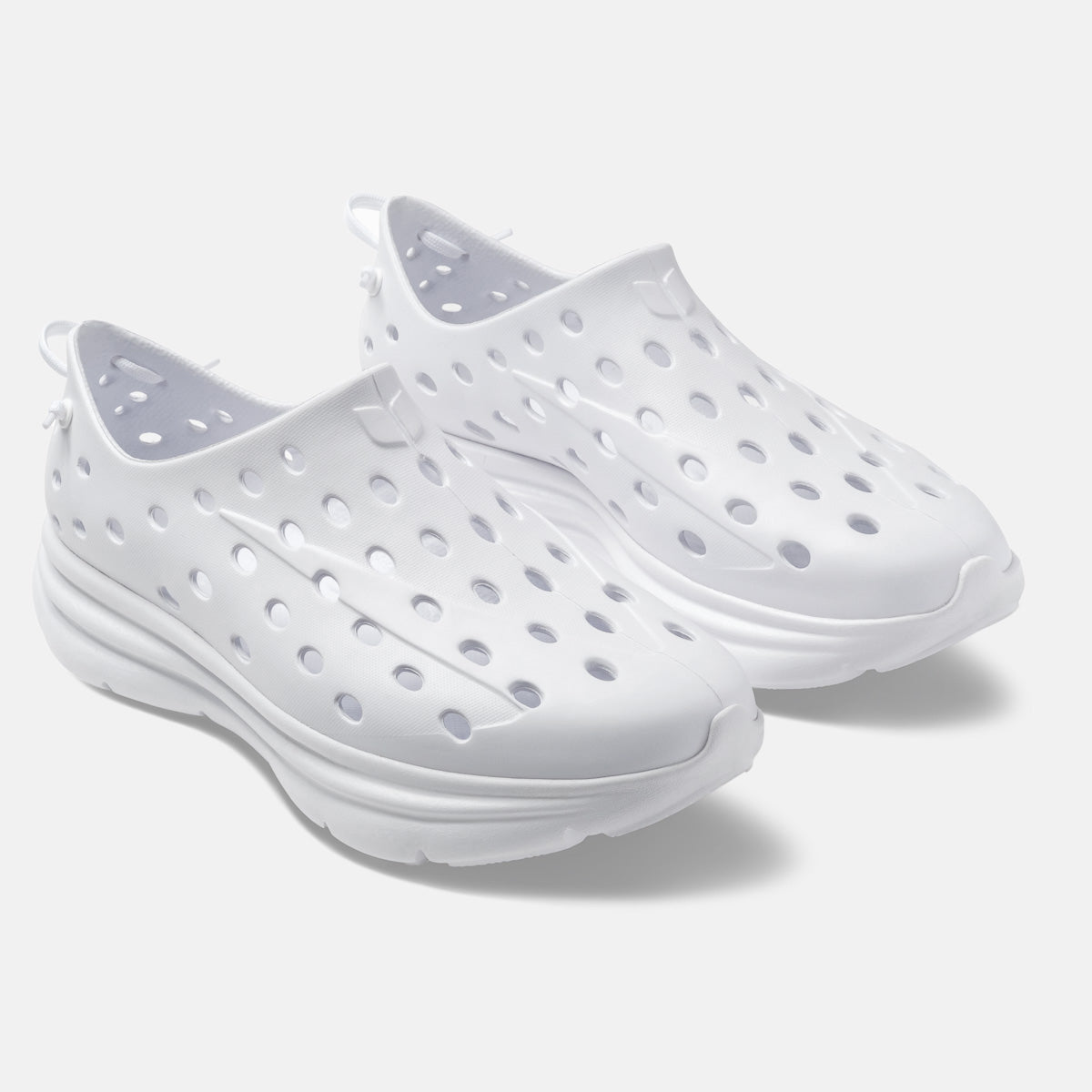
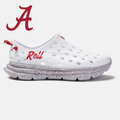
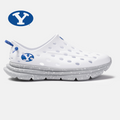
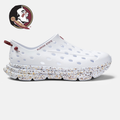
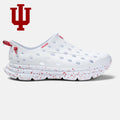
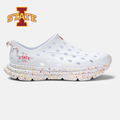
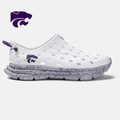
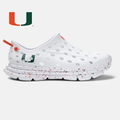
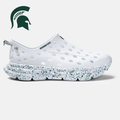
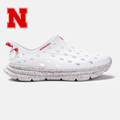
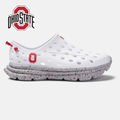
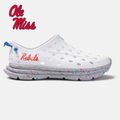
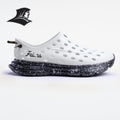
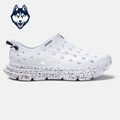
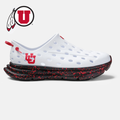
When your legs are battling DOMS, the last thing they need is additional stress from unsupportive footwear. Specialized recovery footwear like Kane Revive is a game-changer after a tough workout. These supportive shoes are particularly beneficial when dealing with lower body DOMS, as they reduce additional stress during daily activities while your muscles heal.
Kane's recovery shoes provide excellent support, comfort, and durability for those in need of recuperative footwear. Featuring an adjustable hook-and-loop single-strap upper, plush TPR footbed, and durable EVA outsole, these kicks have all the right features to assist during your rehabilitation journey and help keep your workout routine on track.
They’re also committed to sustainability as a Certified B Corporation, dedicating 1% of their profits to environmental charities.
When and how to wear Kane Revive
The best moment to wear most recovery shoes is directly after a strenuous activity such as running or weight training. To guarantee maximum comfort and effective recovery, wear your footwear correctly by tying the strap securely for a snug fit around your feet.
Switching to Kane's supportive footwear immediately after your workout gives your muscles the support they need.
The verdict on working out with DOMS: Finding your balance
So, should you work out with DOMS? The answer depends on severity, type, and your individual recovery capacity. Mild to moderate soreness often benefits from active recovery, while severe DOMS signals the need for rest or significant workout modification.
Determining between productive soreness and counterproductive pain is essential for sustainable fitness progress. You can navigate DOMS effectively while progressing toward your goals by implementing smart training strategies and supporting your body's healing processes.
Finding your threshold requires honest self-assessment and willingness to adjust your training plan based on your body's feedback. Remember that strategic rest is not weakness—it's an essential component of any effective training program that prioritizes long-term progress over short-term ego.
Recovery isn't just what happens between workouts. It's what makes your next performance possible.
Frequently asked questions
Does working out with DOMS build more muscle?
No substantial evidence suggests that training through soreness builds more muscle. Muscle growth occurs during recovery periods after providing an adequate stimulus. Excessive training with severe DOMS may actually work against you by impairing recovery and limiting growth.
How can I tell if my soreness is DOMS or an injury?
DOMS typically presents as a dull, achy sensation that improves with light movement. It affects both sides equally and gradually diminishes over several days. Injury pain often feels sharp, may involve specific trigger points, and doesn't necessarily improve with movement. When in doubt, consult a physical therapist or other healthcare professional.
Will DOMS ever completely go away if I train regularly?
While adaptation reduces DOMS severity over time, even well-trained individuals experience some muscle soreness when introducing new movements, significantly increasing intensity, or returning after a break. The good news is that experienced exercisers typically recover faster from DOMS.
What's the fastest way to reduce DOMS?
No single method immediately eliminates DOMS. However, combining strategies, such as proper nutrition, adequate hydration, quality sleep, light active recovery, and progressive training, can significantly reduce its duration and intensity.
No content on this site should ever be used as a substitute for direct medical advice from your doctor or other qualified clinicians.