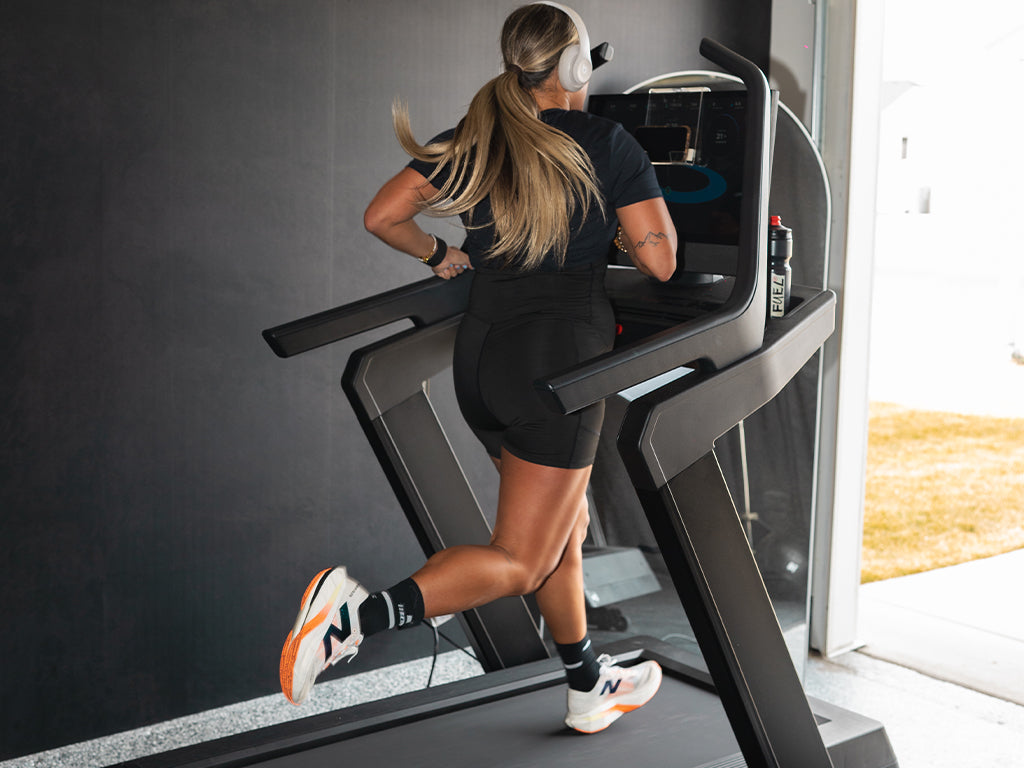











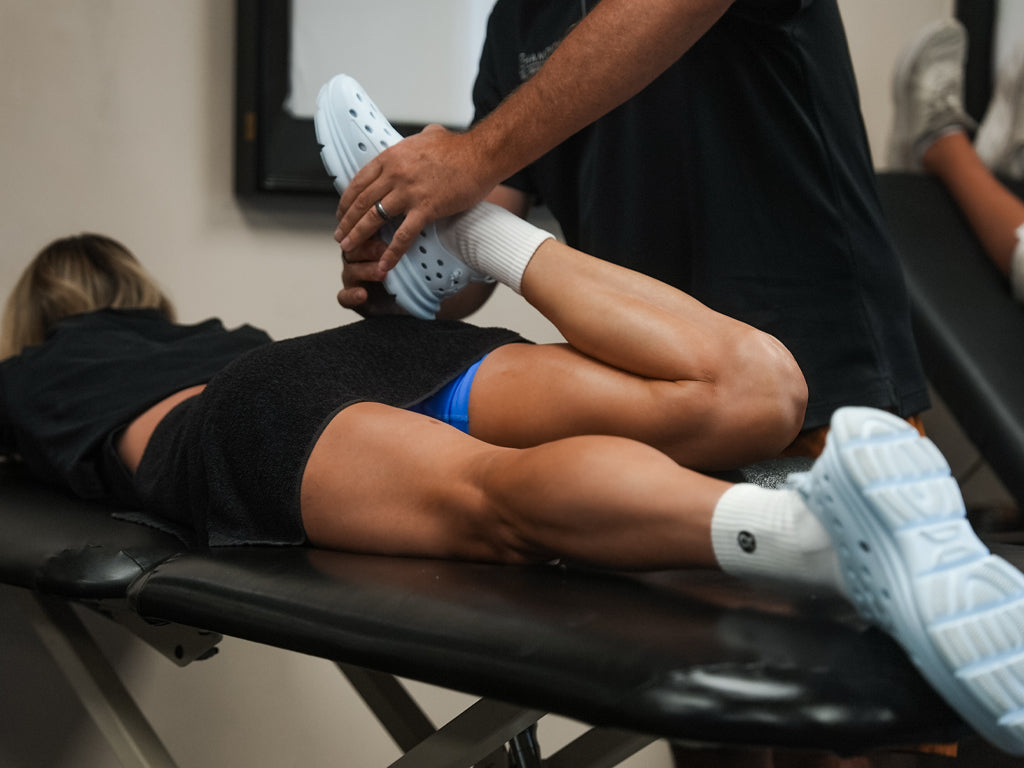
Every runner knows the feeling. You finish a great run, and then it hits—that nagging ache around the kneecap.
Knee pain after running is one of the most common running injuries, affecting weekend warriors and marathon veterans alike. Most cases don't signal serious damage and respond well to rest, strengthening, and smart training adjustments.
Understanding what's happening in your knee joint is the first step toward pain-free running. Treating runner's knee effectively means addressing the root causes, not just masking symptoms.
Key takeaways
- Knee pain after running often stems from biomechanical imbalances, overuse, or improper footwear rather than structural damage to the knee joint.
- Most cases of runner's knee can be treated without surgery through a combination of rest, strengthening exercises, proper footwear, and form corrections.
- Recovery practices—including wearing appropriate recovery footwear between runs—are just as important as your training plan for preventing running injuries.
Understanding knee pain after running
Knee pain in runners rarely appears out of nowhere. The knee acts as a hinge between your upper and lower legs that handles both impact and rotation. When muscles, running form, or footwear aren't working properly, your knees pay the price.
Common types of knee pain in runners
Most knee pain after running falls into recognizable patterns, each with distinct causes and symptoms that help identify what's actually happening in your knee joint.
Runner's knee (patellofemoral pain syndrome)
Patellofemoral pain syndrome Patellofemoral pain syndrome, commonly called runner's knee, causes pain in the front of the knee and around the kneecap. This dull pain typically worsens when you run downhill, walk down stairs, or sit with your knees bent for long periods. The condition develops when your kneecap (patella) doesn't track properly in the groove of your thigh bone. Unlike structural injuries, patellofemoral pain is a functional problem—your knee joint components are intact but not working efficiently.
Patellar tendinitis (jumper's knee)
Patellar tendinitis Patellar tendinitis causes pain below the kneecap where the tendon connects to the shin bone. This overuse injury develops when the tendon experiences repetitive stress without adequate recovery time. Runners who incorporate hill workouts or suddenly increase mileage often develop this condition.
IT band syndrome
The iliotibial band runs along the outside of your thigh from hip to shin. When this band becomes tight, it can rub against the outer knee joint, causing sharp pain on the outside of your knee. IT band syndrome IT band syndrome often strikes around the 20-minute mark of a run, forcing you to slow down or stop running entirely.
Chondromalacia patella
Chondromalacia patella Chondromalacia patella refers to the breakdown of cartilage on the underside of the kneecap. When it deteriorates, runners experience a grinding or clicking sound in the knee, along with pain during activities that load the bent knee.
What causes knee pain after running?
Multiple factors contribute to knee pain, often working in combination. Your body operates as an interconnected system—weakness in your hips, tight muscles in your calves, or worn-out shoes can all translate to pain in your knees.
Biomechanical factors
How your body moves during running directly impacts the forces traveling through your knee joint, and even small alignment issues can create significant pain over time.
Overpronation
When your foot rolls excessively inward upon landing, this motion can create a chain reaction up your leg. As this inward roll continues, your shin bone rotates internally, which can cause thigh muscles to pull your kneecap off its typical track. Runners with flat feet are more likely to experience overpronation overpronation.
Weak hip and glute muscles
Strong hip muscles and glutes keep your femur stable and aligned. When these muscles are weak, your thigh rotates inward during running, pulling the kneecap out of its ideal path and creating uneven tracking. This altered tracking increases stress between the patella and femoral groove rather than allowing a smooth glide, which can lead to kneecap pain.
Tight muscles
Tight muscles throughout your lower body can pull your knee joint out of alignment. Tight hamstrings, hip flexors, and calf muscles all affect how forces travel through your knee.
Training errors
Beyond how you move, what you do in training—how much, how fast, and where—plays a major role in whether your knees stay healthy or break down.
Overtraining and sudden mileage increases
Pushing your body too hard without adequate rest creates conditions for overuse injuries. Your soft tissues need time to adapt to training stress. Jumping from 15 miles per week to 30 miles can exceed your knee joint's capacity to handle the load before adaptation can occur.
Running on hard surfaces
Running on hard surfaces like pavement and concrete increases the impact forces your knees absorb. These surfaces offer no give, transferring maximum shock through your foot, ankle, and knee.
Improper running form
Poor running form multiplies stress on your knees. Overstriding Overstriding—landing with your foot far in front of your body—creates a braking force your knee must absorb. Landing heavily on your heels sends shock waves through your knee joint instead of allowing your foot and ankle to absorb impact naturally.
Equipment issues
Even perfect form and smart training can't overcome the wrong shoes. What you wear on your feet during and after running has a direct impact on knee health.
Worn-out or the wrong running shoes
Running shoes lose cushioning and support over time. Running in worn-out shoes forces your knee to absorb the impact that fresh shoes would handle. The wrong shoes trigger overpronation or supination, both contributing to knee pain.
Lack of proper recovery footwear
What you wear outside running matters. Many runners slip into flat, unsupportive casual shoes between training sessions, preventing full recovery and adding stress to the knee joint.
How to prevent knee pain after running
Prevention works better than treatment. Building strength, improving flexibility, training smart, and supporting your body during recovery all keep your knees healthy and pain-free.
Build strength where it matters
Strong muscles around your hip, thigh, and core take pressure off your knee joint and keep proper tracking.
Hip and glute exercises
Include these exercises two to three times per week:
- Clamshells: Targets the gluteus medius, a key stabilizer
- Fire hydrants: Strengthens hip abductors
- Donkey kicks: Activates the gluteus maximus
- Single-leg deadlifts: Builds stability throughout your lower body
Quad strengthening
Your quadriceps, especially the vastus medialis oblique (VMO), play a crucial role in kneecap stability:
- Straight leg raises: Lock your leg straight and lift toward the ceiling, keeping your knee fully extended
- Terminal knee extensions: Use a resistance band to strengthen the VMO
- Step-ups: Push through your heel and engage your thigh muscles
Improve flexibility and mobility
Tight muscles restrict normal movement patterns and create stress on your knees. Include dynamic warm-ups before running and static stretching after. Foam rolling your IT band, quads, hamstrings, and calves for 30-60 seconds helps reduce strain on your knee joint.
Smart training practices
Follow the 10% rule: increase weekly mileage by no more than 10% week to week. Mix hard surfaces with softer options like trails or grass. Incorporate low-impact physical activity like swimming or cycling. Listen to your body—knee pain signals something needs attention.
Optimize your footwear strategy
Invest in quality running shoes that match your gait pattern and foot type. Consider visiting a specialty running store for a gait analysis.
What you wear outside running matters too. Many runners slip into flat, unsupportive casual shoes between training sessions. This lack of adequate support during recovery means your feet, ankles, and knees never get a break from stress.
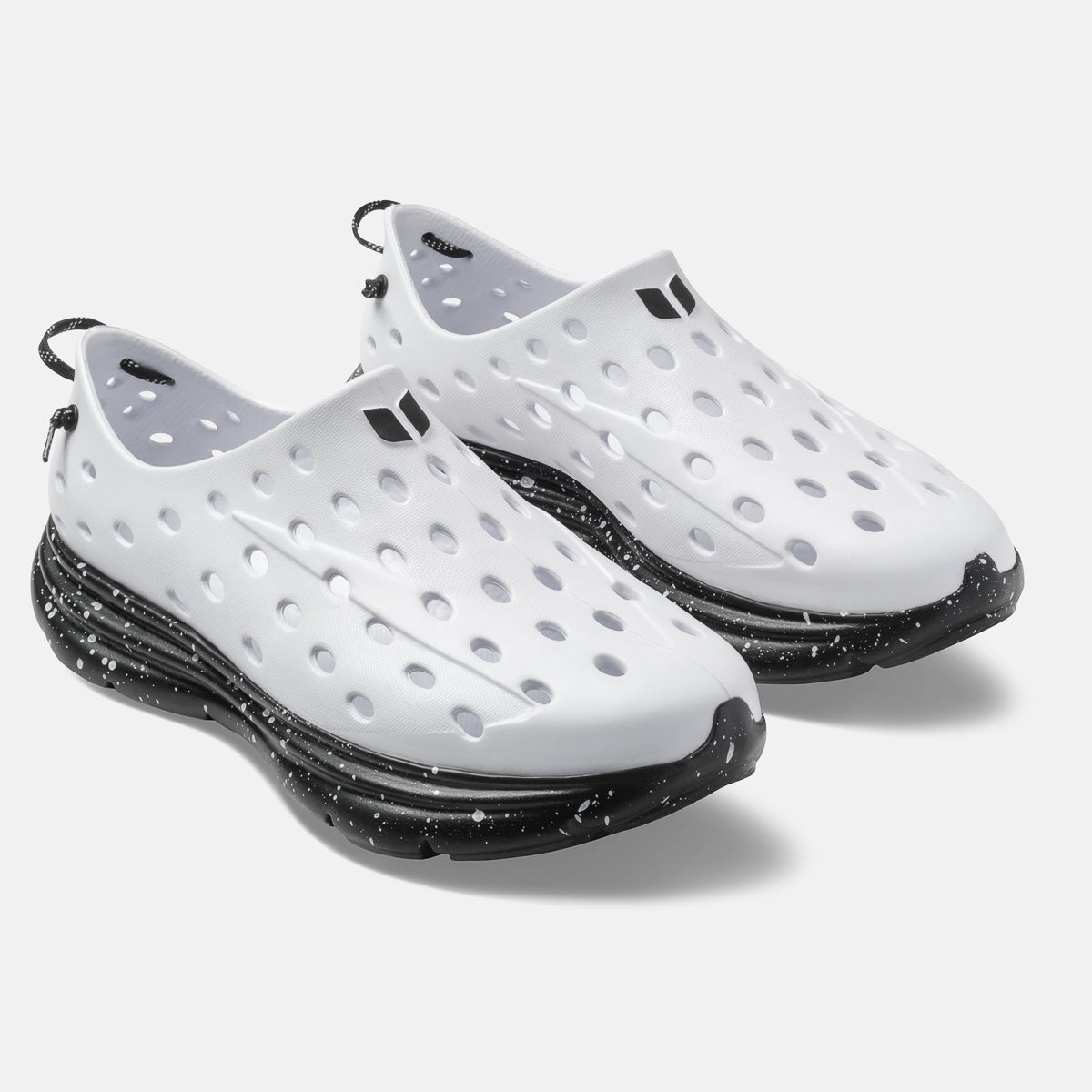
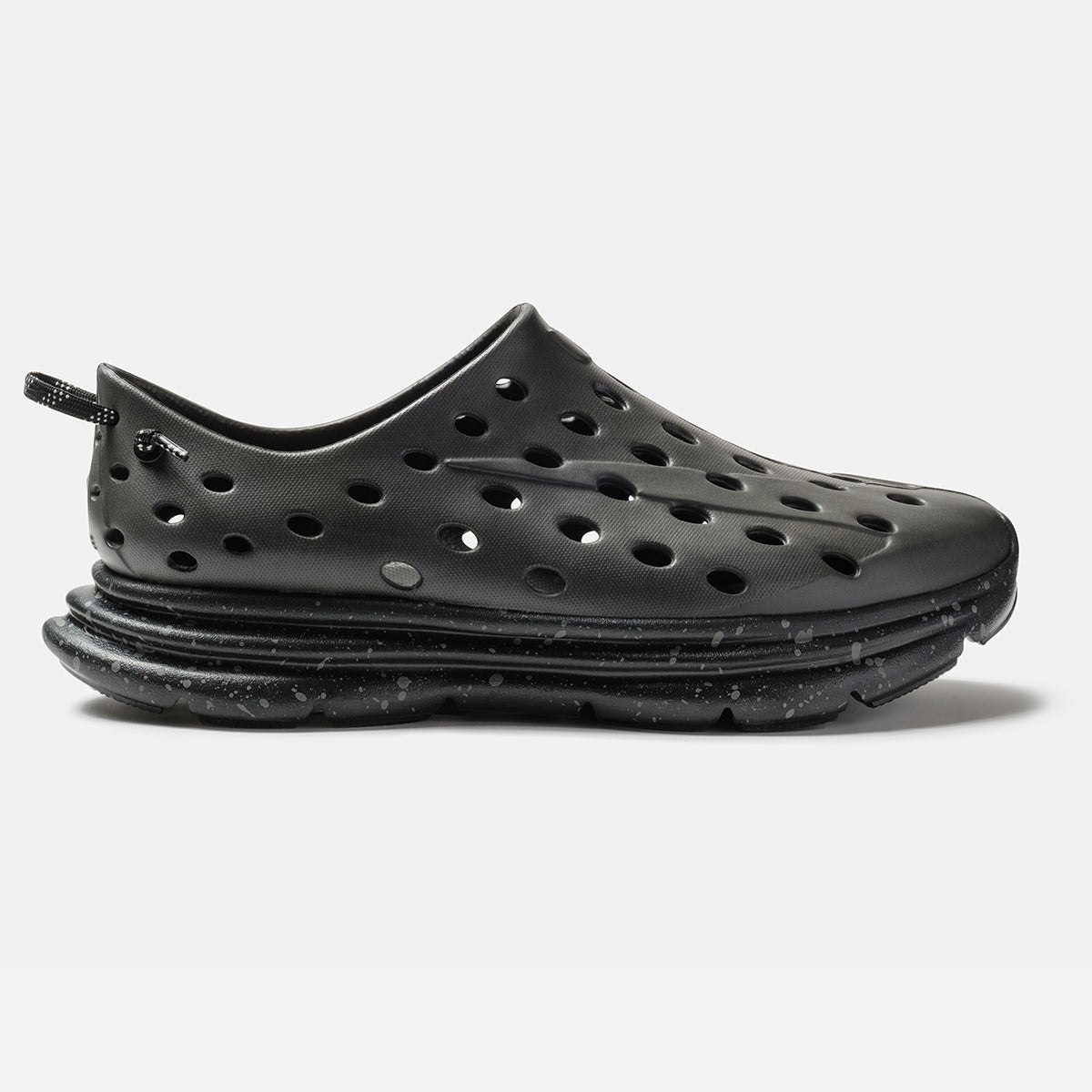
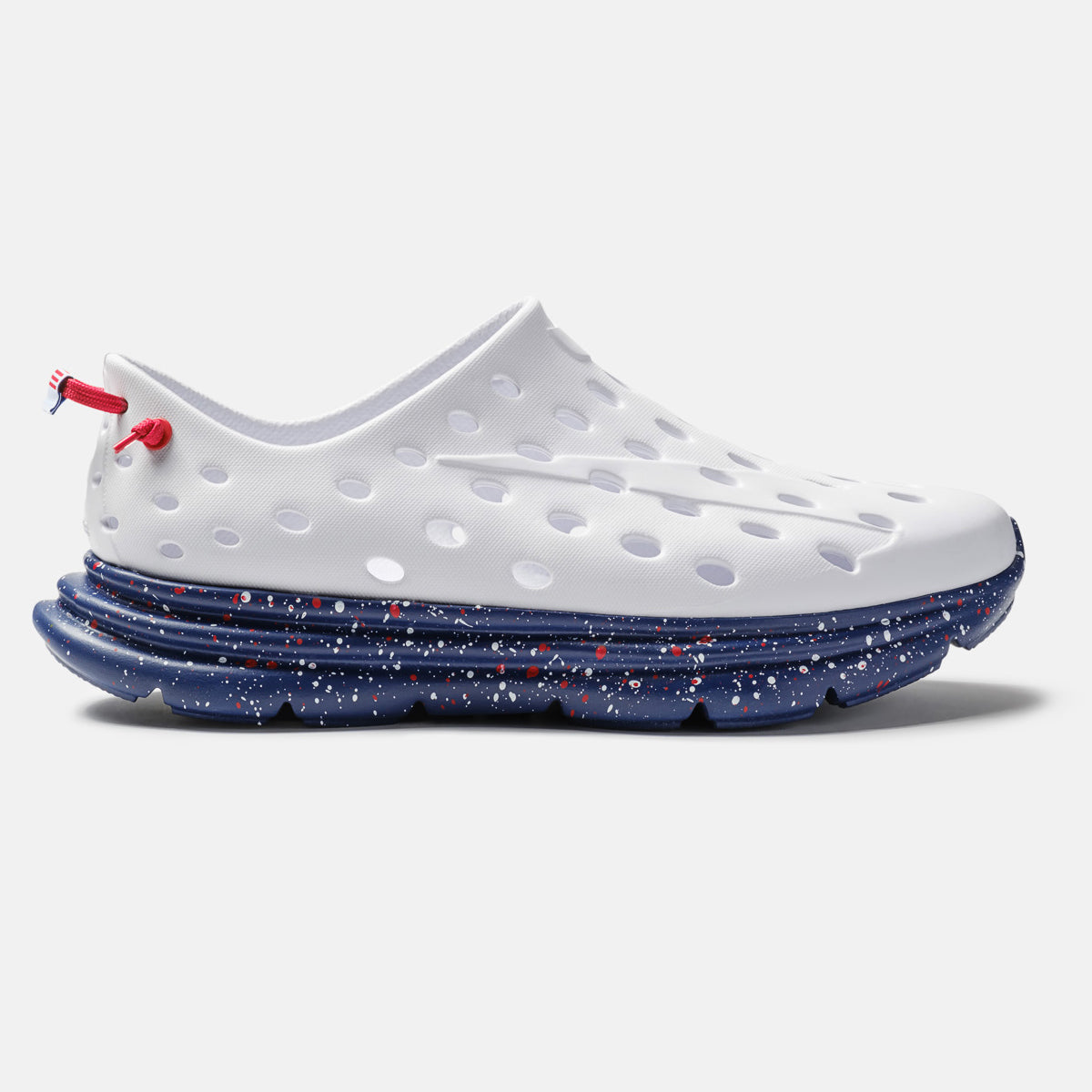
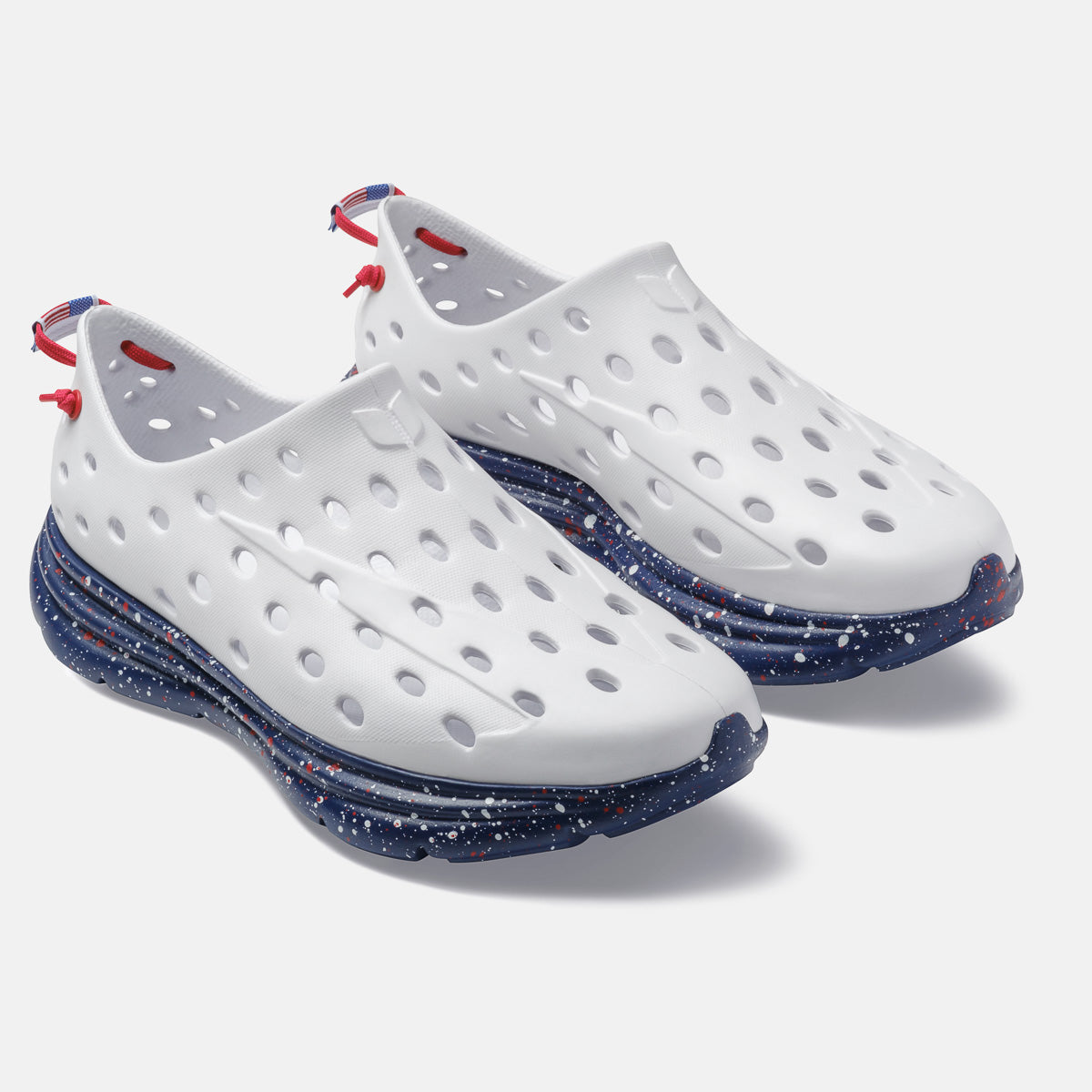
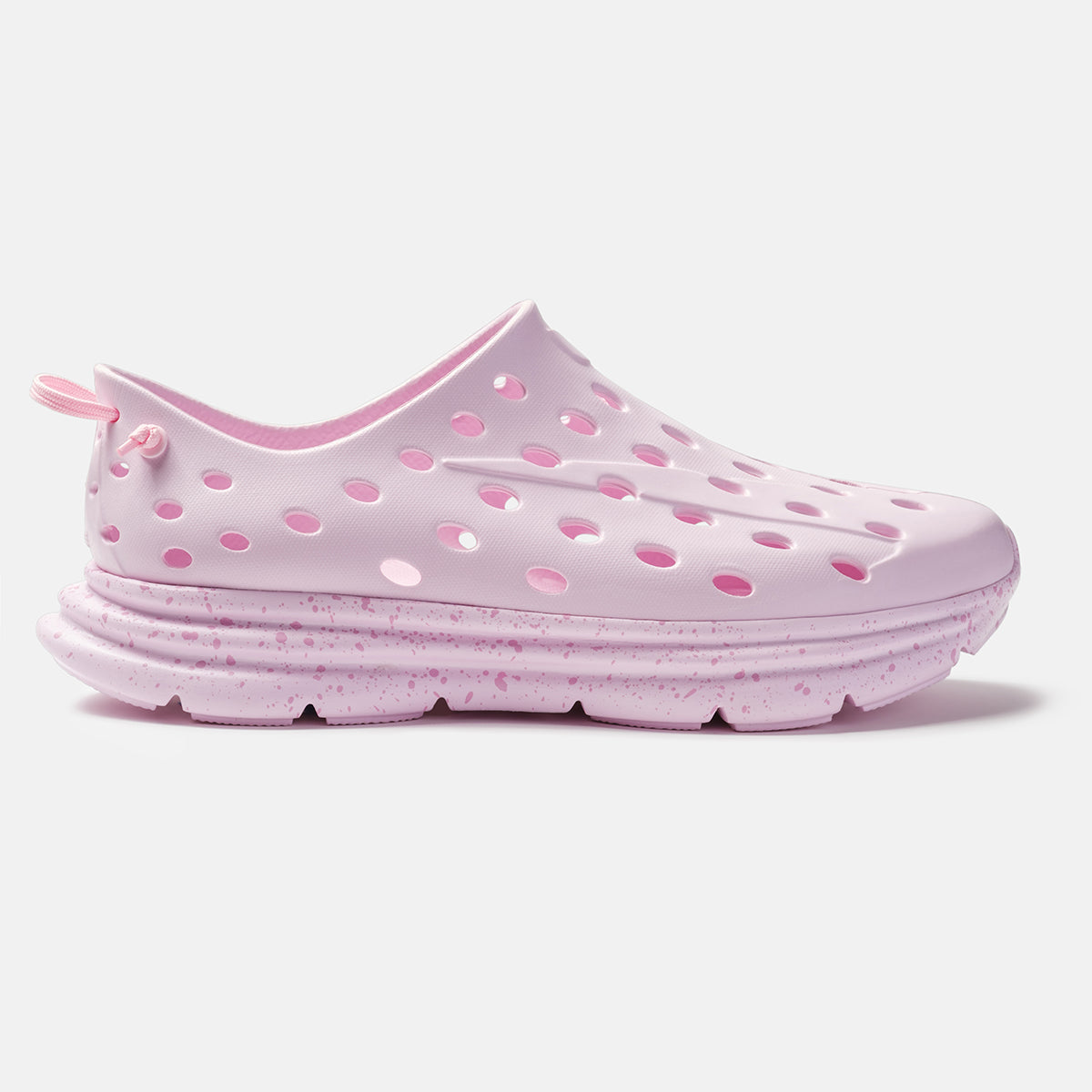
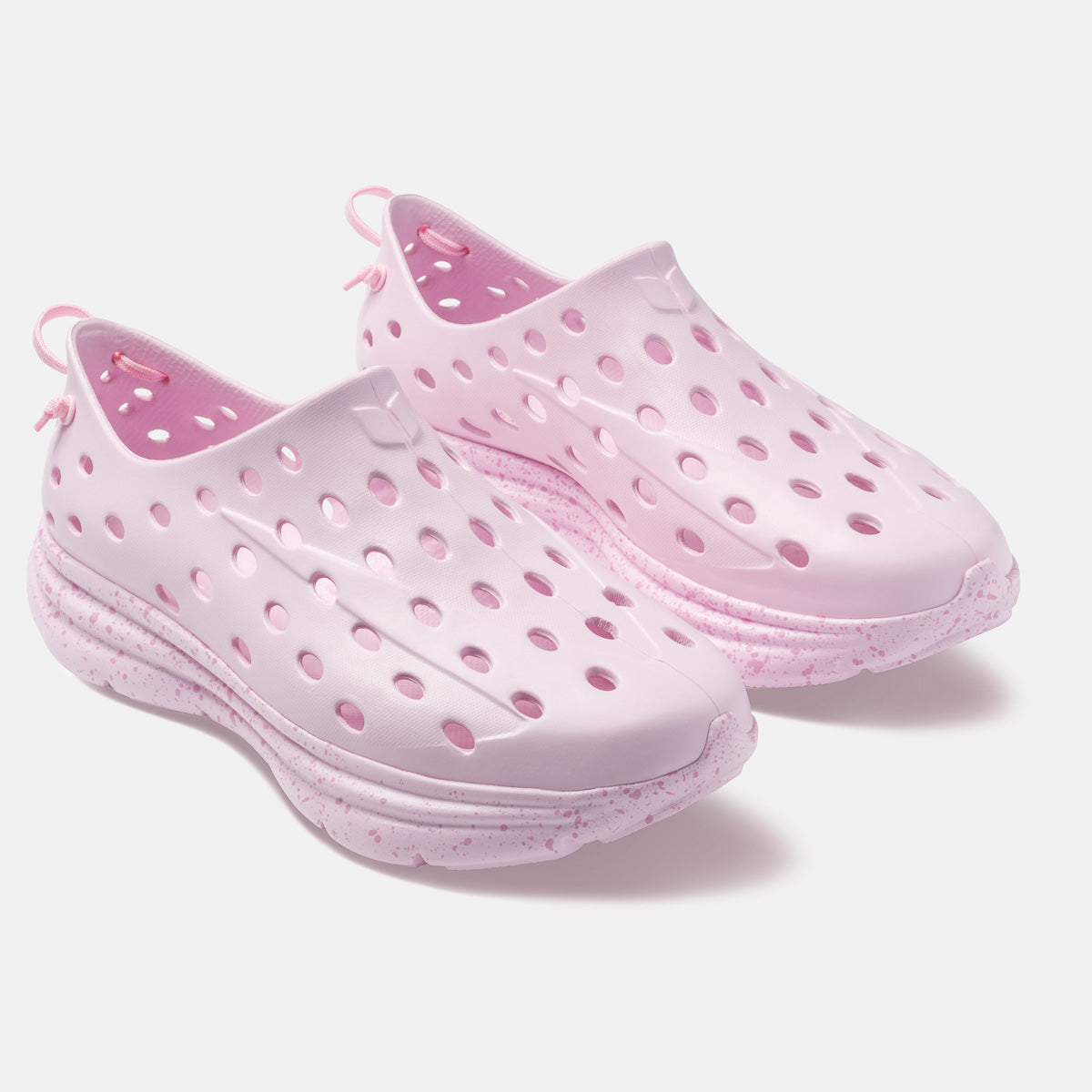
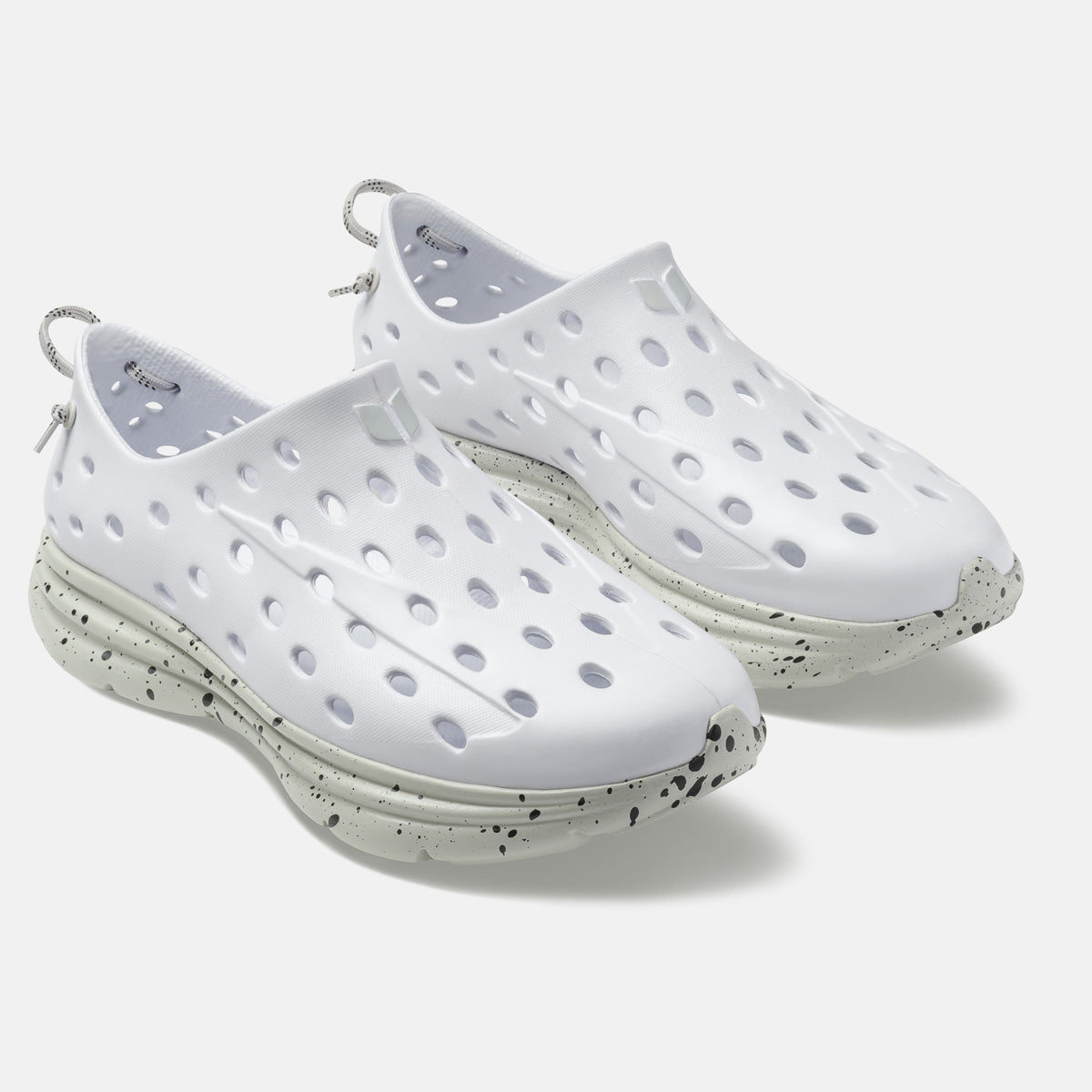
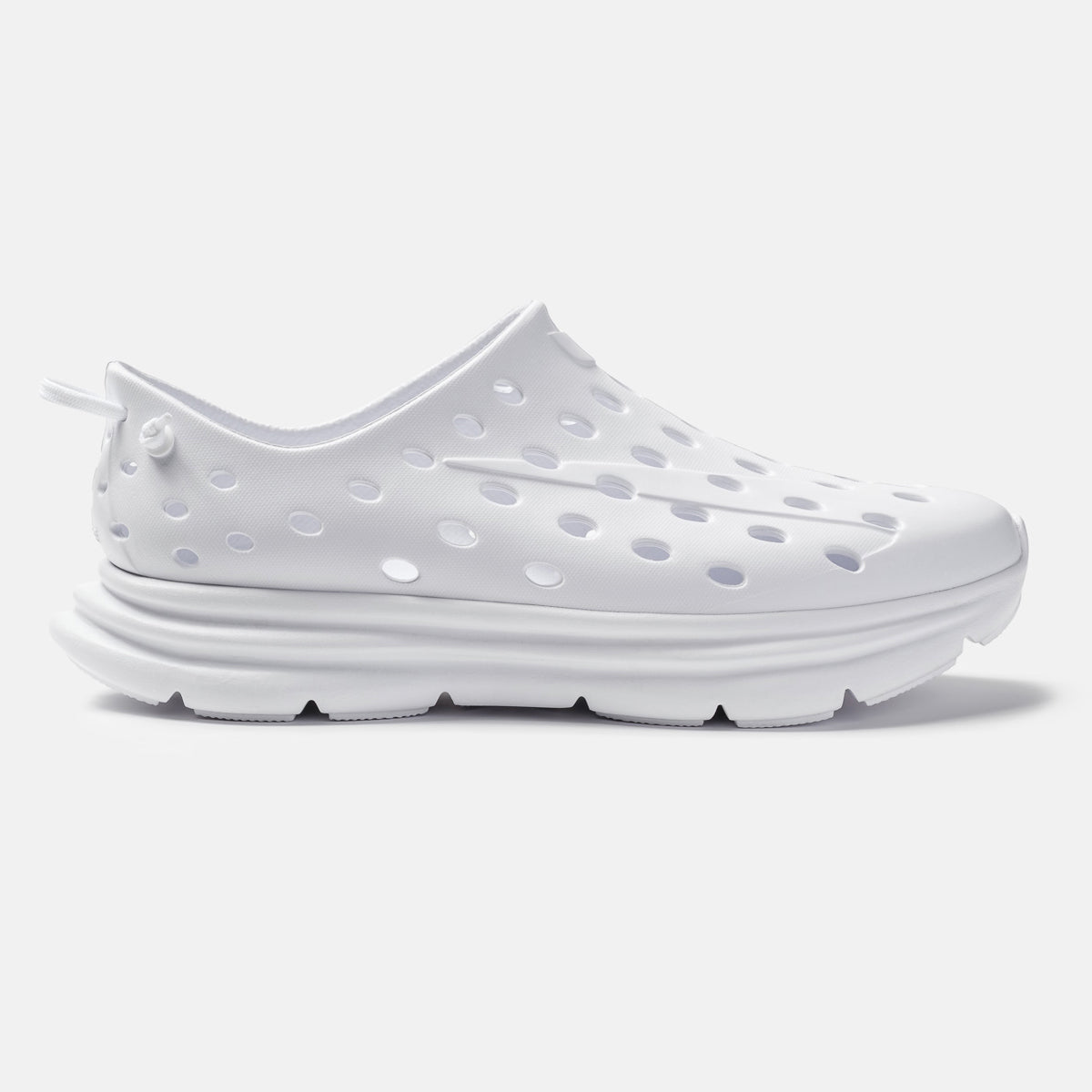
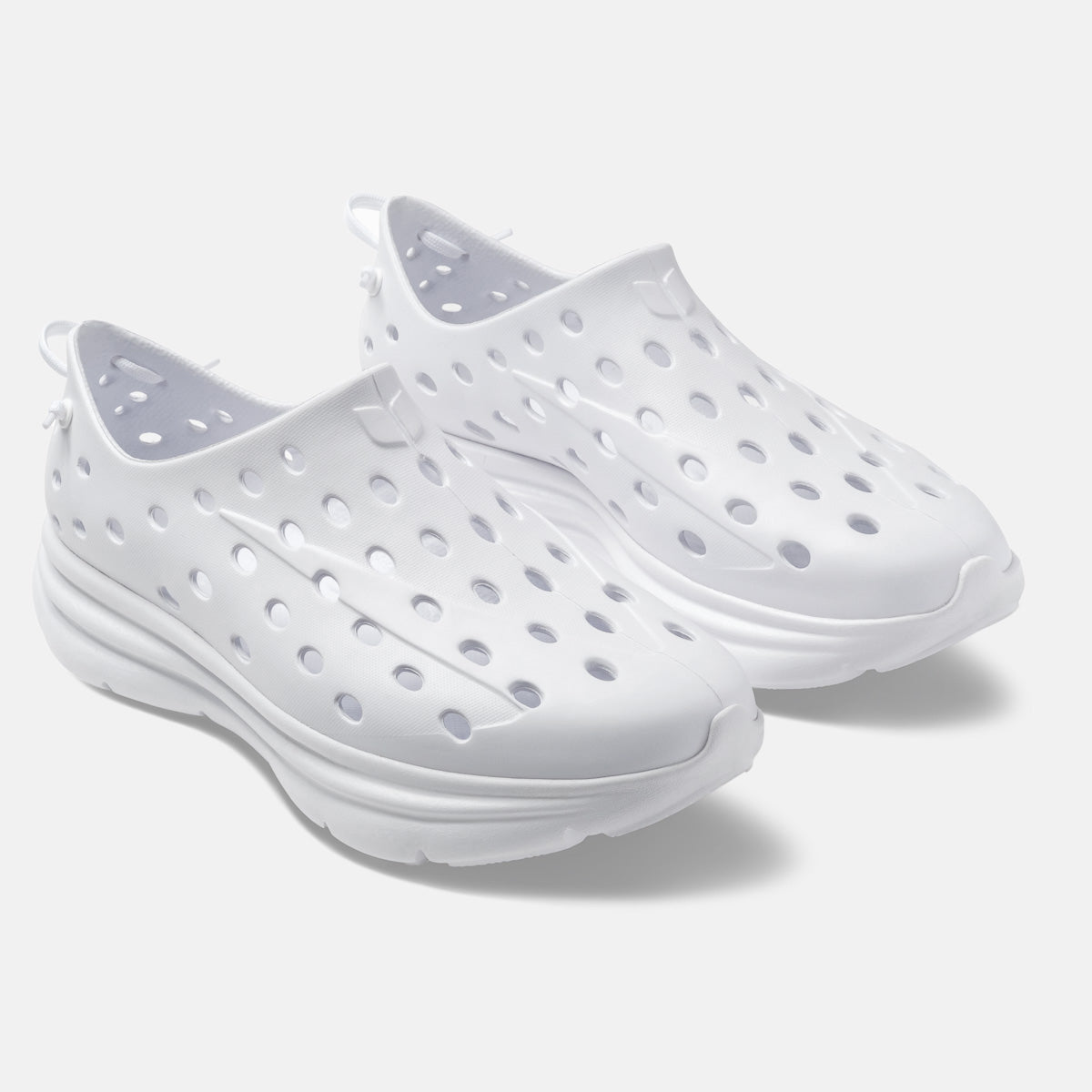
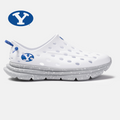
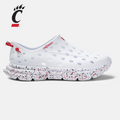
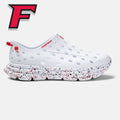
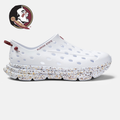
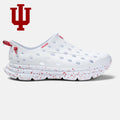
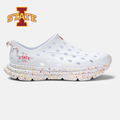
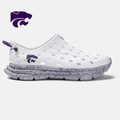
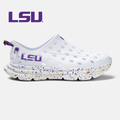
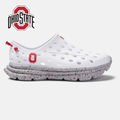
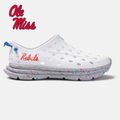
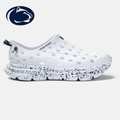
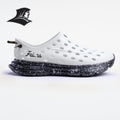
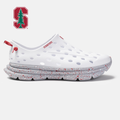
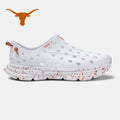
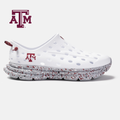
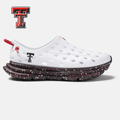
KANE active recovery shoes
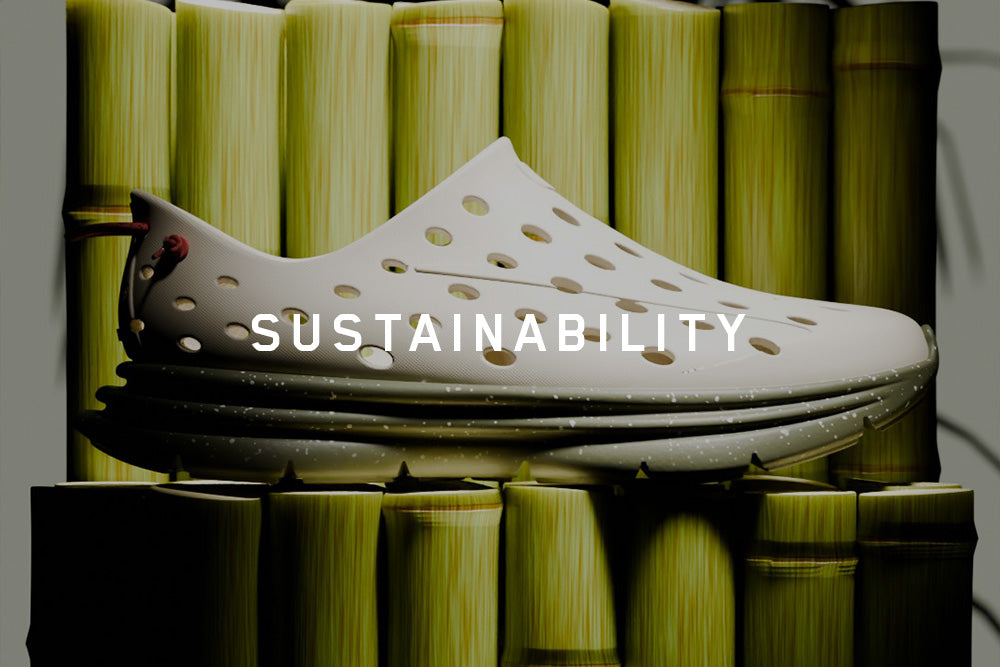
What you wear between runs can also make a difference to recovery. KANE active recovery shoes were developed in collaboration with Dr. Daniel Geller, DPM, a foot and ankle surgeon specializing in sports medicine.
The design features dual-density construction with active arch support and a 9mm heel-to-toe drop that can help with pronation, and in turn help reduce the risk of injury.
"Pronation is huge in the running world. I see so many injuries that are associated with pronation," Dr. Geller explains.
By lifting up the heel and providing the appropriate amount of support we're going to mitigate pronation. This means as you walk, you go from heel to mid-foot to propulsion smoothly, reducing stress and strain that leads to injury."
The heel and foot capture design can reduce strain on your calves and Achilles while supporting proper alignment.
When and how to wear KANE Revive
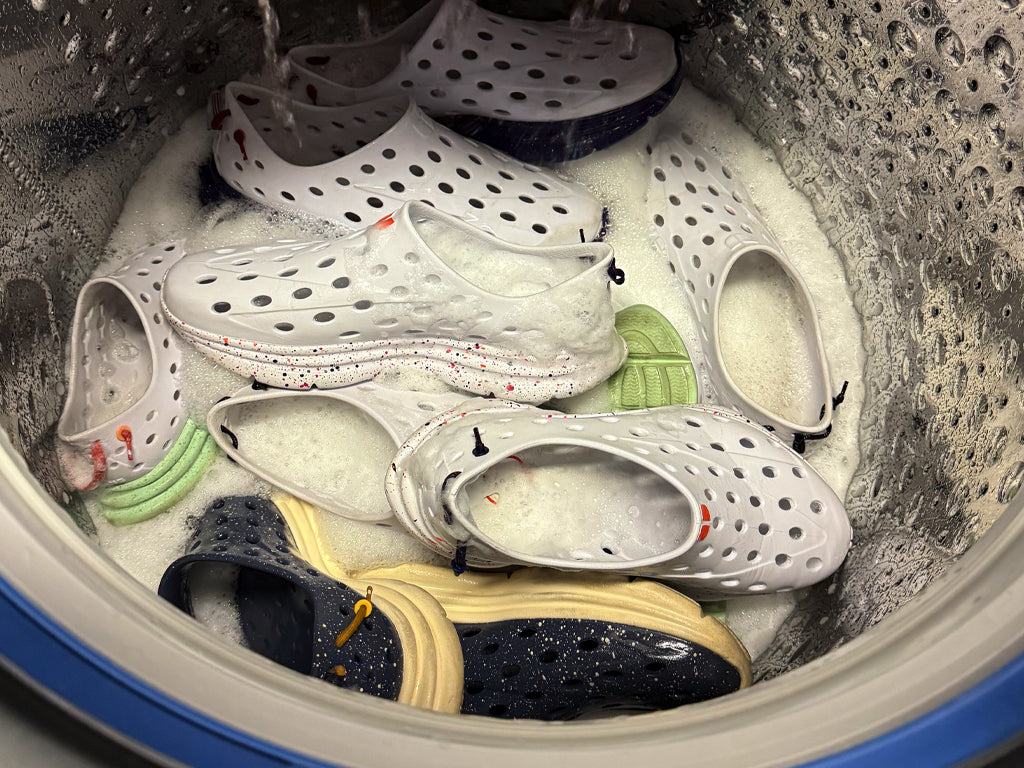
Wear recovery footwear directly after runs to support healing. Use them around the house, for errands, during warm-ups, and anywhere you're on your feet outside of running.
Treating runner's knee and other knee pain
When knee pain strikes despite your prevention efforts, taking action quickly leads to faster recovery.
Immediate care and modifications
Start by modifying your activity. Reduce mileage or take a complete break from running if pain worsens during runs. Persistent or increasing pain signals a problem. Listen to your body, and switch to low-impact physical activity like swimming or cycling while your knee recovers.
Gentle movement and compression help manage discomfort while supporting natural healing. Use a compression wrap to minimize kneecap swelling. If pain is severe, cold packs can provide temporary relief, though gentle movement better supports tissue repair.
Supportive shoes throughout the day reduce strain on your knee joint. Avoid flat, unsupportive footwear during recovery—your knees need consistent support, not just during workouts.
Physical therapy and rehabilitation
A physical therapist specializing in sports medicine can make the difference between quick recovery and lingering pain. They perform a thorough physical exam and review your health history to understand your situation. Many offer gait analysis to identify biomechanical issues in your running form.
Your physical therapist will design a personalized program addressing your risk factors and weaknesses: targeted strengthening exercises, manual therapy to release tight muscles, and running mechanics corrections to reduce pain and strain.
Additional treatment options
Over-the-counter NSAIDs can help manage pain and swelling in the short term. Supportive braces or kinesiology tape can help stabilize your kneecap. Sometimes the best course involves temporarily switching from running to lower-impact activities like swimming or cycling.
Risk factors for developing knee pain
Understanding your risk factors helps you take preventive action before pain starts. Flat feet or high arches increase risk. Runners who increase mileage too quickly, run primarily on hard surfaces, or neglect strength training face a higher injury risk. Non-runners who suddenly start running without building up gradually also face increased risk.
When to see a doctor
Most knee pain responds to self-care within a few weeks. However, certain symptoms require professional evaluation from a sports medicine specialist:
- Significant swelling that appears rapidly
- Inability to bear weight on the affected leg
- Popping sensation with immediate pain
- No improvement after two to three weeks of rest
- Fever along with knee pain
A sports medicine specialist or orthopedic surgeon can perform a comprehensive physical exam, order imaging if needed, and develop an appropriate treatment plan.
Frequently asked questions
Will runner's knee pain go away?
Yes, many cases of runner's knee improve with appropriate treatment within four to six weeks. The key is addressing the underlying cause—whether weak muscles, poor running form, or worn-out shoes—rather than waiting for pain to disappear. Rest, strengthen weak areas, and correct contributing factors. Ignoring symptoms and running through pain can turn a few weeks of recovery time into months of chronic problems.
What is runner's knee syndrome?
Runner's knee syndrome, medically known as patellofemoral pain syndrome, causes pain in the front of the knee around the kneecap. It's caused by improper tracking of the patella in the femoral groove. Common symptoms include dull pain that worsens when running downhill, climbing stairs, or sitting with knees bent, plus grinding or a clicking sound. Since your knee joint components work improperly rather than being damaged, the best treatment often focuses on correcting running mechanics rather than surgical repair.
How to fix running form for knee pain?
Shorten your stride to land with your foot beneath your body, increase cadence to 170-180 steps per minute 170-180 steps per minute, and maintain upright posture with a slight forward lean. Many runners benefit from working with a coach or physical therapist for video gait analysis. Small changes in running mechanics often reduce knee pain significantly.
Am I damaging my knees by running?
No, recreational running generally doesn't damage healthy knees or increase arthritis risk. Research suggests Research suggests runners have similar or lower rates of knee osteoarthritis compared to non-runners. Running strengthens cartilage, bones, and connective tissues when done properly with gradual progression and adequate recovery time. Problems arise when runners ignore pain signals or fail to address biomechanical issues. Run smart, rest when needed, and support your body's recovery process.
No content on this site should ever be used as a substitute for direct medical advice from your doctor or other qualified clinicians.