









Your arch bears your body weight and absorbs impact with every footstrike. When you run, forces up to three times up to three times your body weight pass through your feet.
This repetitive stress can overwhelm the muscles, ligaments, and soft tissue in your arch, leading to pain that sidelines your training.
In this guide you will learn how to help treat and prevent arch pain while running with proper footwear, stretches, and recovery techniques.
Key takeaways
- Arch pain while running typically stems from inflammation of the plantar fascia, structural issues like flat feet or high arches, or muscle imbalances that create uneven stress distribution.
- Prevention focuses on wearing properly fitted, supportive footwear during and after runs, gradually increasing training intensity, and incorporating targeted stretching and strengthening exercises.
- Recovery footwear plays a critical role in managing arch pain by providing support during the hours after your run when your feet need relief most.
Understanding arch pain in runners
Arch discomfort shows up differently for different runners. Some experience a dull ache that develops gradually throughout a run. Others feel sharp pain, like stabbing sensations, most intense in the morning or when starting a workout. The location varies from the center of the arch to pain radiating toward the heel or ball of the foot.
Your foot arch consists of bones, ligaments, tendons, and foot muscles working as a shock-absorbing system. When strained through repetitive impact, various forms of foot arch pain can develop. Understanding the underlying cause helps you make informed decisions about treatment and prevention.
Common causes of arch pain when running
Identifying the underlying cause of your discomfort is essential for effective treatment. Multiple factors can contribute to arch pain, often working in combination.
Plantar fasciitis
Plantar fasciitis Plantar fasciitis is the most common cause of arch pain in runners. This condition involves overload of the plantar fascia (the thick band of tissue connecting your heel to your toes), and although it's commonly described as inflammation, longer-lasting cases often involve tissue degeneration as well. While many associate plantar fasciitis with heel pain, inflammation can cause foot pain anywhere along the arch.
When foot muscles are weak or fatigued during running, the plantar fascia bears excessive tension with each footstrike. Micro-tears develop, triggering inflammation and sharp pain that's often worse in the morning, after sitting for extended periods, or at the start of a run. The pain may decrease as you warm up, only to return afterward.
Flat feet and high arches
Flat feet Flat feet can cause problems when your arch collapses with each step. The posterior tibial tendon connects calf muscles to the foot and works overtime to support low arches. When overstretched, the posterior tibial tendon dysfunction develops, causing pain along the inside of the arch.
High arches (cavus foot) create a rigid structure that doesn't absorb shock effectively, forcing foot muscles to work harder. This concentrates pressure on the heel and ball of the foot.
Overpronation and training errors
Overpronation Overpronation occurs when your foot rolls excessively inward with each stride. A certain amount of pronation is normal and helps with shock absorption, but excessive pronation can stretch the plantar fascia and create abnormal stress patterns throughout the foot.
Training errors explain many cases of arch pain from running. Rapidly increasing mileage or suddenly changing surfaces overwhelm your feet. Without adequate rest days, micro-damage accumulates. Hard surfaces like concrete can amplify impact and add more stress to your arch, while softer surfaces like trails can reduce these contributing factors.
Improper footwear and weak muscles
Worn-out shoes, improper fit, or inadequate support contribute significantly to arch pain. Running shoes lose cushioning over time. Shoes that are too tight or too loose both stress the arch. Getting fitted by a sports podiatrist or specialty store helps you find new shoes that match your foot type.
Weak foot muscles and tight calf muscles also play a role. Intrinsic foot muscles maintain arch height and control motion. Tight calf muscles limit ankle mobility, forcing compensations that can add stress to the arch.
How to prevent arch pain from running
Prevention addresses the common causes before they sideline your training. A comprehensive approach combining proper equipment, smart training, and targeted exercises yields the best results.
Choose proper running shoes and recovery footwear
Start by getting professionally fitted at a specialty running store where staff can analyze your gait. For runners with flat feet, shoes with stability features help limit excessive pronation. High arches need extra cushioning to compensate for limited natural shock absorption. Track your mileage and replace your shoes when they're worn out. Even if they look fine cosmetically, the midsole materials can break down and lose protective properties.
What you wear after your run matters just as much. Many runners slip into unsupportive sandals or go barefoot, but your feet need support during recovery when micro-tears in the plantar fascia begin healing. This recovery window is when proper support can help prevent problems from developing.
Discover KANE recovery shoes
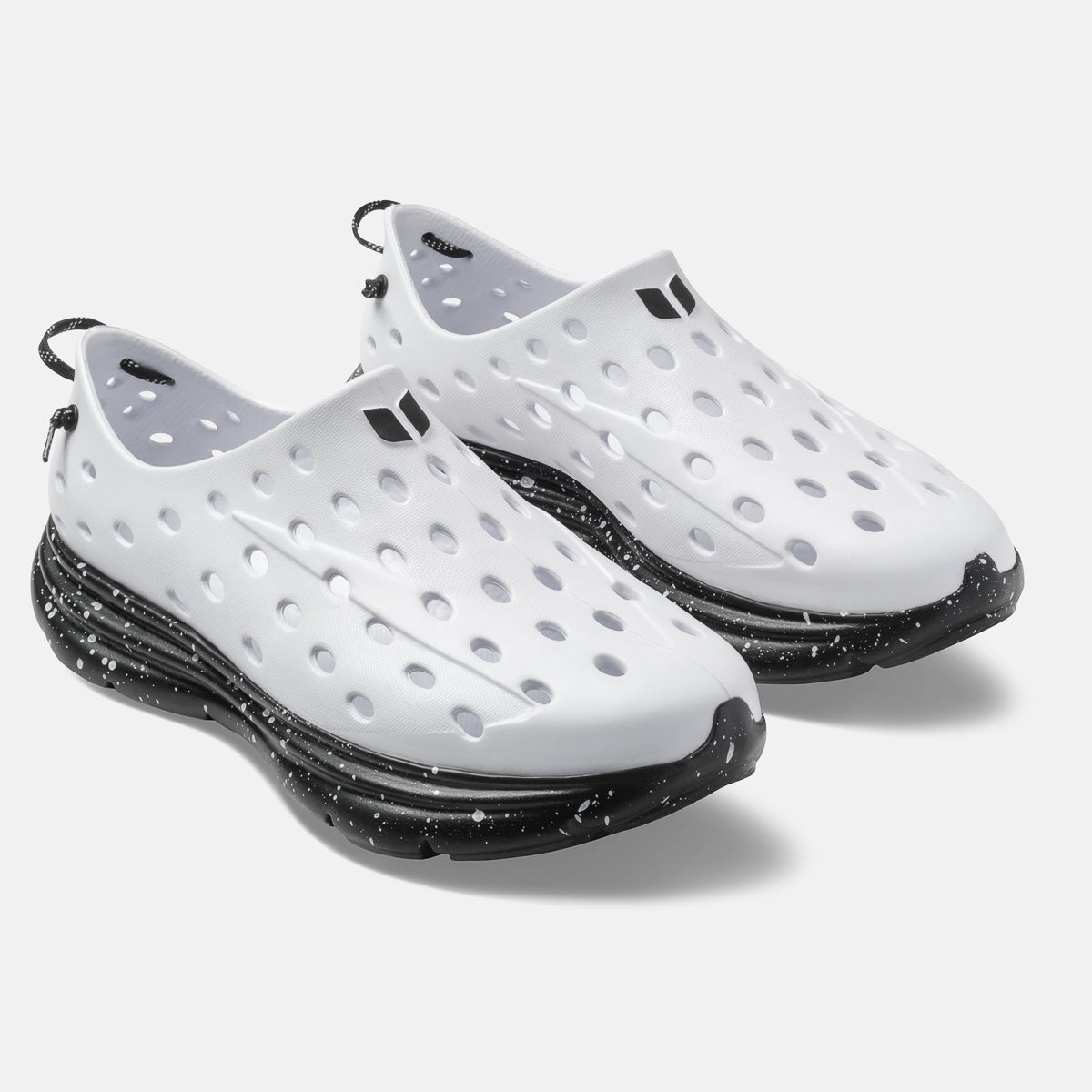
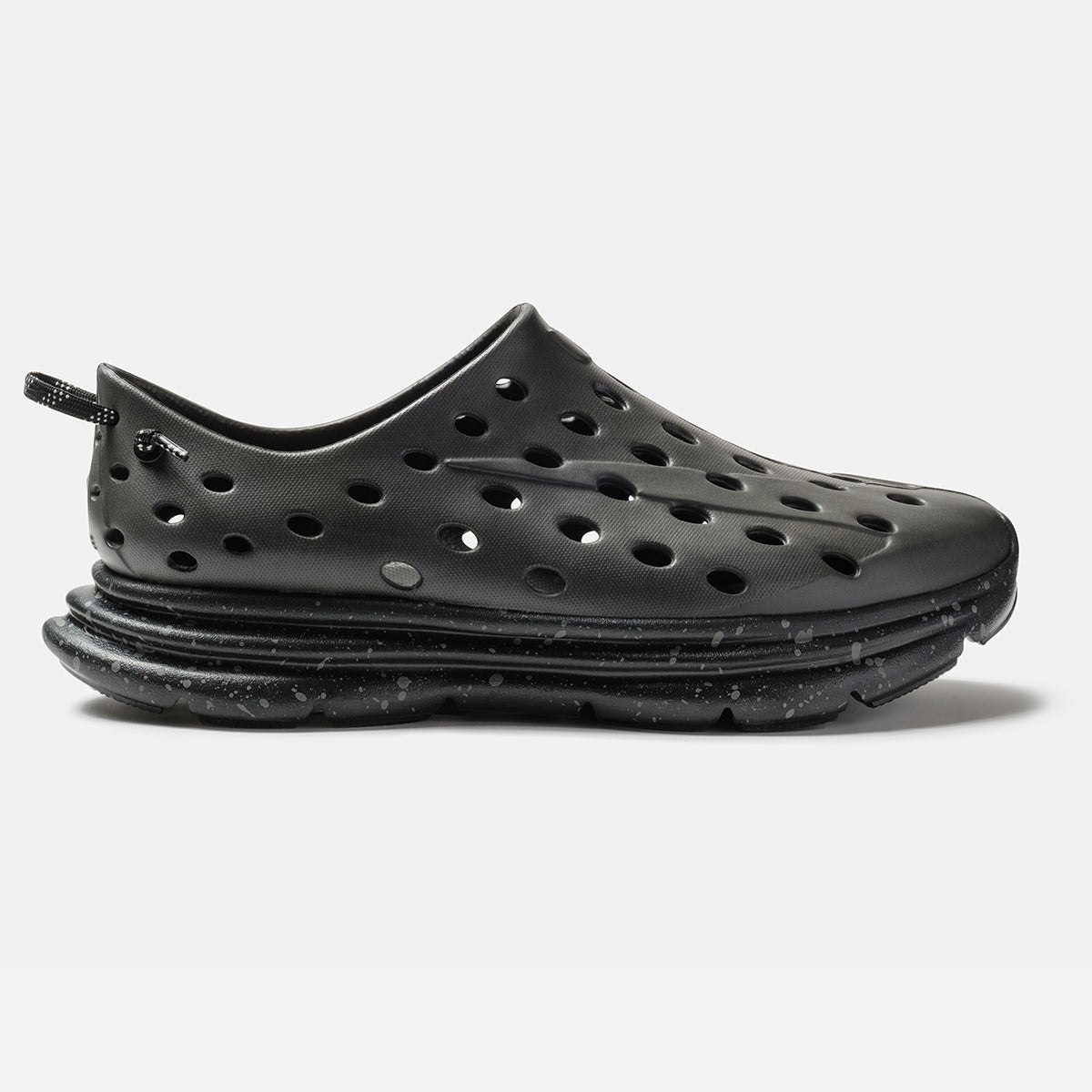
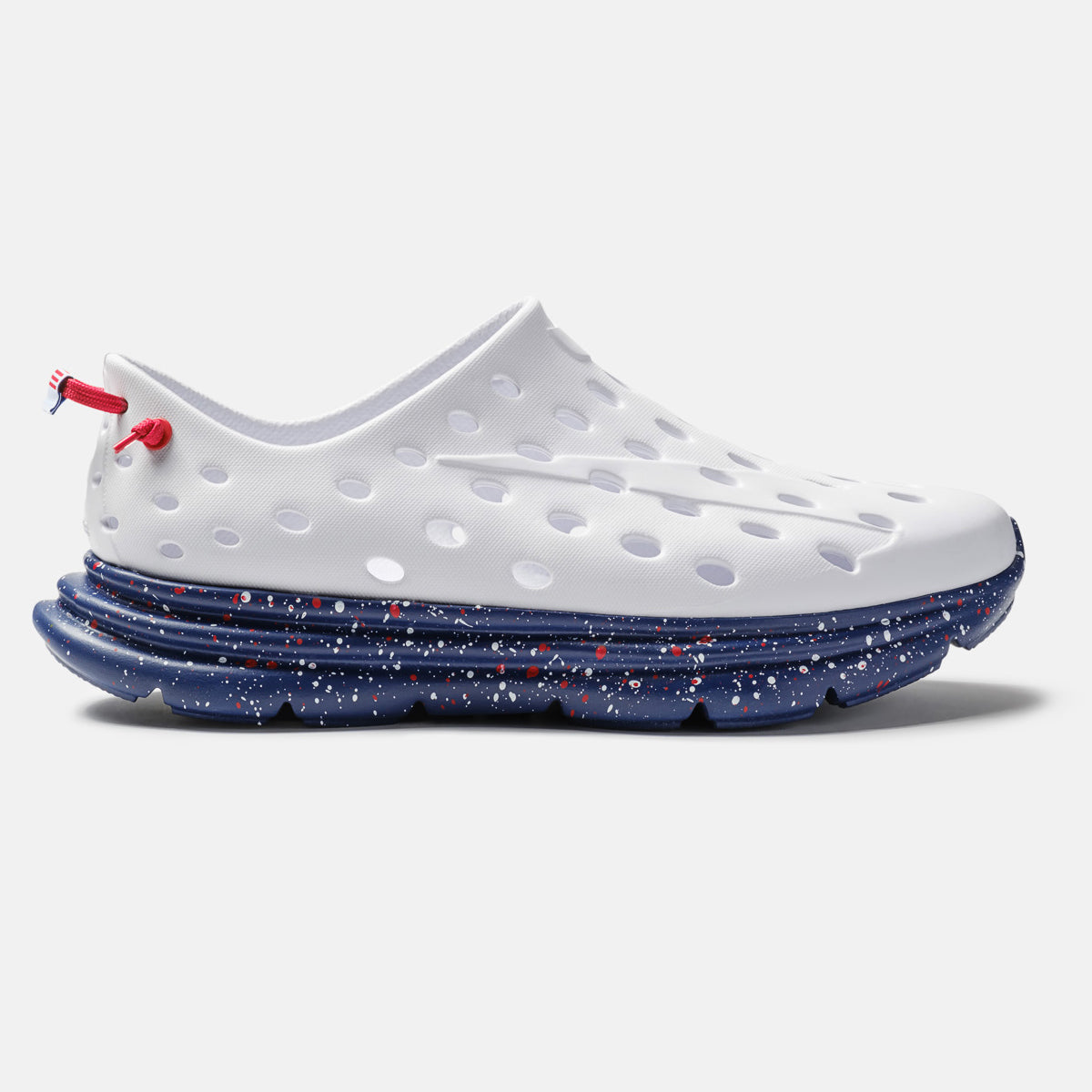
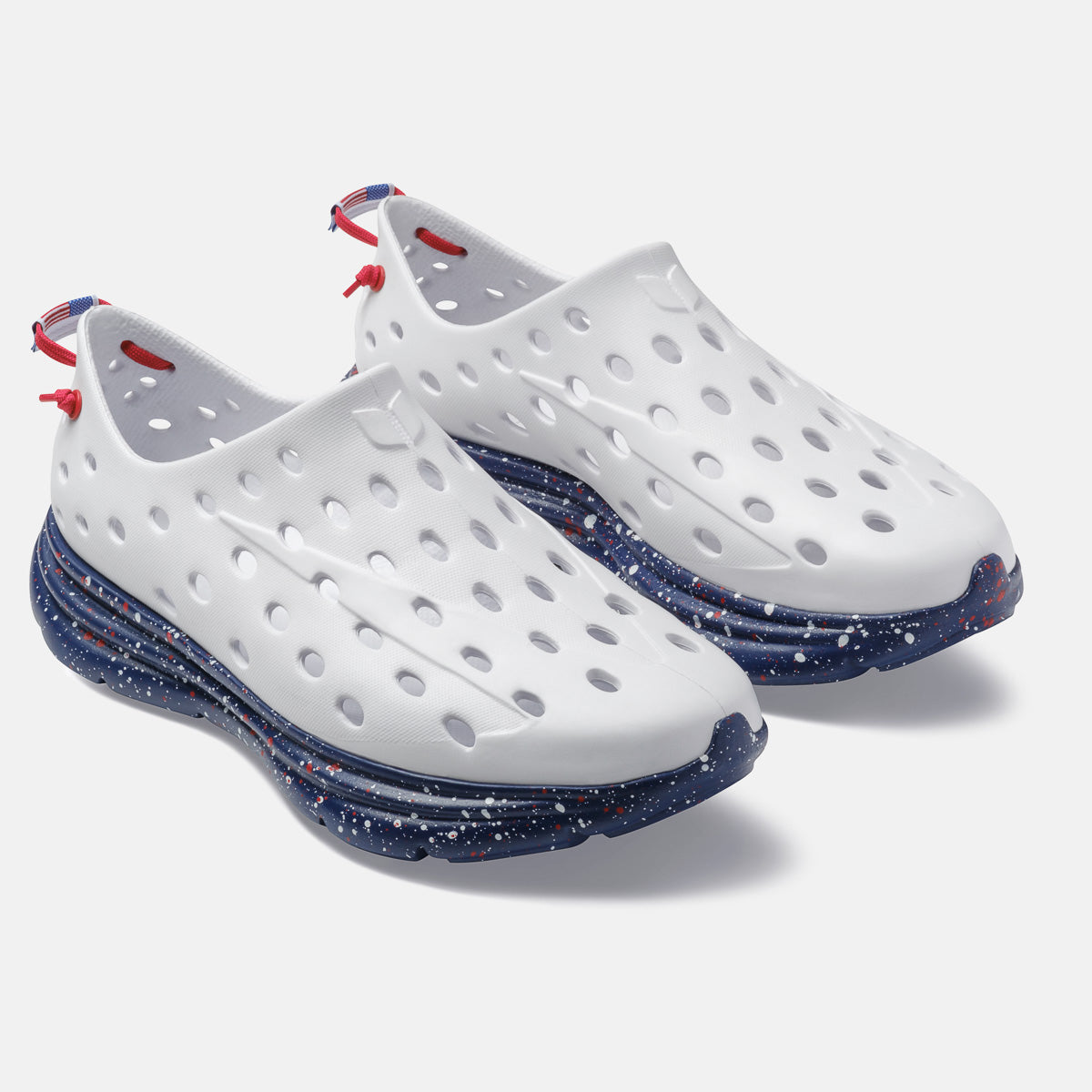
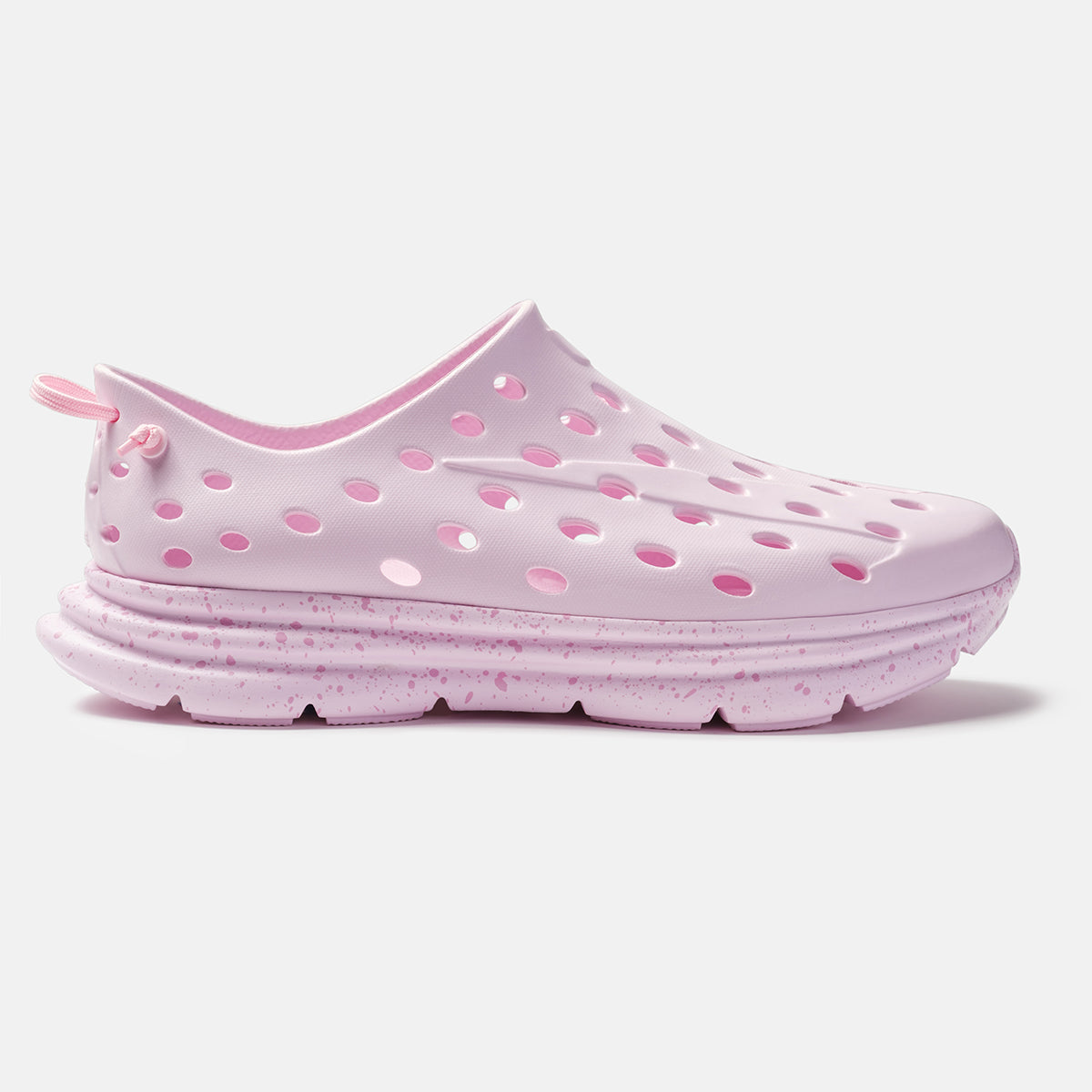
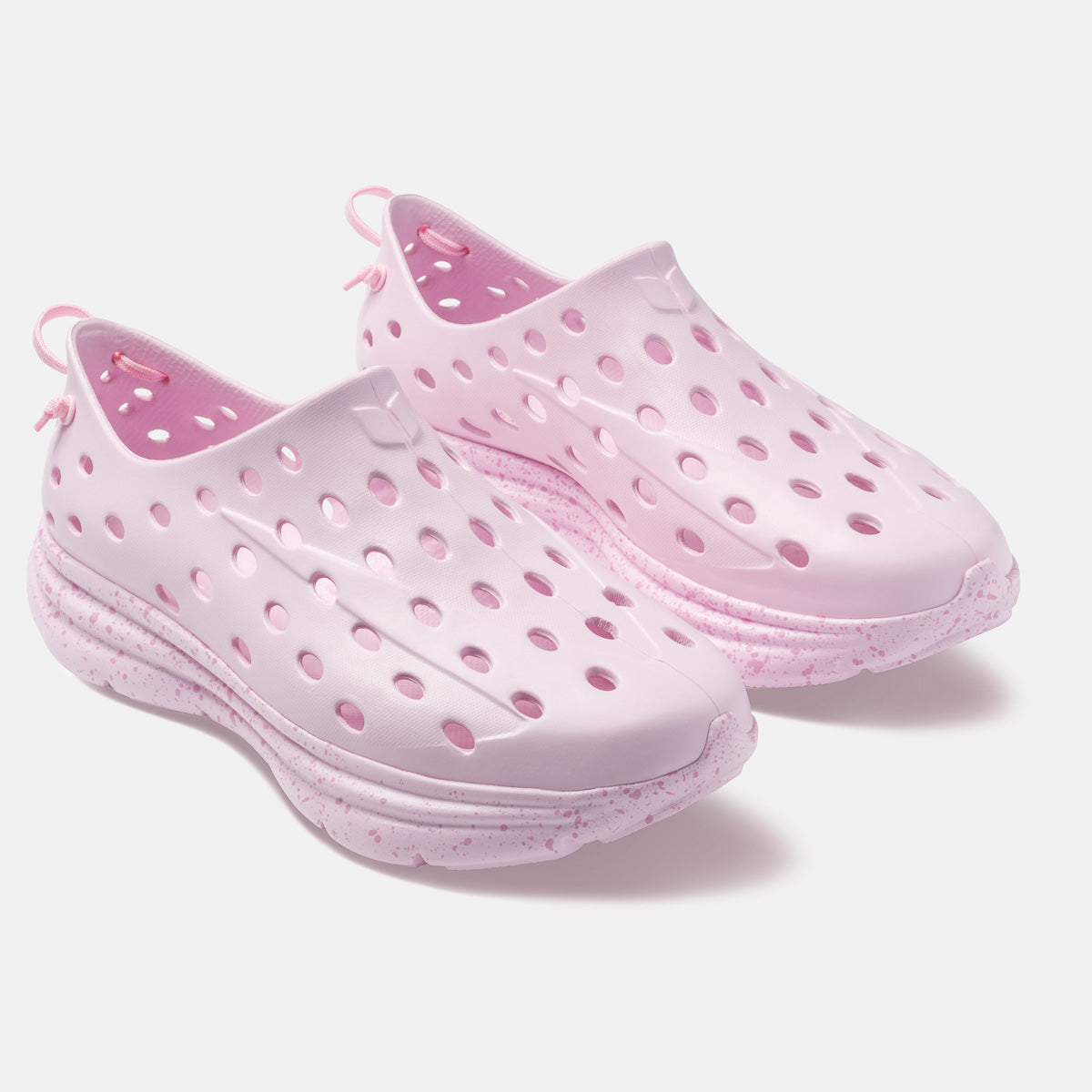
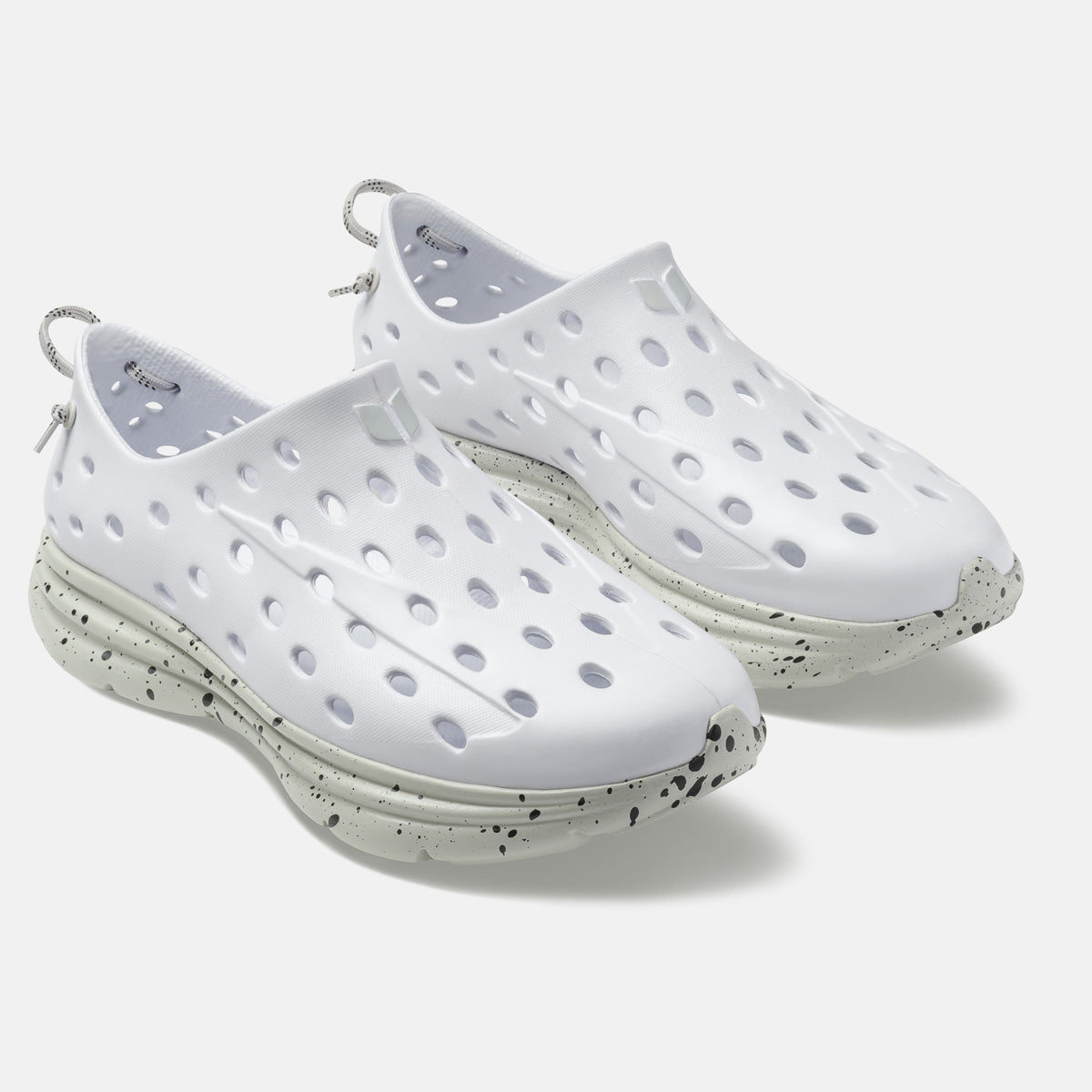
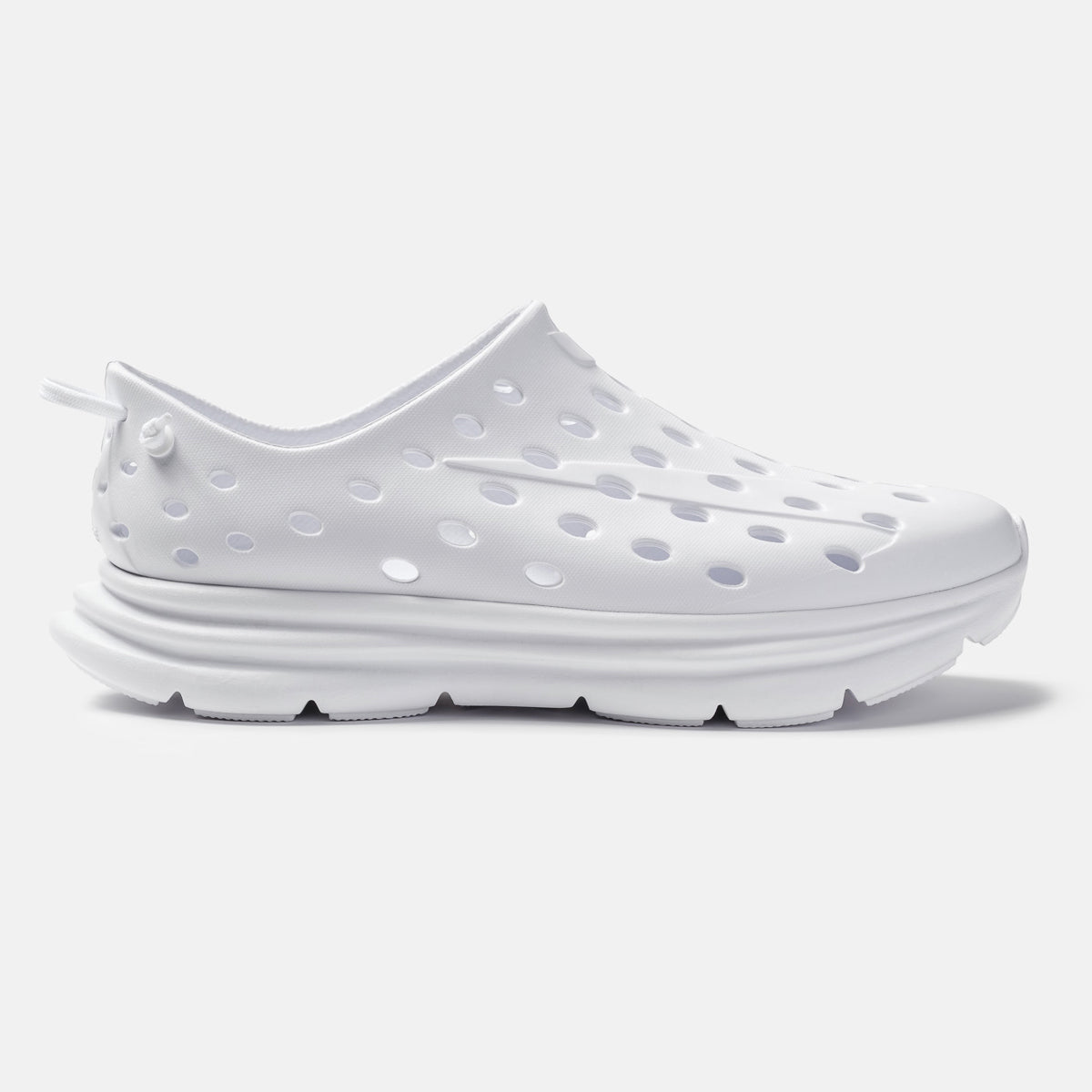
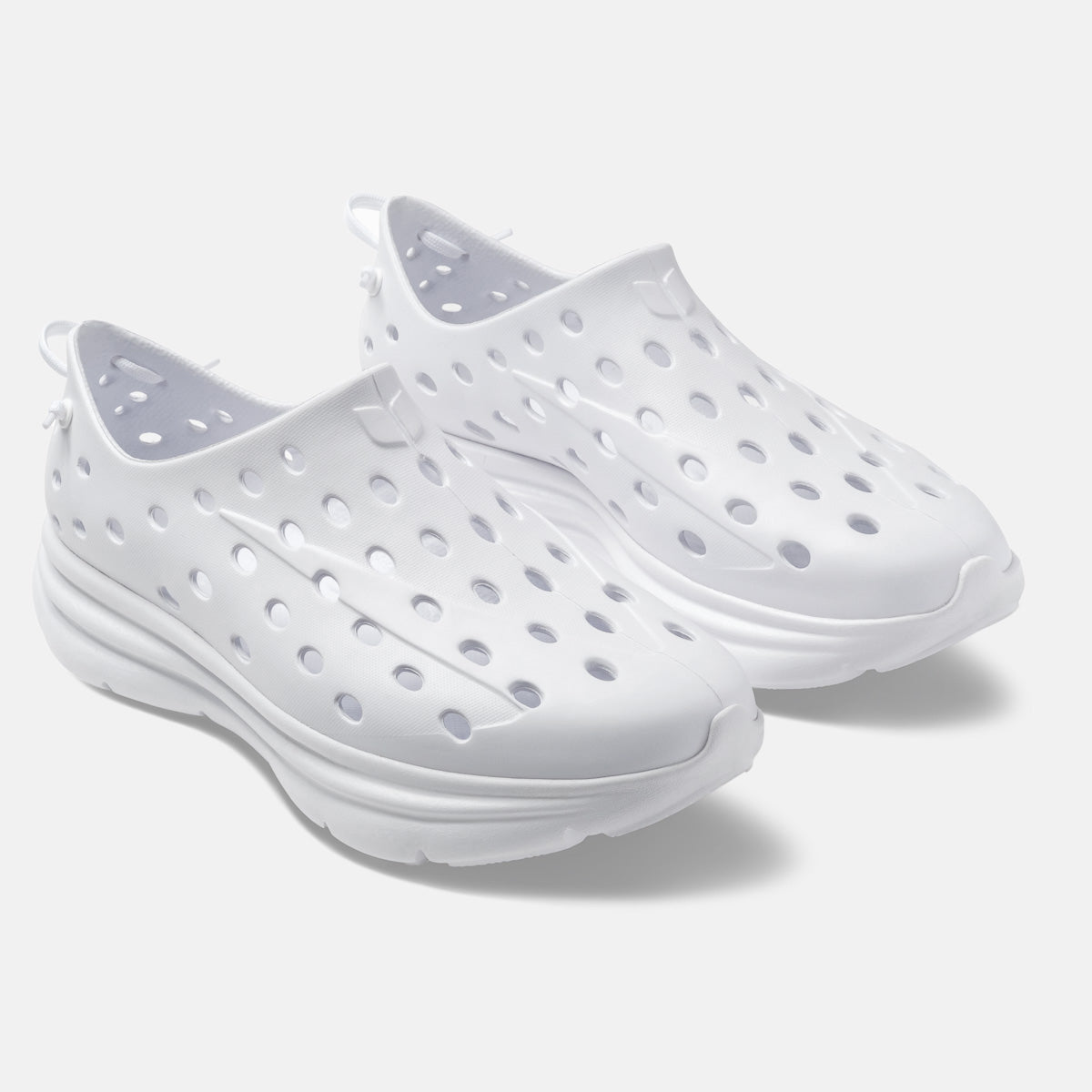
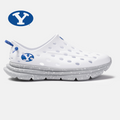
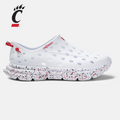
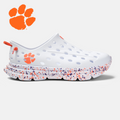
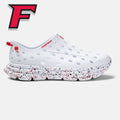
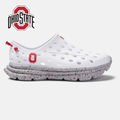
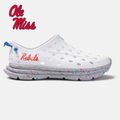
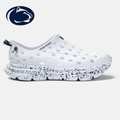
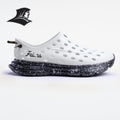
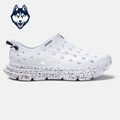
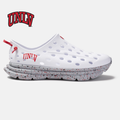
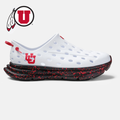
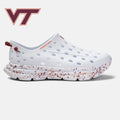
KANE recovery shoes were developed in collaboration with Dr. Daniel Geller, DPM, a foot and ankle surgeon specializing in sports injuries. The design features dual-density construction with active arch support and a raised footbed that promotes blood flow to key pressure points. The 9mm heel-to-toe drop reduces strain on your calf muscles and Achilles.
"By lifting up your heel, you're also going to find that we support the arch," Dr. Geller explains. "Pronation is huge in the running world, in the walking world, and I see so many injuries that are associated with pronation. By lifting up the heel and providing the appropriate amount of support, we're going to mitigate pronation."
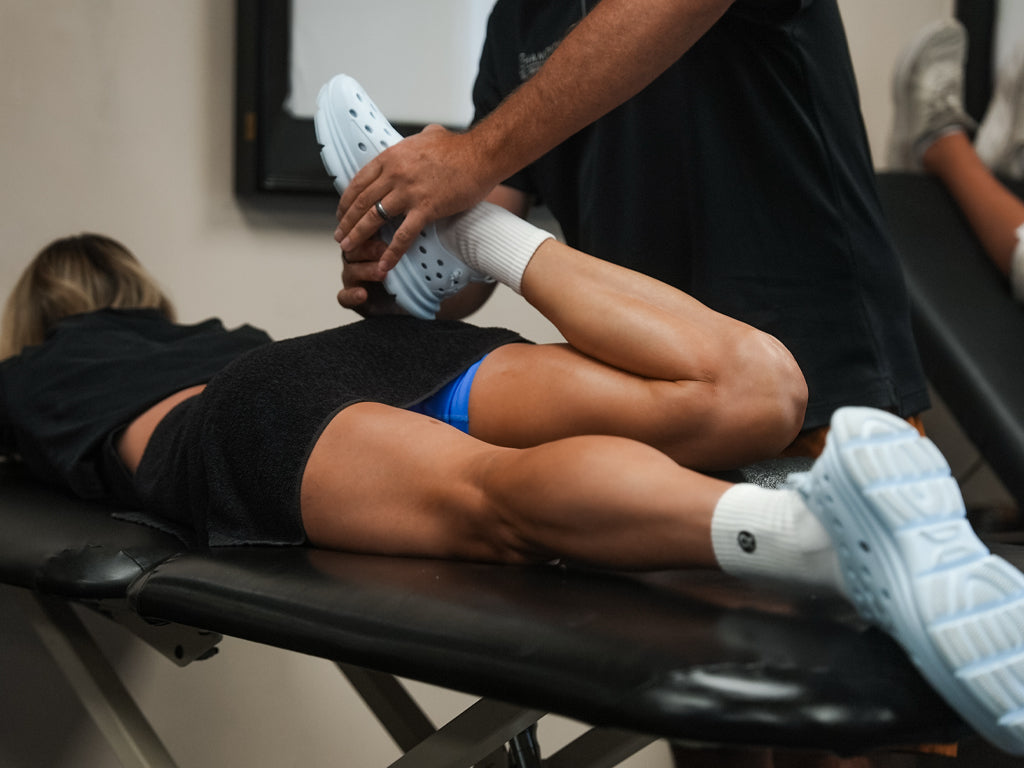
Wear recovery footwear directly after running, around the locker room, during stretches, or on the way to physical therapy.
Progress gradually and adapt if necessary
Follow the 10% rule: increase weekly mileage by no more than 10% at a time. This gives your body time to adapt to increasing demands. When adding speed work or hill training, temporarily reduce your overall volume—these higher-intensity sessions place different stress on your feet than easy distance running.
Incorporate rest days into your training schedule. Your arches need recovery time between demanding sessions. Cross-training with low-impact activities like swimming or cycling gives your feet a break while maintaining fitness.
Choose softer surfaces when possible. Grass, trails, and rubberized tracks absorb shock better than concrete or asphalt, reducing impact on your arches. If you run on roads, vary your route. Switch from softer surfaces to hard surfaces—trails to roads or gravel to concrete—gradually to prevent arch pain.
Strengthen and stretch your feet
Strengthening intrinsic foot muscles builds long-term arch support. Towel scrunches—using your toes to pull a towel toward you while seated—activate often-neglected muscles. Calf raises, both with straight and bent knees, strengthen the lower legs while working foot muscles as stabilizers. Perform these on a step for the full range of motion.
Stretching maintains flexibility and promotes blood flow. Pull your big toe back toward your shin to stretch the plantar fascia. Hold for 30 seconds and repeat several times daily, especially in the morning and before running.
Perform calf stretches with both a straight leg and a bent leg to improve mobility and reduce tension. Hold each stretch for 30-45 seconds after running when muscles are warm. This addresses tight calf muscles that limit ankle mobility and force compensations that stress the arch.
Treating arch pain when it occurs
Acting promptly can prevent arch pain from becoming chronic. If you catch symptoms early—sharp pain during runs, discomfort after walking, or stiffness in the morning—you can find relief faster with the right interventions. The goal is to reduce inflammation, support healing tissues, and address the underlying cause before minor issues become long-term problems.
Immediate care and modifications
Use a tennis ball or other small ball for self-massage—roll it under your arch to release tension and promote blood flow. Gentle movement and compression can help manage discomfort while supporting natural healing. Night splints can maintain a gentle stretch overnight, preventing the tissue tightening that causes morning pain.
Reduce mileage temporarily and cut back on speed work. Focus on easy runs on flat, softer surfaces. If discomfort increases during a run, stop. Ongoing pain signals you need more rest.
Custom orthotics or over-the-counter arch supports can provide good arch support and redistribute pressure. Wearing supportive shoes, like the KANE Revive, throughout the day can reduce strain on recovering tissues.
When to seek professional help
If arch pain persists despite weeks of self-care, consult a healthcare professional like a sports podiatrist or physiotherapist for a physical examination. Warning signs include sharp pain that doesn't improve, visible swelling, or ongoing pain that worsens. A professional can determine whether custom orthotics or other interventions will help.
Building long-term arch health
Preventing arch pain isn't just about avoiding injury—it's about supporting your running goals for years to come.
Consistency beats intensity. A few minutes of daily stretching and strengthening beats occasional marathon sessions. Listen to your body: Minor discomfort after a long run might be normal fatigue, but pain that lasts for days needs attention.
Invest in quality running shoes and footwear for recovery. Supportive shoes throughout the day, not just during workouts, help prevent arch pain. Balance training volume, intensity, and stress with recovery, and your arches will support your running for years.
Frequently asked questions
How to stop foot arch pain when running?
To relieve arch pain, start with properly fitted running shoes in good condition. Incorporate daily stretching for your plantar fascia and calf muscles before and after runs. Slow down your training temporarily and avoid hard surfaces. Use a tennis ball or massage ball to promote blood flow and reduce pain. Wearing supportive footwear after your run gives your feet the support they need to heal. If pain lasts beyond two weeks, see a sports podiatrist or other health professional for a physical examination.
Should I stop running with arch pain?
You don't always need to stop running completely, but you should reduce your mileage and intensity. Mild arch pain that improves during your run and doesn't worsen afterward typically means you can continue training. However, sharp pain that intensifies as you run, ongoing pain that lasts days between runs, or discomfort that affects your gait signals you need complete rest. Listen to your body—pushing through severe pain risks turning minor inflammation into chronic issues like plantar fasciitis. Consider cross-training with low-impact activities like swimming or cycling to maintain fitness while your feet heal. If you're unsure whether to stop running, consult a sports podiatrist or other health professional for guidance.
Can flat feet cause arch pain when running?
Yes. Flat feet cause arch pain because your arch collapses excessively with each footstrike, creating abnormal stress on the plantar fascia and surrounding structures. The posterior tibial tendon connects your calf muscles to your foot and works overtime to support low arches. When overstretched repeatedly during running, this can cause pain along the inside of the arch. Runners with flat feet can benefit from stability running shoes that limit excessive pronation, custom orthotics or over-the-counter arch supports for good arch support, and targeted foot muscles strengthening exercises. Many runners with flat feet run pain-free once they address these factors.
Can running shoes cause arch pain?
Yes. Worn-out shoes that have lost their cushioning force your arches to absorb excessive impact. Shoes that don't match your foot type can exacerbate the problem. An improper fit, whether too tight or too loose, may add additional stress. Transitioning too quickly to minimalist shoes can also result in foot pain. Get professionally fitted at a specialty store and replace shoes when they're worn out. For flat feet, consider stability shoes. For high arches, shoes with extra cushioning may be a good choice. The right running shoes, combined with supportive footwear for recovery, can help prevent arch pain before it starts.
No content on this site should ever be used as a substitute for direct medical advice from your doctor or other qualified clinicians.