







Standing for extended periods can take a toll on your body. Whether you're a nurse pulling 12-hour shifts, a teacher managing classroom activities, or a retail worker helping customers, your feet bear the brunt of prolonged standing. Wearing inadequate footwear only makes things worse, potentially leading to foot fatigue, heel pain, and long-term conditions such as plantar fasciitis.
Wearing appropriate shoes for standing can transform your experience from painful endurance to comfortable productivity. Quality footwear doesn't just cushion your feet. It supports your entire body alignment and prevents issues that can start with tired, aching feet.
This guide covers not only how to select the best shoes for standing but also how to care for your feet once the day is done.

Key takeaways
- Wearing shoes with superior cushioning and arch support helps prevent foot fatigue and pain during extended shifts.
- Recovery footwear supports post-shift healing. Active recovery reduces inflammation and prepares feet for the next day.
- Proper fit, breathable materials, and durable construction are key features contributing to long-term comfort.
The science behind standing all day: Why your shoes matter
Your feet weren't designed for marathon standing sessions on hard surfaces. Prolonged standing can trigger several interconnected stresses that can compound, potentially leading to arch pain, swollen feet and ankles, and other issues.
Over time, this accumulated stress leads to more than just sore feet. Research links prolonged standing to lower back pain, leg discomfort, cardiovascular issues, chronic fatigue, and complications during pregnancy.
Circulatory stress
Blood pools in your lower extremities. Without the pumping action of walking, circulation slows down, leading to swelling and discomfort. This pooling also reduces oxygen delivery to tired muscles, contributing to that heavy, achy feeling.
Structural stress
Constant pressure can cause micro-trauma. The plantar fascia (the band of tissue running from your heel to your toes) stretches and strains. Your arches flatten under sustained weight as the supporting muscles fatigue. Without proper support, this daily stress can accumulate into chronic conditions like plantar fasciitis or heel spurs.
The ripple effect
Poor foot alignment can create a domino effect up your kinetic chain. When your feet hurt, you shift weight unnaturally, which can throw off your posture, straining your knees, hips, and lower back. Many people don't realize that back pain can actually start with the feet.
The work impact is real. An American Podiatric Medical Association survey showed that of the 19% of adults who had experienced foot problems at work, 38% lost productivity, and 28% missed time as a result.
A good pair of comfortable shoes isn't just about comfort. It's about maintaining your ability to perform at your best, day after day. But even the most comfortable shoes can't address what happens to your feet after the shift ends—that's where recovery becomes critical.
Essential features for all-day wear
Shoes suitable for prolonged standing need more than soft padding. Look for these must-have features:
- Cushioning that lasts: Midsole foams, such as memory foam, offer plush comfort or firmer EVA for stable support. Dual-density construction, like KANE's RestoreFoam™, offers both surface cushioning and a supportive base to absorb shock.
- Supportive structure: Robust arch support and a sturdy heel counter keep your foot aligned and reduce plantar fascia strain.
- Roomy fit: A wide toe box lets toes spread naturally and helps prevent bunions or hammer toes.
- Breathability: Mesh panels or moisture-wicking linings keep feet cool and dry on long shifts.
- Durability: Reinforced stress points, solid stitching, and a grippy rubber outsole withstand daily wear.
- Custom options: Removable insoles let you swap in orthotics when needed.
Best walking shoes for different foot types
Understanding your specific foot needs helps narrow down options. To prevent overpronation, people with flat feet need shoes designed with motion control features and firmer midsoles.
The average walking shoe doesn't provide enough arch support for severe cases. High-arched feet need extra cushioning to compensate for reduced natural shock absorption. Running shoes designed for neutral runners often work well here.
People with wide feet need adequate width options. Most shoe companies now offer wide and extra-wide sizes, ensuring a correct fit for different foot width and length combinations.
Choosing the right shoe category for all-day wear
Several shoe categories deserve consideration for prolonged wear. Motion control shoes provide exceptional support for people with flat feet, and their firmer cushioning appeals to those who prefer a more substantial feel underfoot.
For those prioritizing slip resistance, specialized work shoes with certified outsoles provide crucial safety in healthcare and food service environments. These shoes balance safety requirements with the comfort features needed for extended wear.
Running shoes designed for daily training often translate well to standing applications. Their emphasis on shock absorption and comfort makes them suitable for everyday wear beyond running errands.

What podiatrists recommend: Professional insights
Podiatrists recommend shoes with specific features for people who stand extensively. Doctor recommendations emphasize proper fit over brand names. The right shoes for one person may not work for another, even with similar foot types.
Key professional recommendations include:
- Prioritizing support over softness for a stable platform
- Ensuring adequate toe box space for natural foot movement
- Choosing breathable shoes to prevent moisture buildup
- Replacing shoes before support structures break down
- Considering dual-density construction for balanced cushioning and stability
Even with the right shoes, mistakes during selection or maintenance can undo these benefits.
Common mistakes when choosing shoes for standing
Many people prioritize style over function when selecting work shoes, but features related to comfort should drive the decision.
The most common error is buying shoes that are too small. Feet swell during the day, and shoes that feel perfect in the morning can become painful by afternoon. Always account for foot shape changes throughout your shift.
Ignoring replacement timing is another frequent mistake. Even the best shoes lose their supportive properties over time. Wearing worn-out shoes negates any initial benefits and can cause harm.
Testing shoes only on carpet creates false impressions. Hard surfaces reveal the true comfort level of shoes for standing. When trying on shoes, walk on tile or concrete to understand how they'll perform in real conditions.
Even with perfect standing shoes and careful selection, most people overlook a critical element. The hours you spend off your feet are as important as the shoes you wear during your shift. Even the best work shoes can't prevent accumulated fatigue and injury without proper recovery.
Recovery footwear: The missing piece
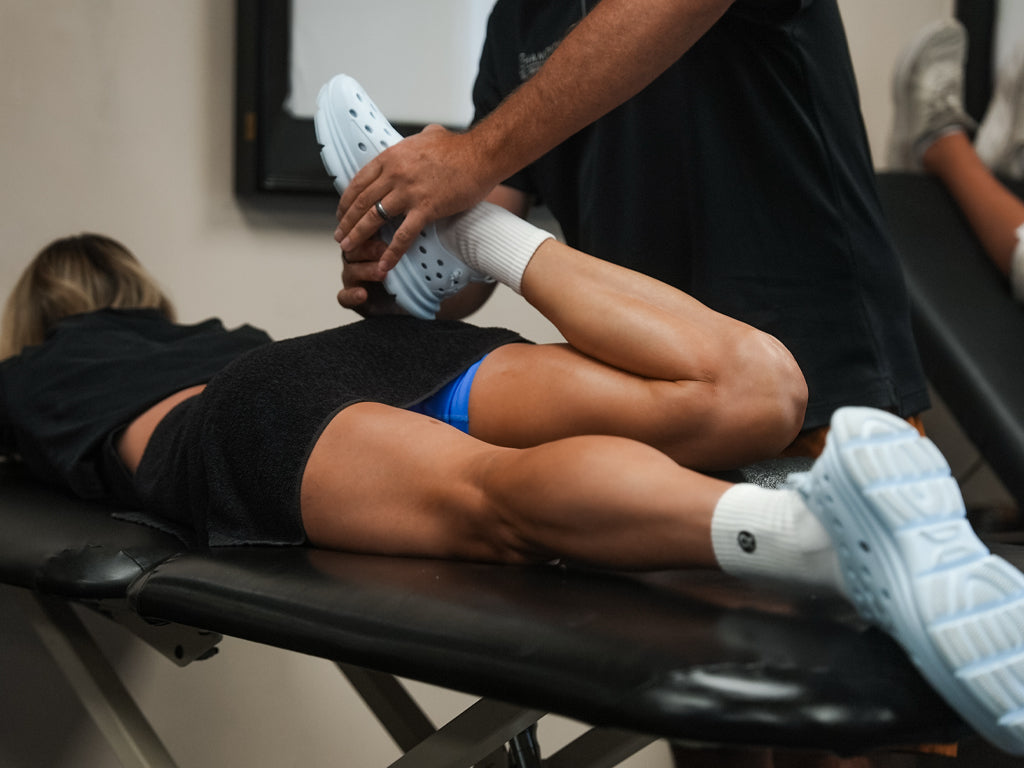
Once you’ve chosen work shoes, give equal attention to how you recover off the clock. After long periods of standing, your feet experience inflammation, reduced circulation, and accumulated stress in muscles and connective tissue. Simply resting isn't enough. Your feet need active recovery to repair and prepare for the next shift.
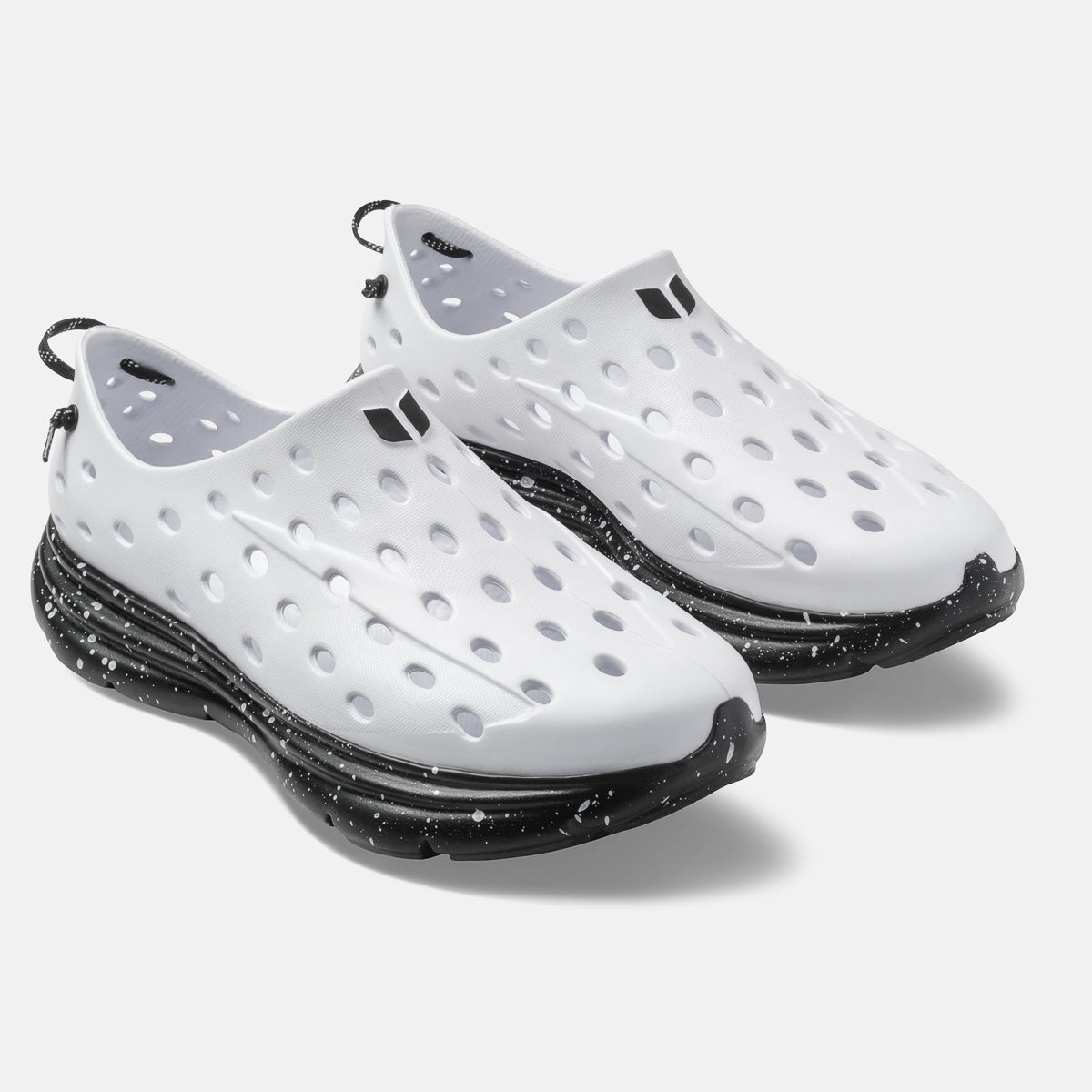
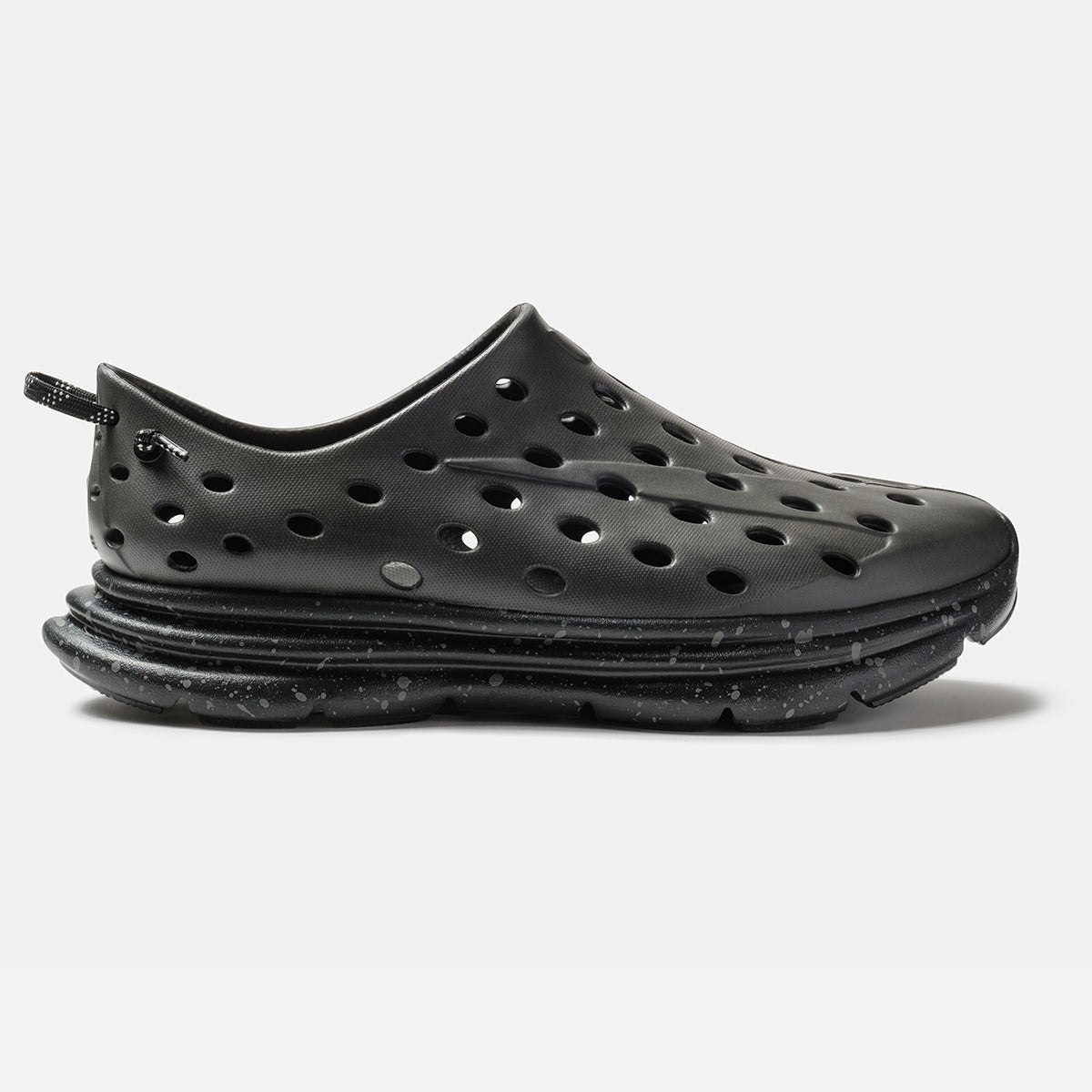
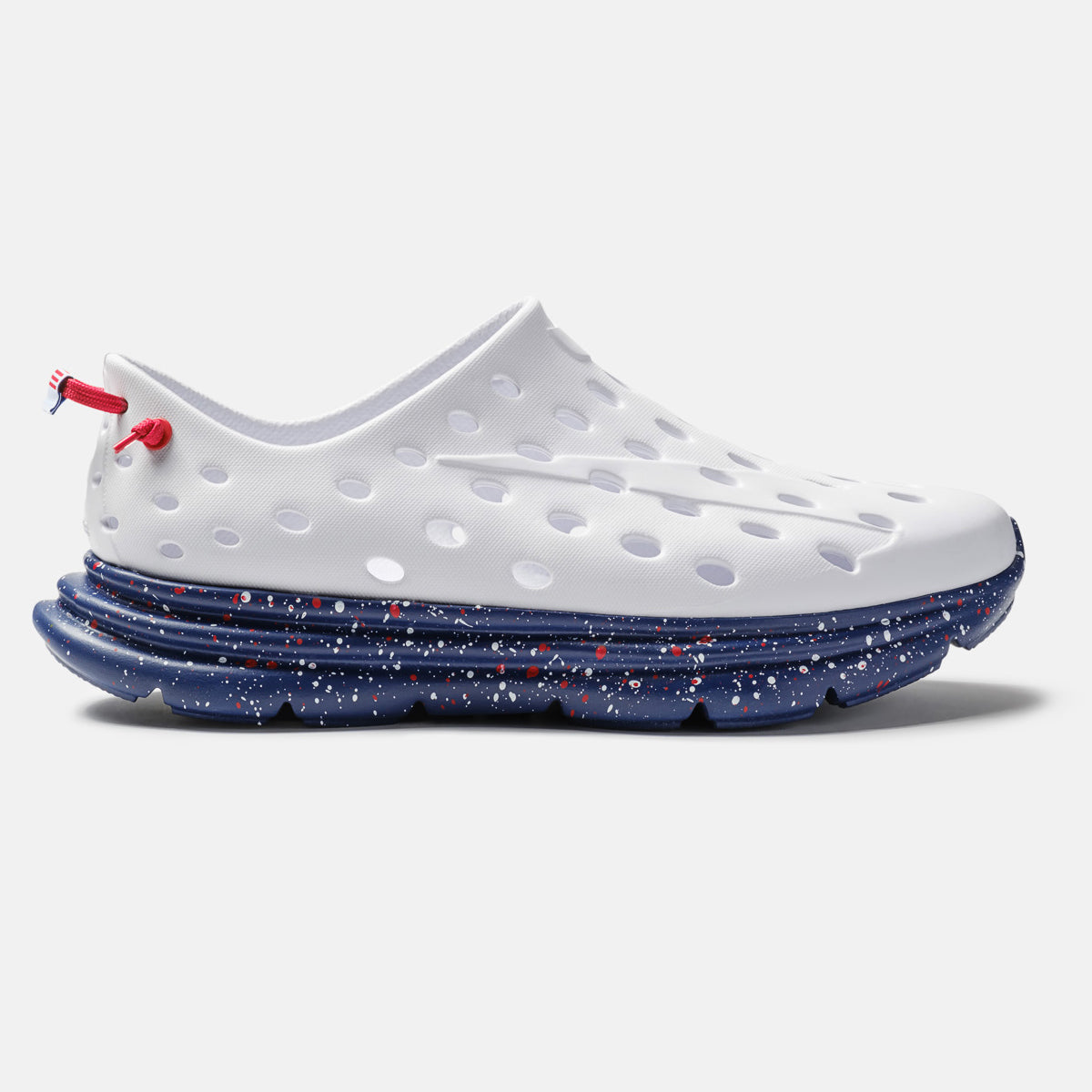
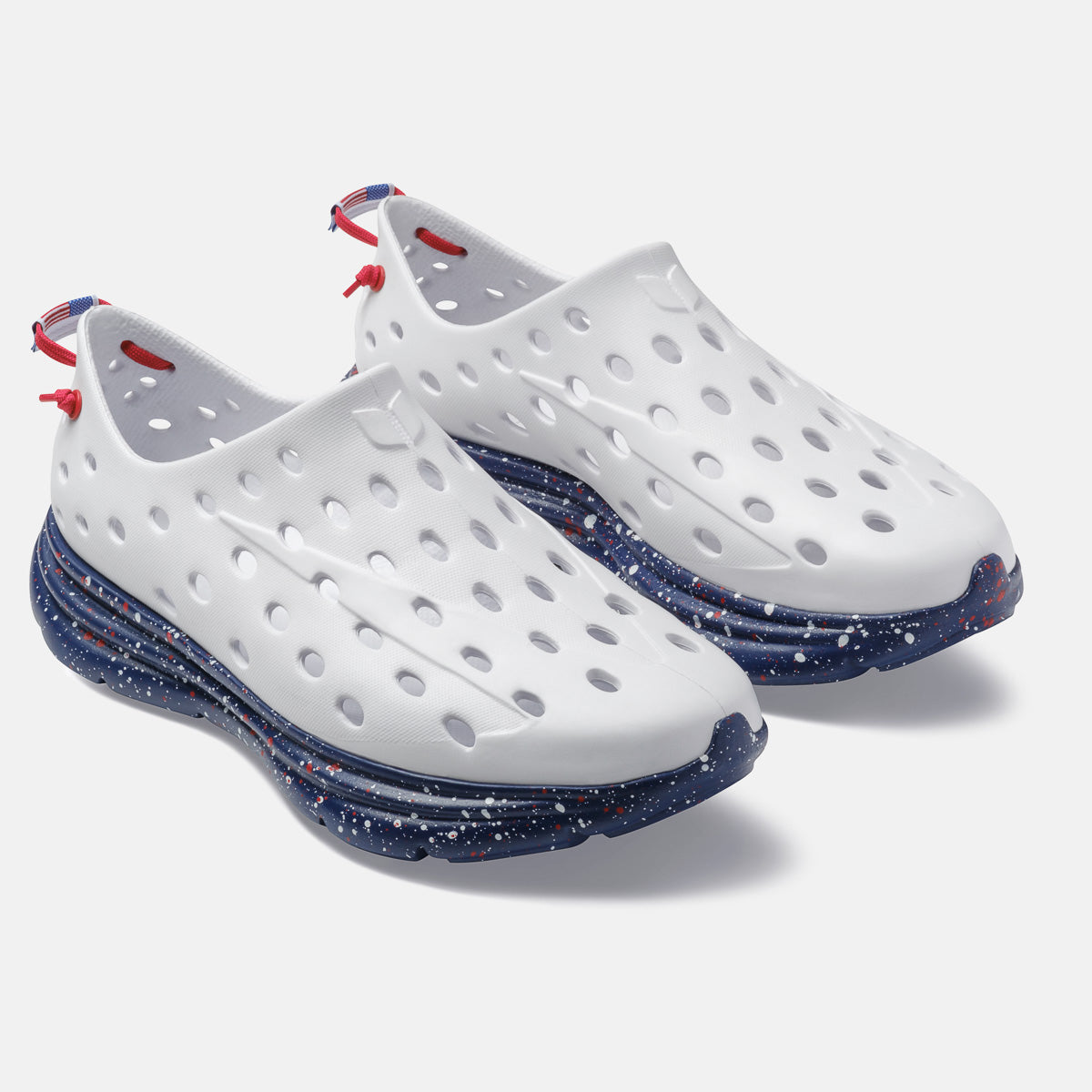
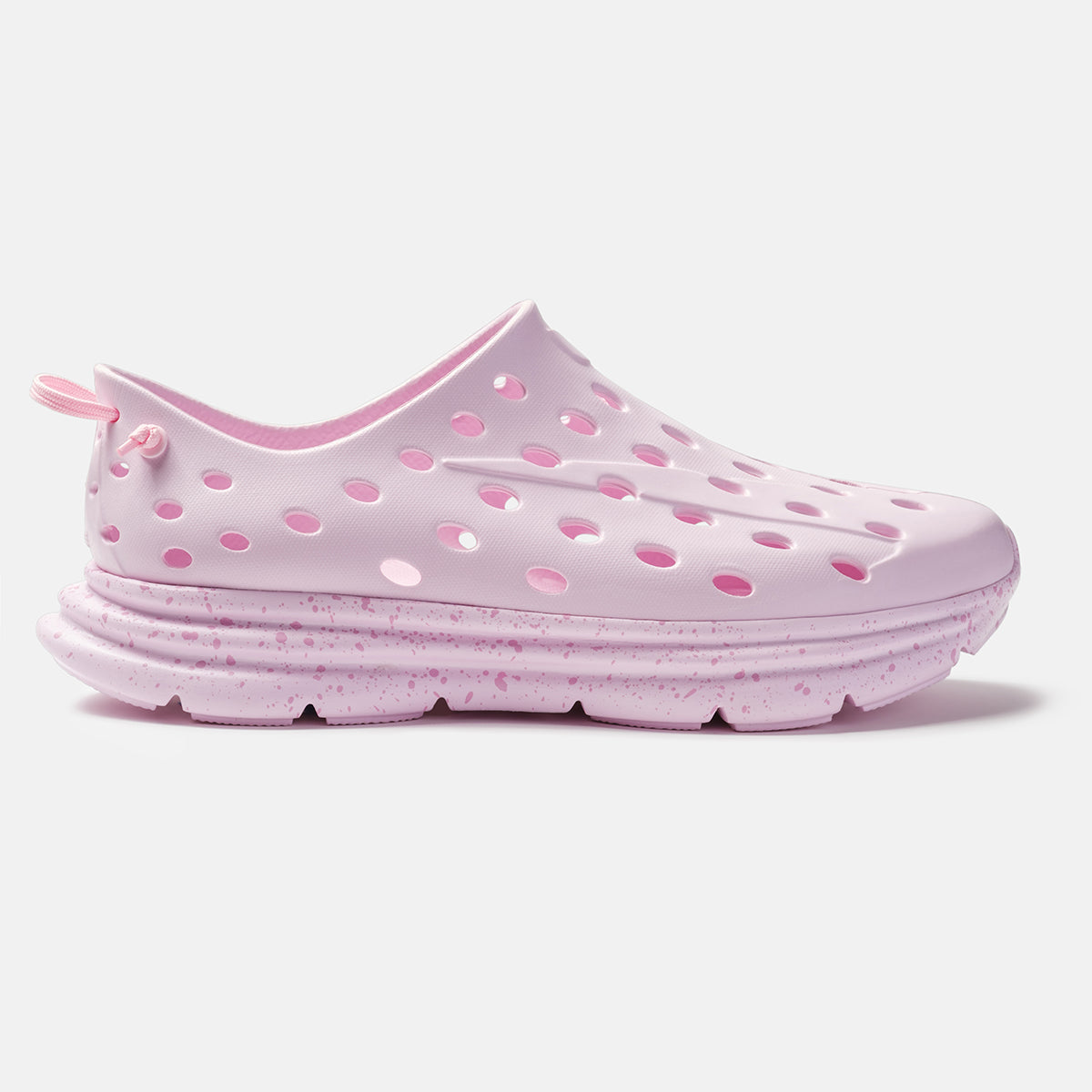
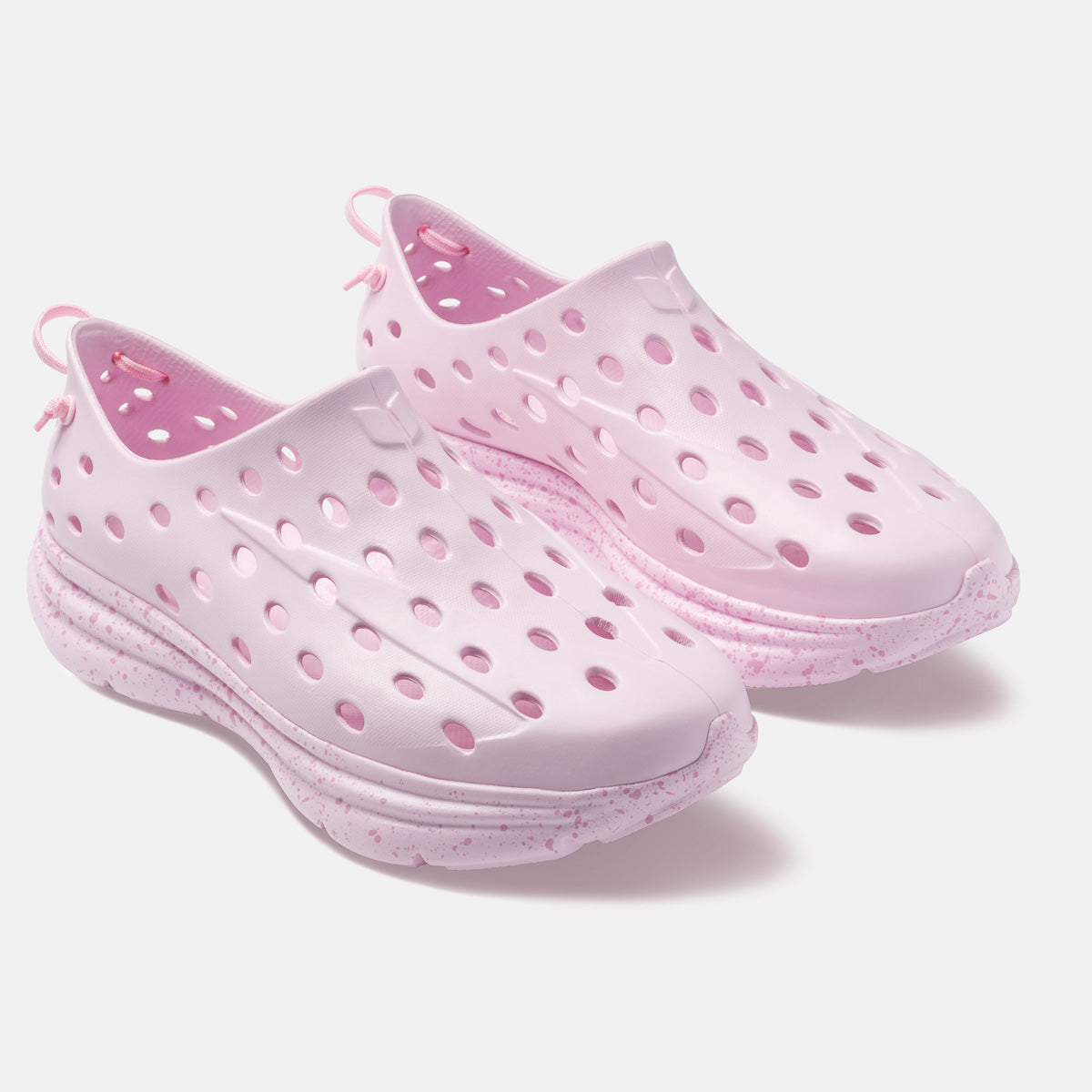
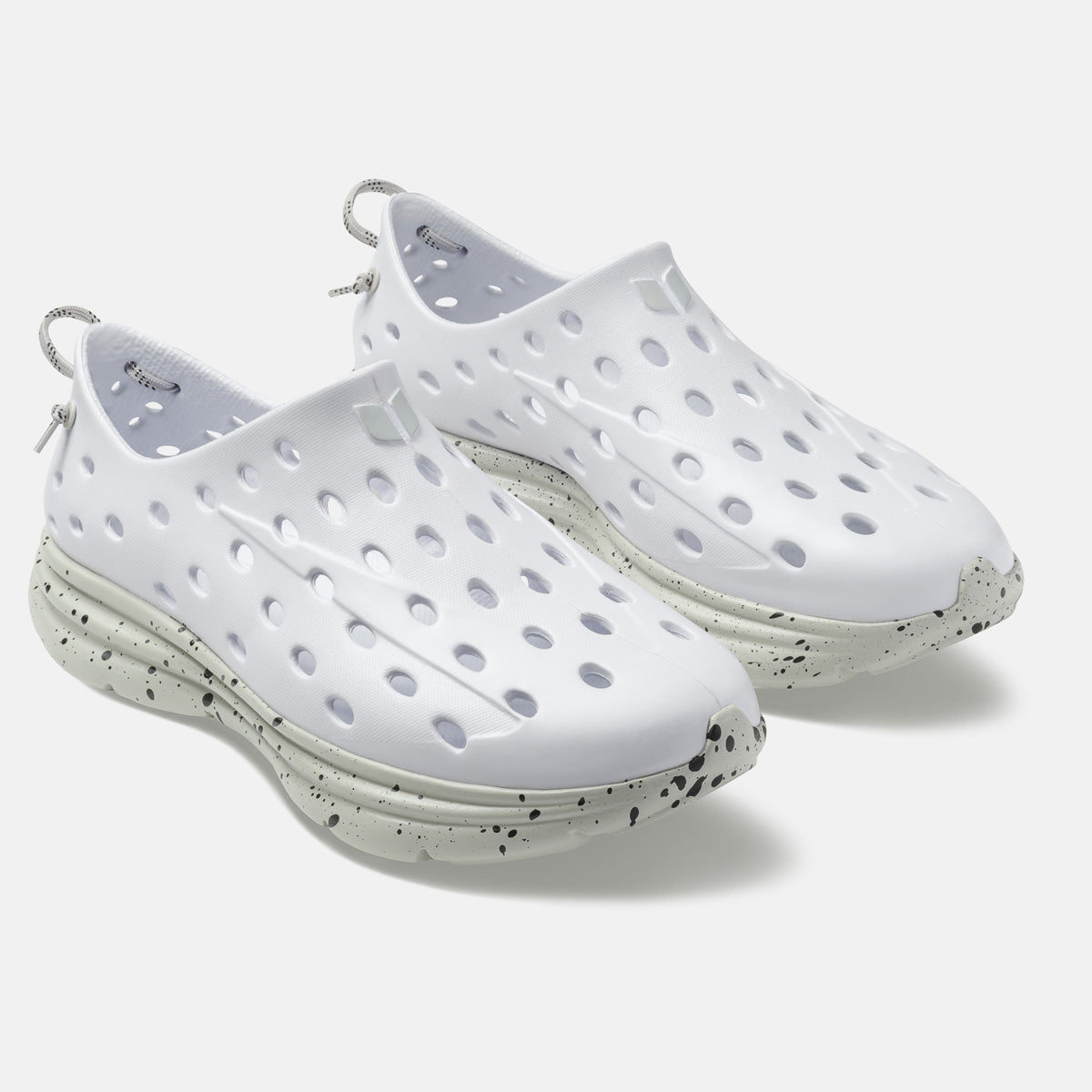
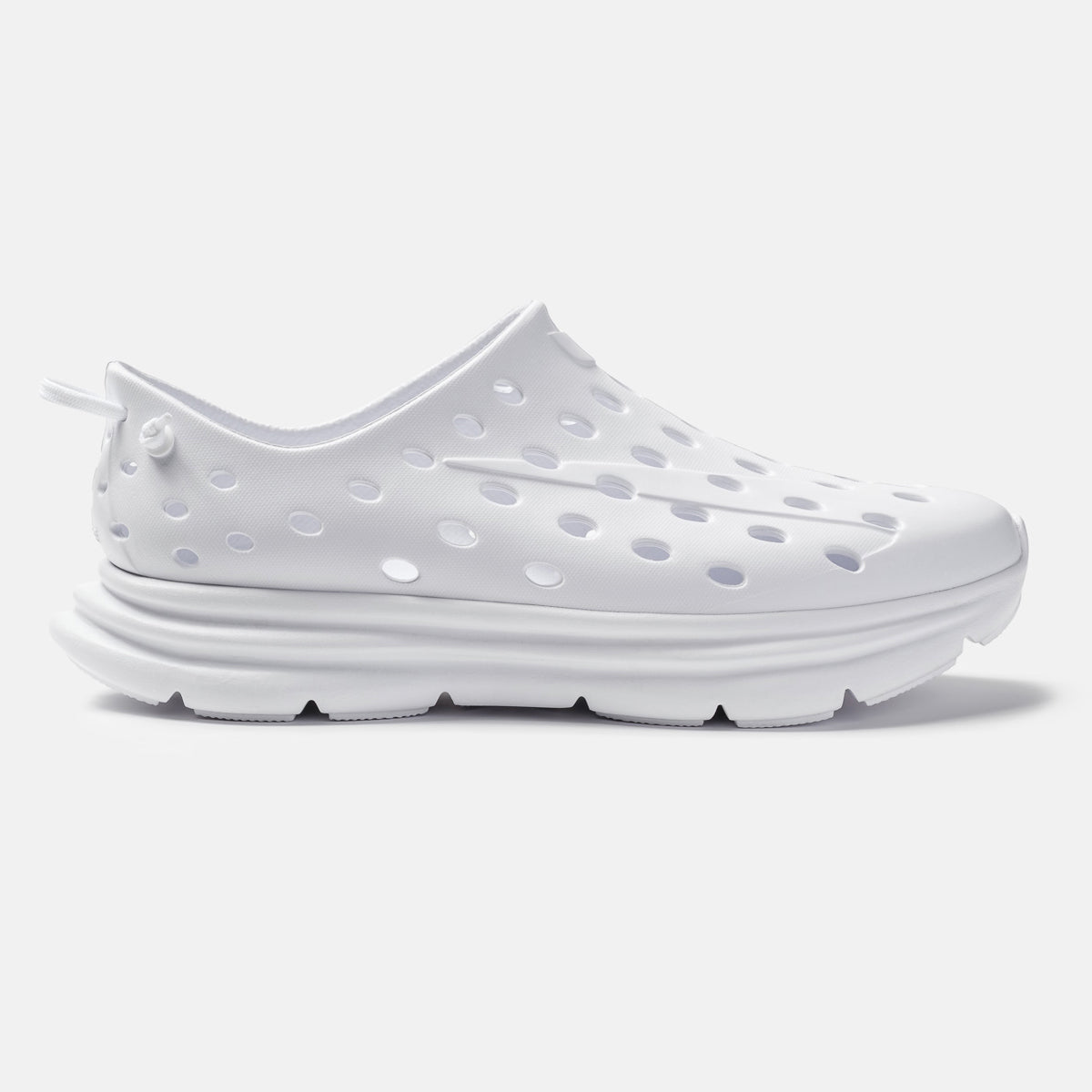
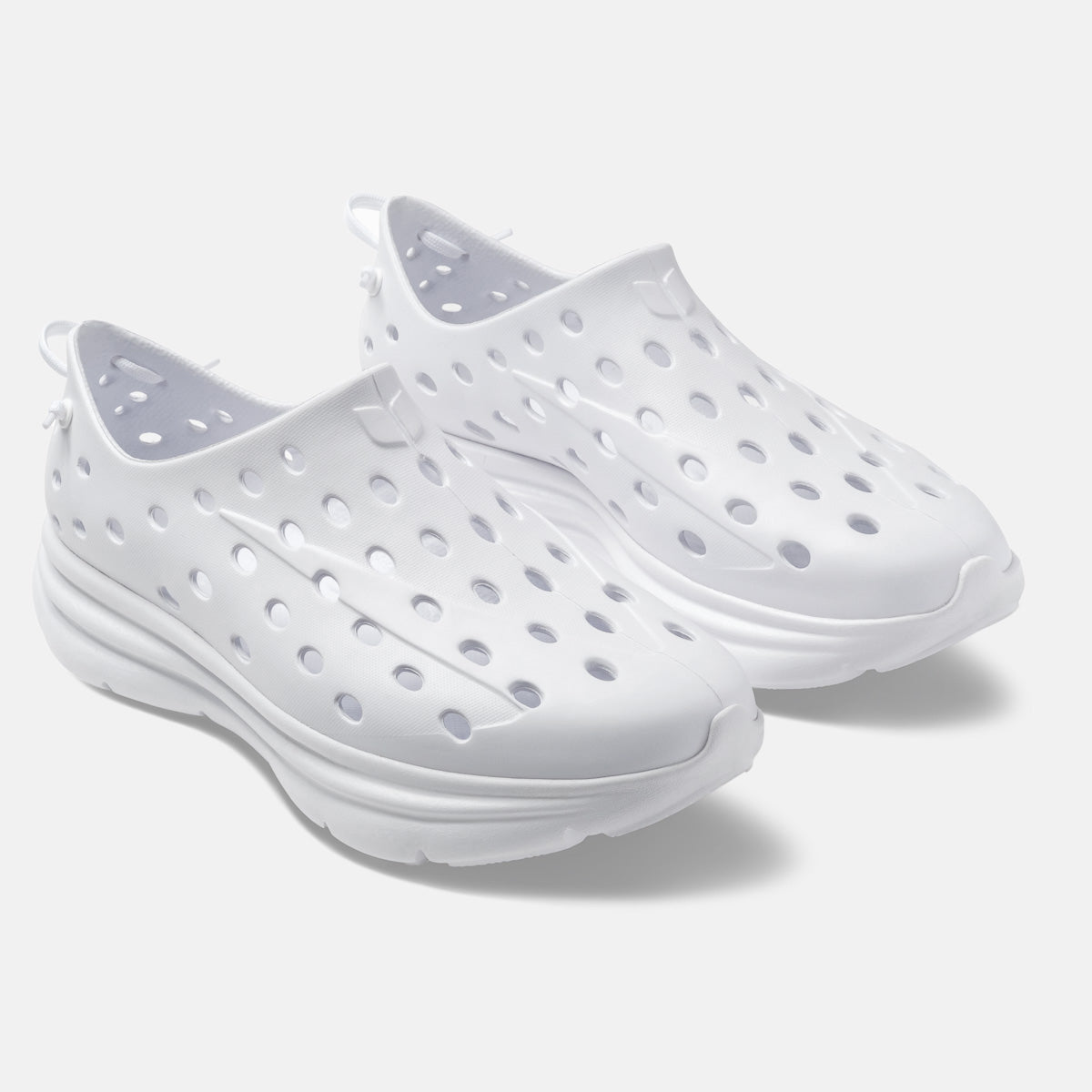
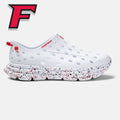
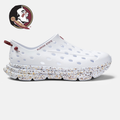
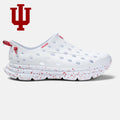
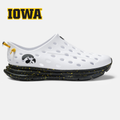
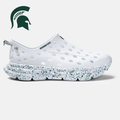
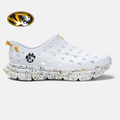
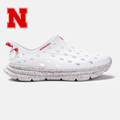
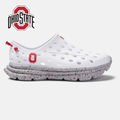
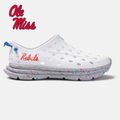
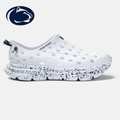
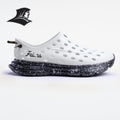
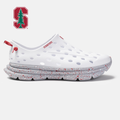
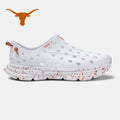
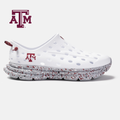
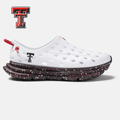
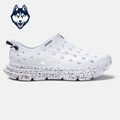
This is where purpose-built recovery footwear like the KANE Revive comes in. Unlike traditional shoes, they're engineered specifically for the restoration phase.
The science of active recovery for your feet
Dr. Daniel Geller, a foot and ankle surgeon focusing on sports injuries, explains the recovery principle: adequate support allows the foot to function optimally after intense activity. Unstructured, over-cushioned options actually make fatigue worse by letting the foot collapse into poor positions.
Effective recovery footwear combines three essential elements:
- Support keeps your foot aligned. Features like heel and foot capture reduce stress on your calves and Achilles. Dual-density construction delivers cushioning with active arch support.
- Comfort soothes exhausted feet. Raised footbed nodes stimulate key pressure points to improve circulation, and a 9 mm heel-to-toe drop enables smooth energy transfer.
- Versatility ensures performance anywhere. Oversized channels and siped soles provide traction, while water-friendly materials handle indoor and outdoor use.
Discover KANE: The original recovery footwear
KANE created the recovery footwear category with science-driven design principles. Working with Dr. Geller, KANE integrated recovery-based orthopedic principles into footwear that helps people come back better after demanding days on their feet.
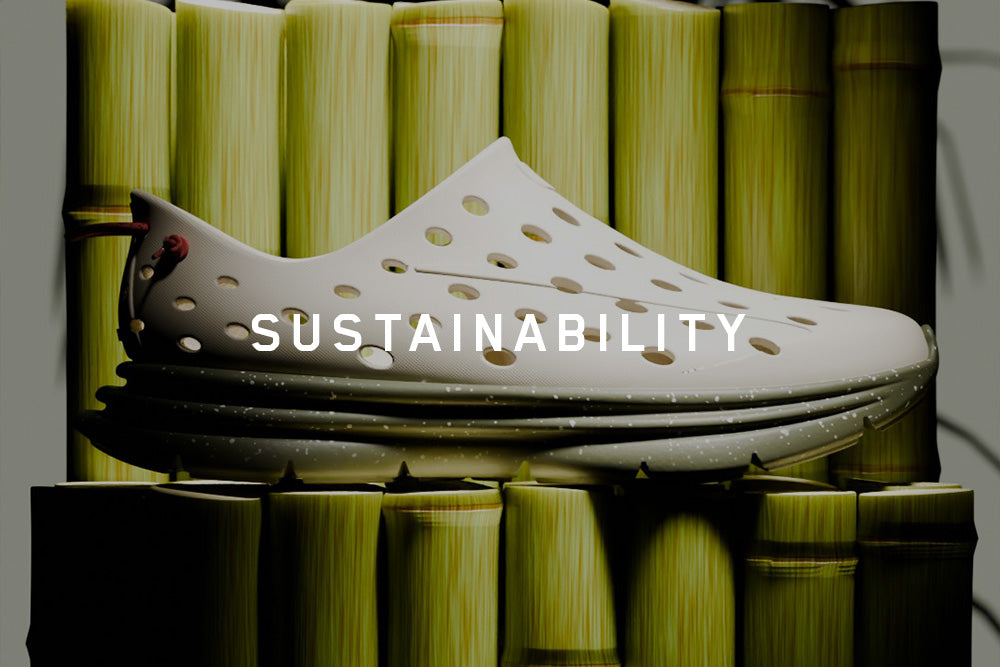
KANE recovery shoes use RestoreFoam™ made from Brazilian sugarcane, a regenerative material that draws down CO2 and reduces carbon emissions. The dual-density construction delivers the perfect balance: enough cushioning for comfort without sacrificing the support your feet need to recover properly.
"Within the shoe, we’ve got nodes. These little nodes are going to increase local microvasculature. They're going to act as little massage nodules. It's going to make the skin and the tissue feel pretty good. It's going to also facilitate some of the recovery processes."
— Dr. Daniel Geller, Podiatrist and Foot and Ankle Surgeon
When and how to wear KANE Revive
Maximize your recovery by wearing KANE throughout your off-shift hours:
- After work: Slip them on immediately after removing work shoes to begin the recovery process
- Morning routines: Wear during pre-shift stretching and mobility work
- Commutes: On drives or public transit to and from work
- At home: During meal prep, household tasks, or relaxing
- Active recovery days: During walks, light gym sessions, or yoga
- Travel: On flights or long car rides when feet tend to swell
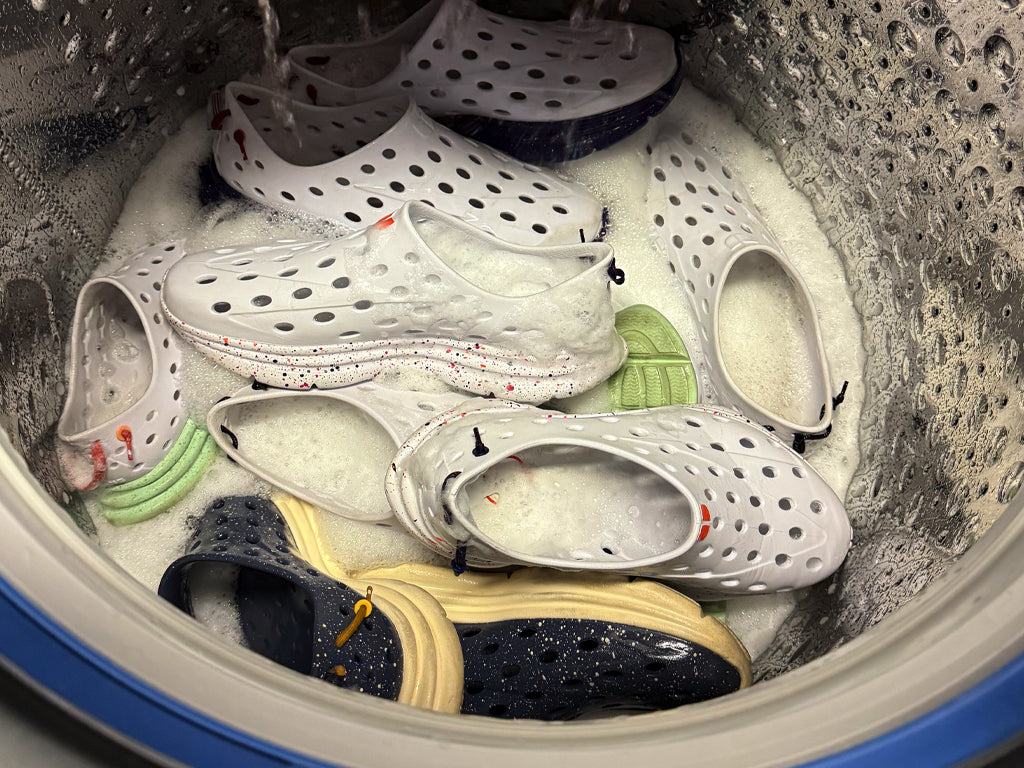
The water-friendly design means you can wear them anywhere—from the gym shower to outdoor activities—without worry.
Beyond footwear: Additional strategies for all-day comfort
Well-made footwear is just one piece of the comfort puzzle for people who stand extensively. A comprehensive approach to foot health includes multiple strategies working together.
- Compression socks improve circulation and reduce swelling. They work synergistically with good shoes to enhance overall comfort during long hours on your feet.
- Anti-fatigue mats provide additional cushioning in stationary positions. While not always available in every work environment, they can significantly reduce leg and foot strain when combined with supportive footwear.
- Regular foot exercises and stretches help maintain flexibility and strength. Perform simple calf raises and toe stretches throughout the day to improve circulation and reduce stiffness. You might also try a quick foot roll with a tennis or massage ball for micro-relief during breaks.
Investing in your foot health pays dividends
Quality shoes for standing represent an investment in your long-term health. The difference becomes magnified over thousands of hours.
Your feet are the foundation of your entire body. When they're properly supported and comfortable, everything functions better. You'll have more energy after long hours, experience less pain, and maintain better overall health.
Good standing shoes alone aren't enough. Pairing quality work footwear with dedicated recovery shoes creates a complete system. Whichever shoes you choose, using structured recovery footwear after your shift is one of the simplest ways to maintain long-term foot health. Don't compromise on footwear quality when your livelihood depends on being on your feet.
Frequently asked questions
What shoes are good for standing on your feet all day?
Choose shoes with thick cushioning, strong arch support, and a roomy toe box. Opt for breathable materials and a stable, slip-resistant sole if your work environment requires it. Ensure a secure fit that allows for natural swelling. Pairing quality standing shoes with structured recovery footwear, like the KANE Revive, can further reduce fatigue.
What do podiatrists recommend for flat feet?
Podiatrists typically recommend shoes with structured arch support, motion control features, and dual-density midsoles for flat feet. They emphasize fit over brand names, suggesting shoes designed with firmer inner midsoles to prevent overpronation. Many recommend avoiding high heels for extended workdays and choosing shoes with strong arch support for better natural alignment. Recovery footwear with active arch support helps feet recover properly between shifts.

What should I wear for a 12-hour shift?
For extended shifts, prioritize maximum shock absorption and ample cushioning without sacrificing support. Look for shoes with lightweight materials to reduce fatigue and excellent breathability to keep feet cool. Consider shoes with removable insoles for custom orthotics if needed. Work shoes specifically designed for healthcare or industrial environments often provide the durability and shoe support features needed for marathon shifts. Pair with recovery footwear after shifts to fight fatigue and reduce injury risk.
What else should I wear when standing all day?
Beyond quality footwear, wear compression socks to improve circulation and reduce swelling. Choose breathable, moisture-wicking socks to keep feet dry. Consider supportive shoes with adequate arch support if your current shoes don't provide enough. Avoid tight clothing that restricts circulation. If possible, use anti-fatigue mats in stationary positions for additional cushioning. Incorporate recovery footwear into your post-shift routine to help your feet repair and rebuild for the next day.
No content on this site should ever be used as a substitute for direct medical advice from your doctor or other qualified clinicians.