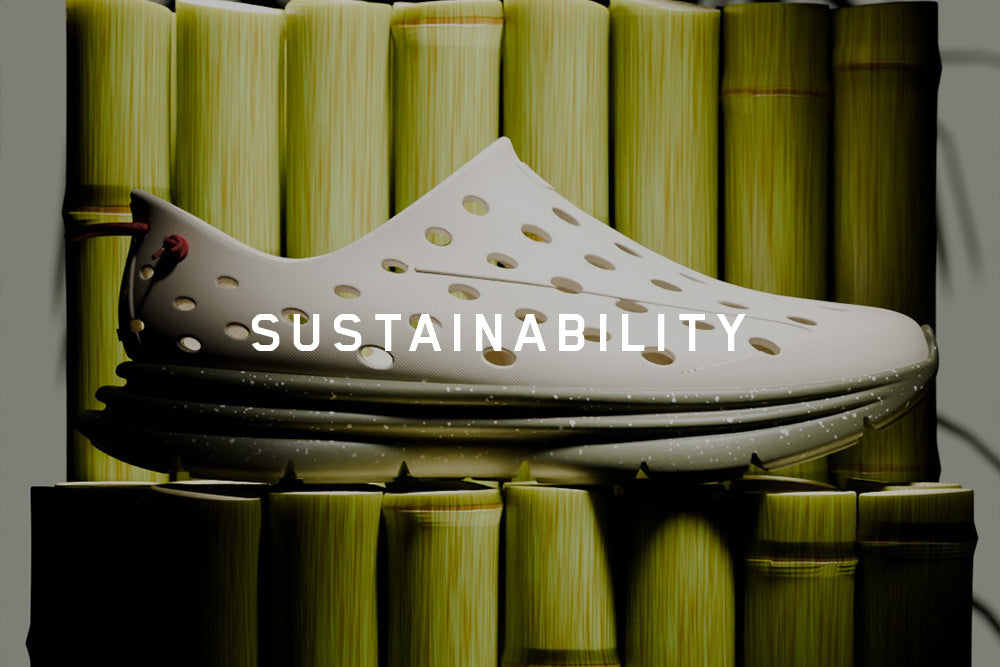
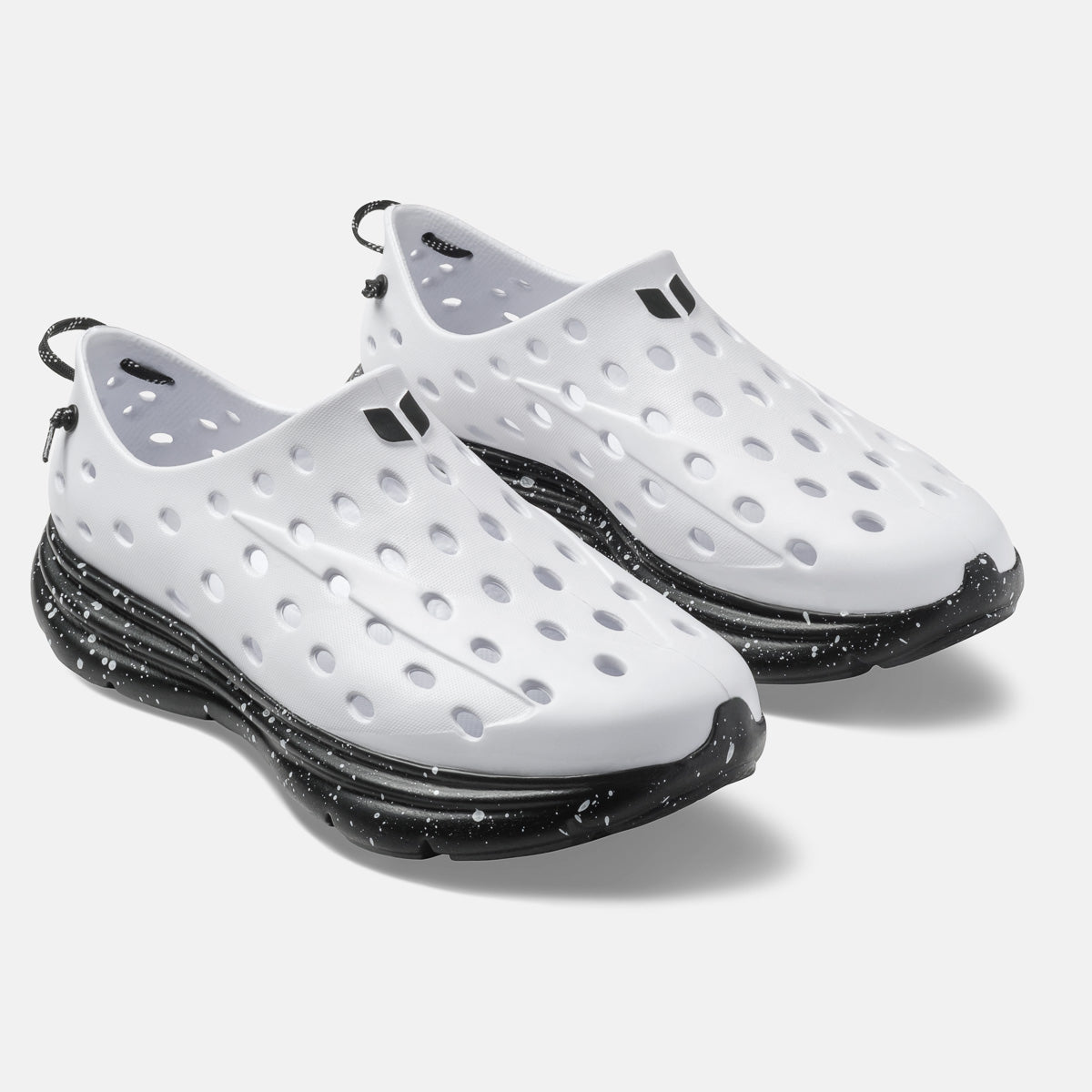
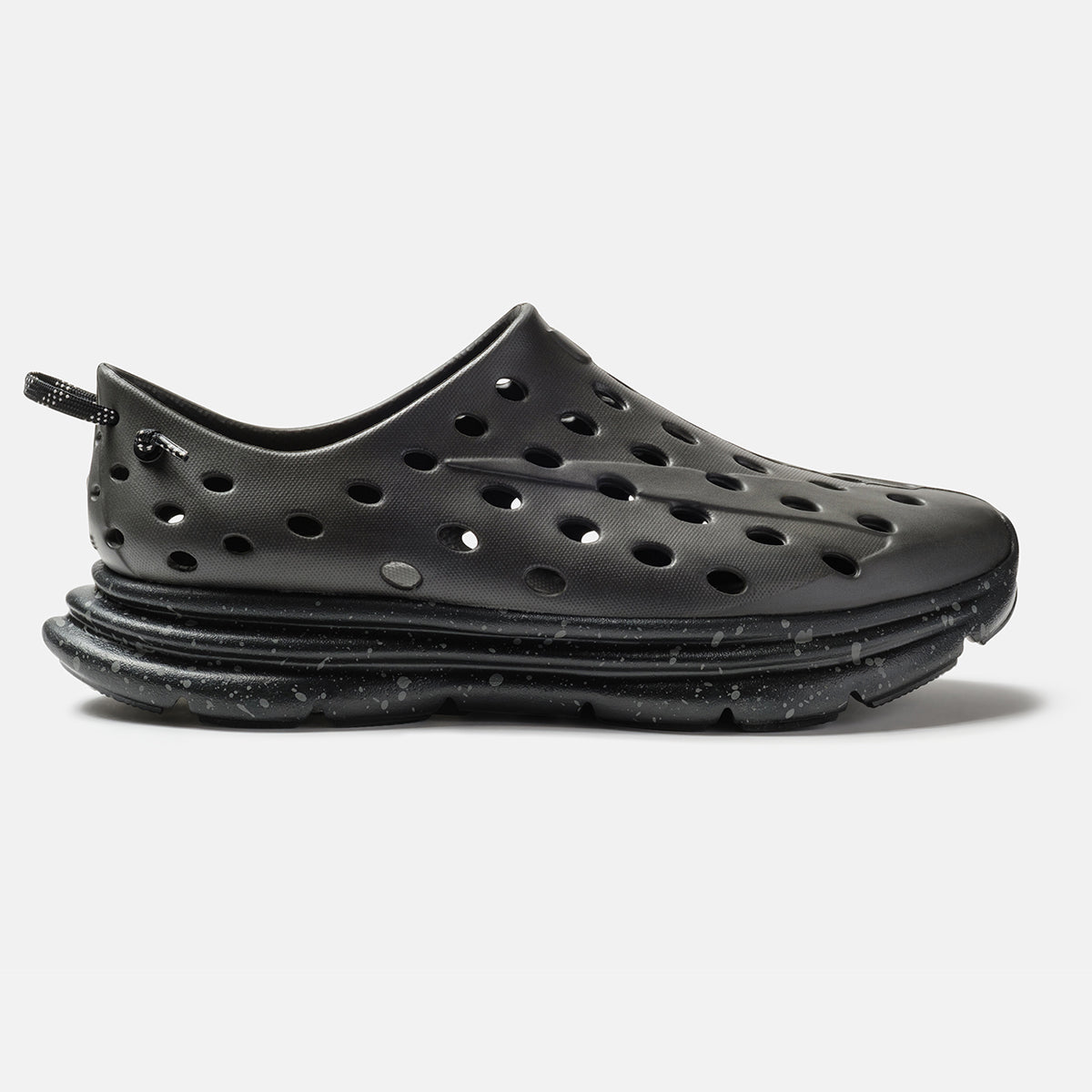
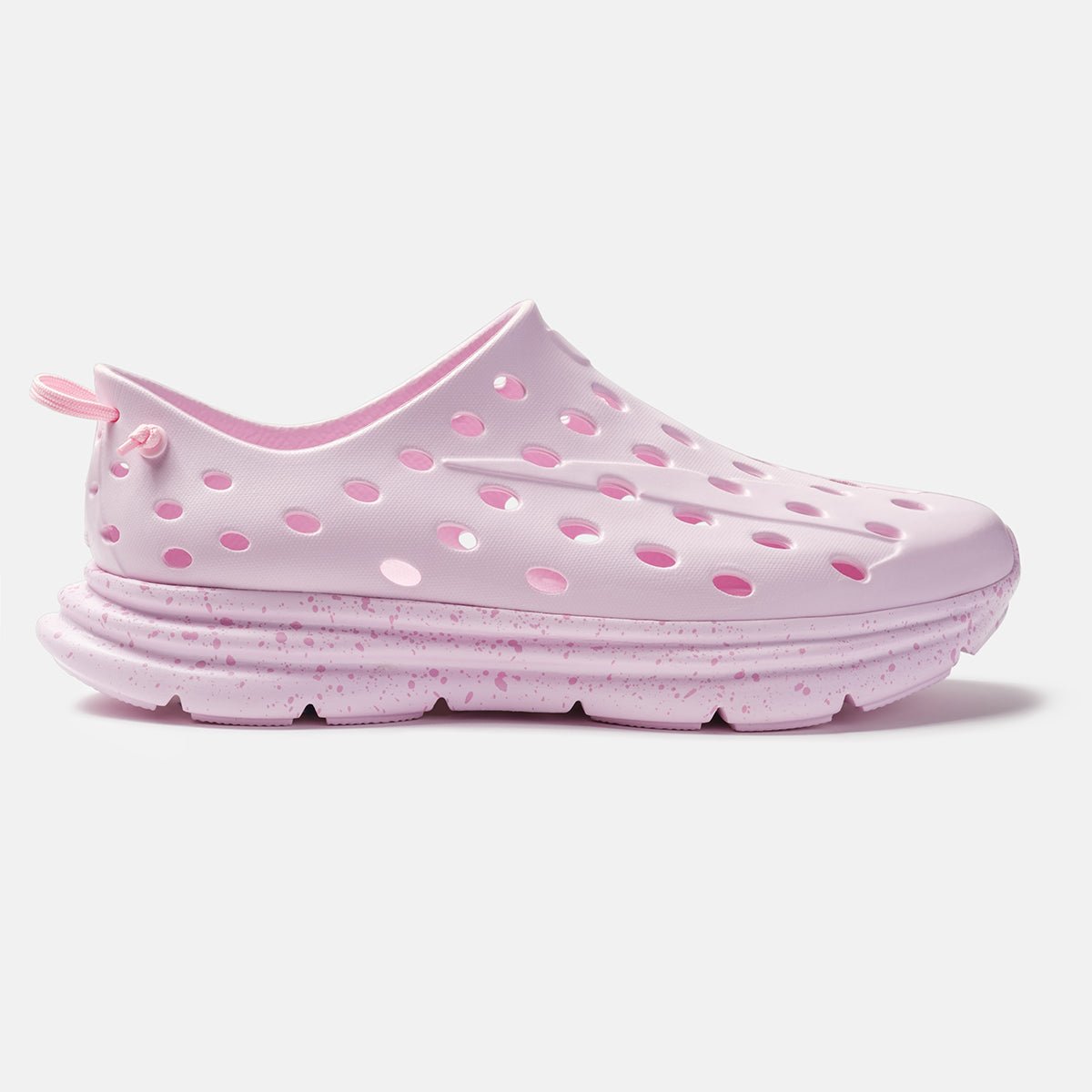
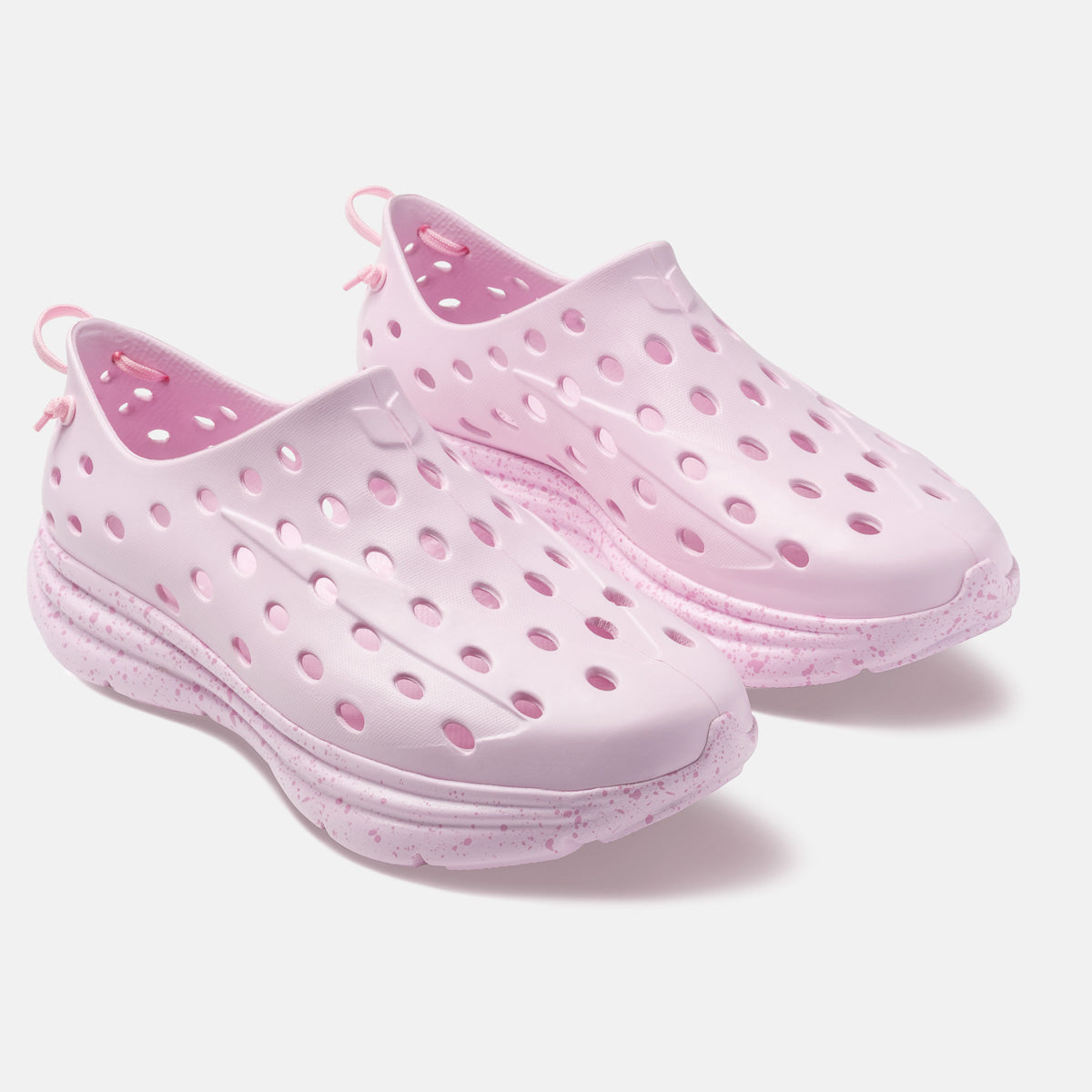
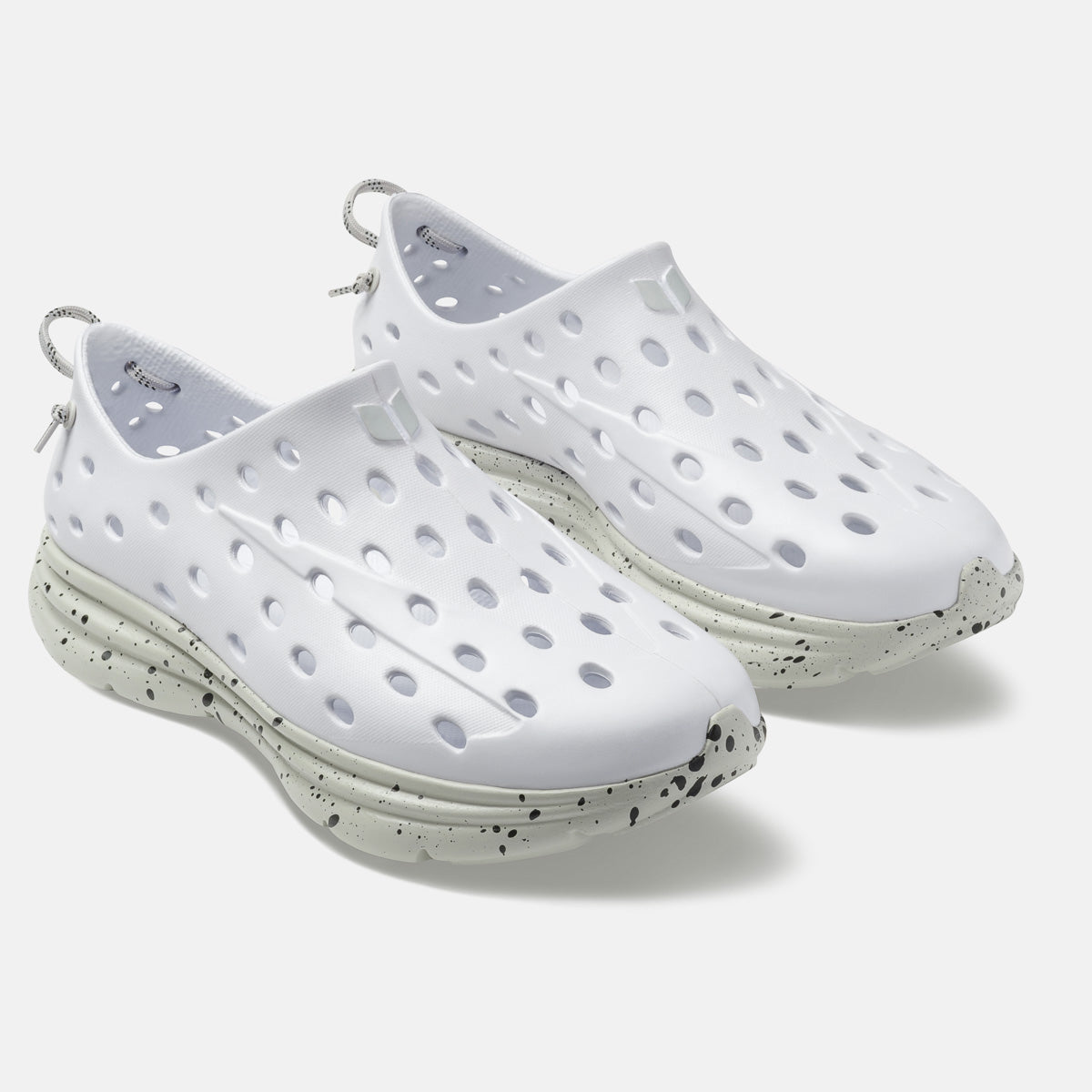
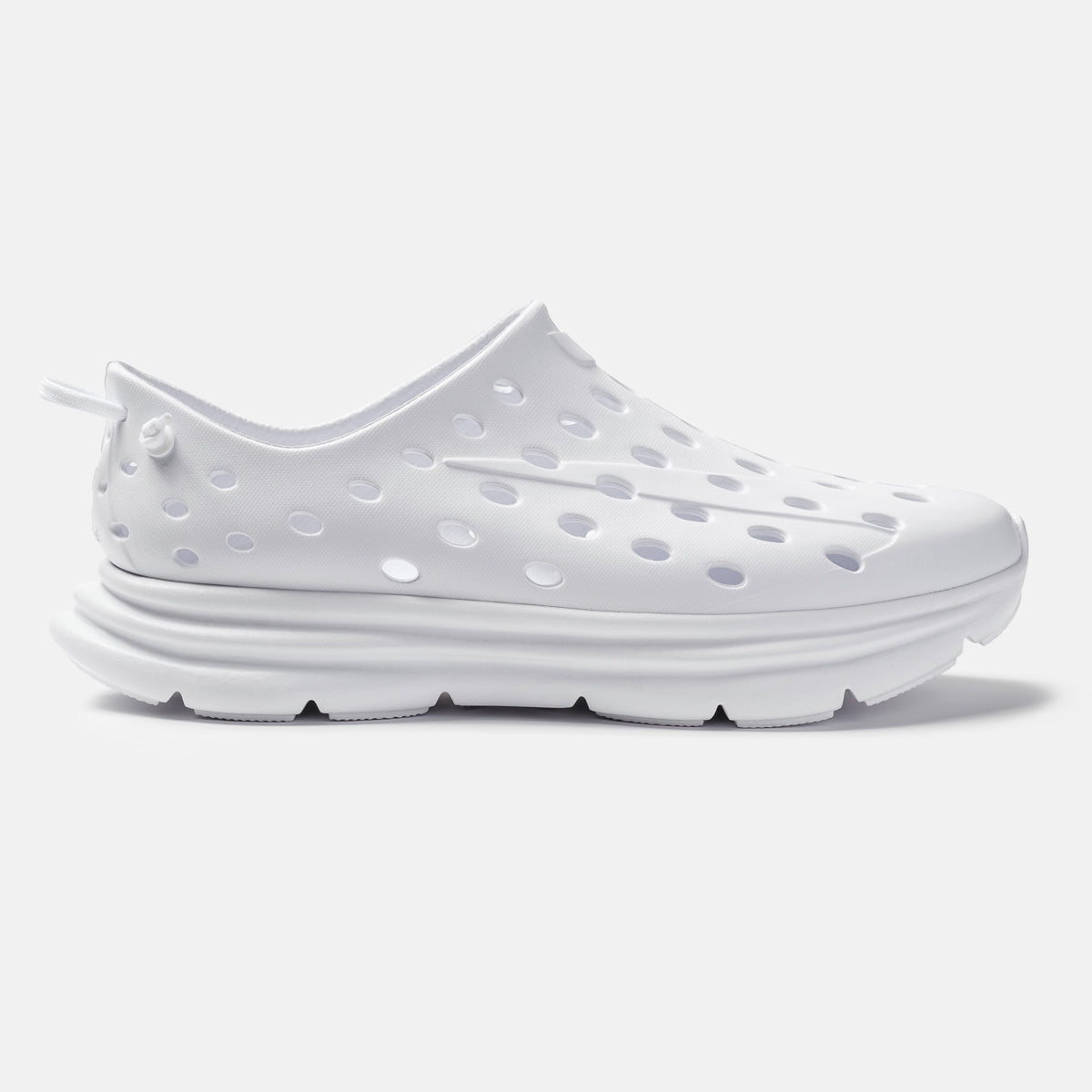
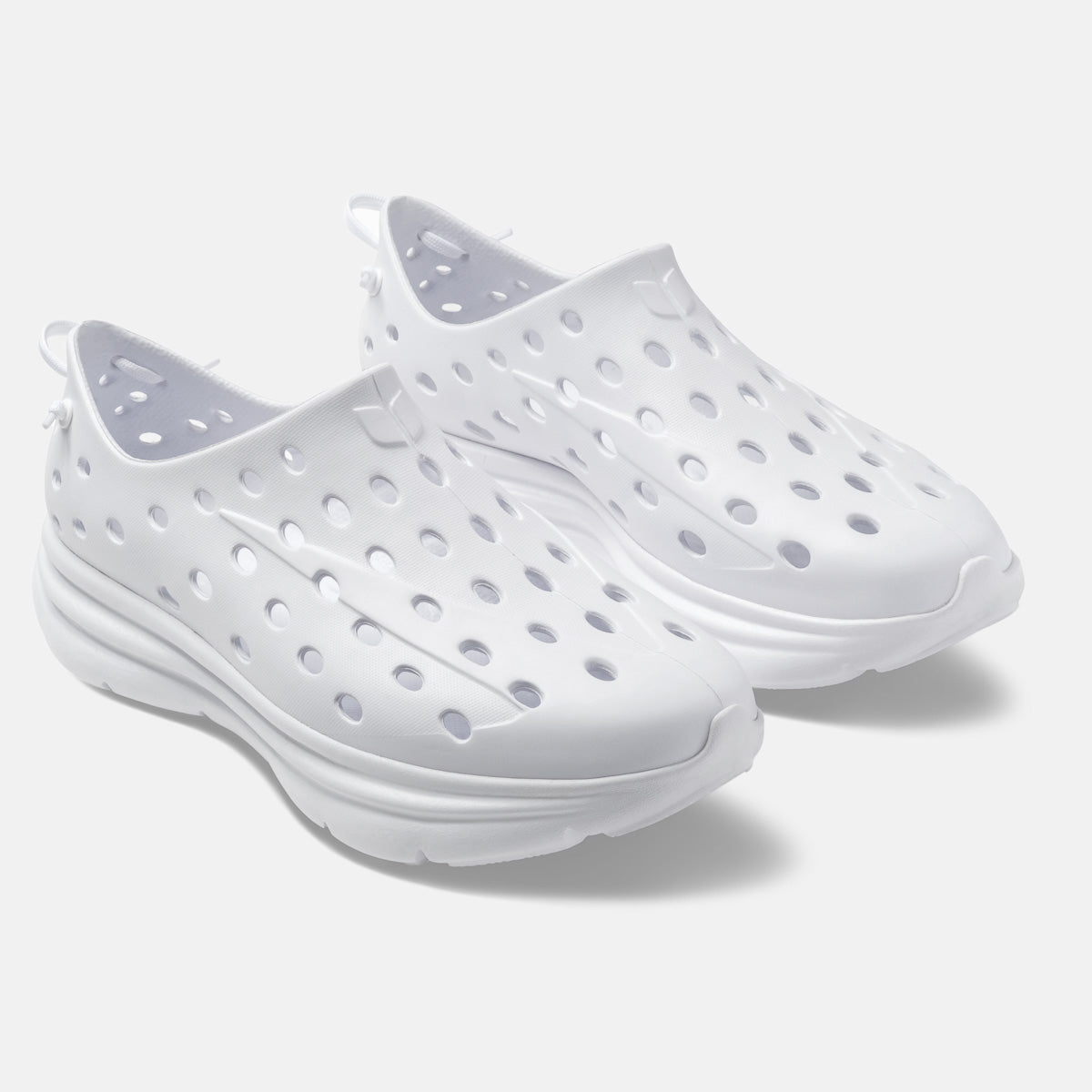
After surgery, the shoes you reach for matter more than most people might expect. The wrong pair can increase swelling, irritate the surgical site, disrupt your gait, and set your recovery back. The right pair does the opposite—protecting the foot, supporting circulation, and making those first steps toward normal life less painful. Footwear needs also change as recovery progresses. What works in the first days is different from what you need at week four or week eight. Key takeaways The most comfortable shoes to wear after surgery typically combine a wide toe box, adjustable strap, and shock-absorbing support to accommodate swollen feet—though your surgeon's guidance always takes priority. The right shoes depend on your surgery type, your stage of recovery, and your healthcare provider's specific instructions. Once you clear the acute phase, purpose-built recovery shoes can bridge the gap between medical footwear and getting back to normal life. Why your footwear choice matters more than you might think The wrong shoes after surgery can alter your gait, constrict swollen feet, restrict circulation, and slow the healing process. The right shoes protect the surgical site, reduce pressure on sensitive areas, and encourage a more natural walking pattern from day one. Two categories matter here. Post-operative shoes are medical-grade devices—prescribed or provided by your surgical team—worn in the first days to weeks after surgery. Recovery shoes come later, supporting circulation, reducing fatigue, and easing the transition back to everyday wear. What to look for in a comfortable shoe after surgery Not all supportive shoes are the same, and the features that matter most post-op are specific. Here's what to look for when shopping for recovery shoes: Adjustable strap: A hook-and-loop adjustable strap is easier to manage with limited mobility than laces, and lets you fine-tune the fit as swollen feet fluctuate throughout the day. Wide toe box: A wide toe box accommodates dressings, bandages, and post-surgical swelling without putting pressure on the toes. Removable insoles: Removable insoles create room for custom orthotics or prescribed inserts if your provider recommends them. Low, stable heel: A flat or low heel reduces ankle torque and improves balance during walking. Shock-absorbing midsole: EVA foam is the most common material—it supports each step and reduces pressure on sensitive areas. Some procedures, such as fusions or tendon repairs, require controlled rigidity rather than a soft sole; follow your surgeon's guidance. Outsole with grip: Traction is critical when mobility is reduced, and fall risk is elevated. Breathable, soft upper: Breathability and softness minimize friction and irritation around the surgical area. Choosing the right shoes for each recovery stage What you wear matters, but so does when you wear it. Here's how to match your footwear to each stage of recovery. Post-operative surgical shoes for immediate recovery Post-operative surgical shoes feature a rigid sole and open-toe design that limits movement and protects the foot immediately after surgery. The rocker bottom—a stiff, curved sole that limits bending at the toe joint—reduces motion at the surgical site and can lessen pain during those first steps. These are usually provided or prescribed by your surgical team. Don't substitute them for something that looks more comfortable. Orthopedic and wide-fit shoes for early recovery Orthopedic and wide-fit shoes offer excellent support, extra depth for orthotics, and adjustable closures that accommodate wide feet or persistent swelling. Some models include hands-free slip-on technology—helpful for limited mobility after knee, ankle, or hip procedures. Good heel support here also protects the Achilles tendon as the load increases. Closed-toe athletic shoes and walking shoes for mid recovery Closed-toe athletic shoes with supportive EVA foam midsoles and rocker geometry protect the surgical area while providing arch support for longer periods on your feet. Look for an adjustable strap or elastic closure over traditional laces. Slip-on shoes can work here, but only with enough structure to support the foot through a full range of motion. A flat, unsupported slip-on is not equivalent. Recovery shoes that bridge the gap back to everyday wear Purpose-built recovery shoes offer active arch support, heel capture, and materials gentle enough for sensitive post-surgical skin. They're designed to support foot health after the acute phase has passed. Discover KANE recovery shoes Once cleared for normal weight-bearing activity, the goal shifts from protection to active recovery. That's exactly the transition KANE was built for. KANE recovery shoes were developed with Dr. Daniel Geller, DPM, a foot and ankle surgeon specializing in sports injuries, who integrated orthopedic recovery principles directly into the design. As Dr. Geller explains: "The KANE Revive has a proprietary blend of EVA known as RestoreFoam. It's a dual-density, which means it's got cushioning and it's got support. It's going to stabilize your foot. It's going to create amazing foot capture with every step you take." The KANE Revive features an adjustable hook-and-loop strap, a TPR footbed with raised nodes that stimulate key pressure points, and dual-density RestoreFoam™ made from Brazilian sugarcane that provides a balance of support and cushion, active arch support, and airflow around sensitive post-surgical skin. Note that a textured footbed may not suit everyone—those with neuropathy, very sensitive skin, or incisions near contact areas may prefer a smooth insole, at least early on. Confirm with your provider. Surgery-specific footwear considerations Bunion surgery demands a wide toe box, so avoid any tapered shape that puts pressure on the big toe joint. Plantar fasciitis surgery requires firm arch support and solid heel support. Flat shoes can strain both the repair site and the Achilles tendon. Ankle surgery calls for a firm midsole (the layer between the insole and outsole that resists compression) and a low profile to reduce rotational stress during walking. Knee or hip replacement patients should look for shoes with easy entry, soles with grip, and shock absorption to protect the joint. For significant swelling or lymphedema, look for shoes designed with expandable panels. If persistent foot problems are making it hard to find shoes that work, a podiatrist can help. Flip flops and other shoes to avoid during recovery Flip flops and flat sandals without structure offer no stability, no heel support, and no protection for the surgical site. Skip them unless your doctor has specifically cleared open footwear. Other shoes to avoid: high heels, worn-out shoes, barefoot or minimalist styles, and shoes with a rigid upper. Putting it all together Follow your surgeon's wound care instructions, let pain guide your activity level, and try new shoes on in the afternoon. Swelling is most pronounced later in the day, so an afternoon fit is a more reliable guide. If you can walk comfortably indoors for several days without increased swelling or pain, recovery shoes can carry you the rest of the way. Frequently asked questions How long do I need to wear post-op shoes after foot surgery? Two to six weeks is a general estimate—not a target. Timelines vary based on surgery type, age, overall health, and how closely post-op protocols are followed. Some patients remain in post-op shoes considerably longer. Transitioning too early is one of the most common causes of setbacks. Can I wear slip-on shoes after foot surgery? In many cases, yes—once you're past the immediate post-operative stage and cleared for weight-bearing activity. Look for a wide toe box, a structured sole, and a balance of support and cushion. Avoid completely flat styles, which offer little protection. Are recovery shoes the same as post-op shoes? No. Post-operative shoes are medical devices that protect and immobilize the foot in the first weeks. Recovery shoes support the later stages—reducing fatigue, easing the return to everyday wear. What are the best shoes for reducing swelling after surgery? Shoes with adjustable straps, a wide toe box, and a breathable upper. Avoid lace-up shoes with rigid eyelets, which create fixed pressure points. Removable insoles add interior volume on high-swelling days. When is it safe to return to regular shoes after surgery? Six to twelve weeks is a rough benchmark, depending on the type of surgery and the progress of recovery. Once your wound has closed and your provider has cleared you for normal activity, starting with recovery shoes can ease the transition back to regular wear. No content on this site should ever be used as a substitute for direct medical advice from your doctor or other qualified clinicians.